


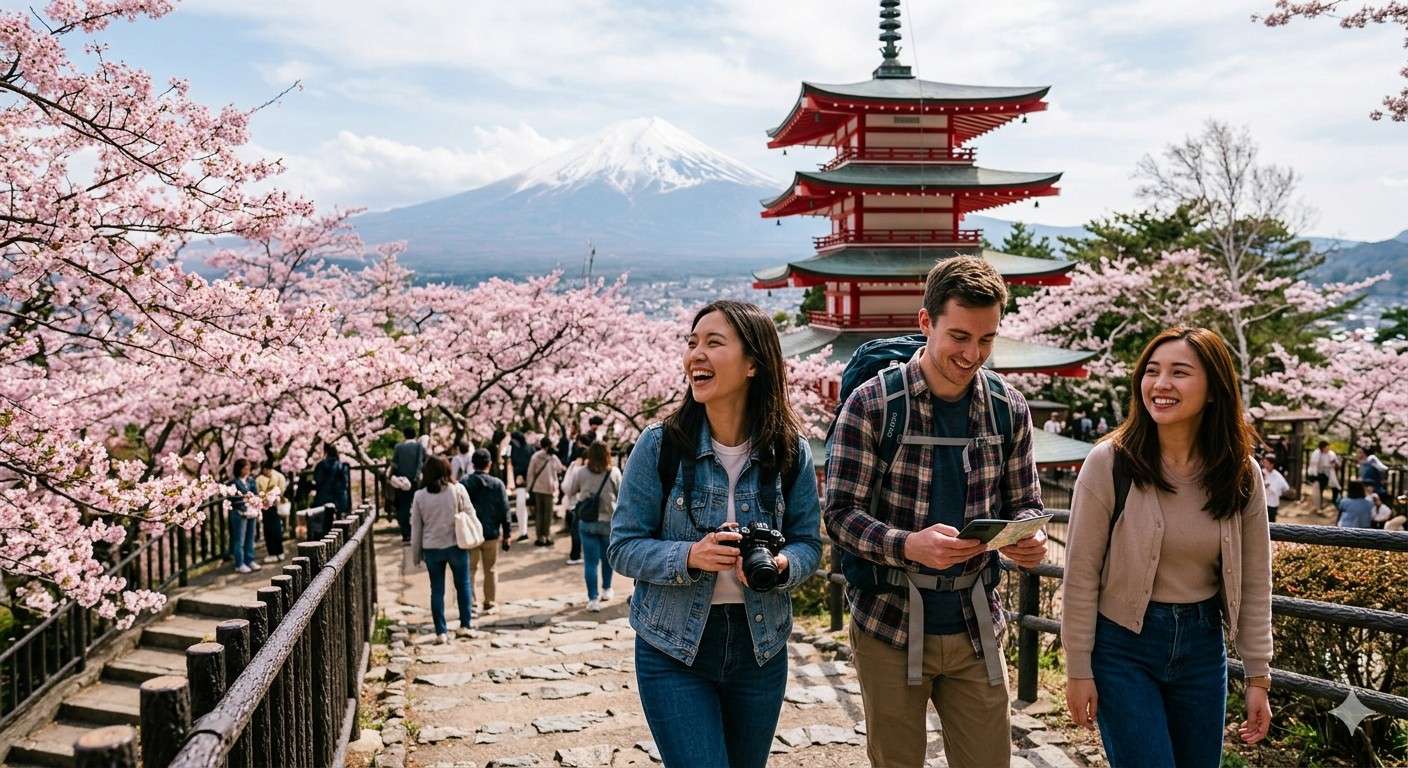
Choosing the best time to visit Japan can completely change your travel experience. From pink cherry blossoms in spring to fiery autumn leaves and peaceful snowy temples in winter, Japan transforms dramatically throughout the year. But here’s the challenge: each season comes with different crowds, prices, weather conditions, and cultural events.
Many travelers struggle with timing their trip. Go too early, and you might miss cherry blossoms. Go in peak season, and you’ll face high hotel prices and packed attractions. That’s why understanding the best time to visit Japan is essential for planning a smooth and memorable journey.
In this guide, you’ll learn exactly when to go based on weather, budget, festivals, and regional differences—so you can choose the perfect travel window for your goals.
Quick Answer: Best Time to Visit Japan
The best time to visit Japan is spring (March to May) and autumn (September to November). Spring offers iconic cherry blossoms and mild weather, while autumn brings stunning fall foliage and comfortable temperatures. These seasons are ideal for sightseeing, photography, and cultural experiences across most regions of Japan.
Seasonal Overview of Japan’s Climate
Japan has four distinct seasons, each offering a unique travel experience. Understanding them helps you decide the best time to visit Japan based on your preferences.
Spring (March – May)
Spring is Japan’s most famous travel season.
- Temperatures: 10°C – 20°C
- Highlight: Cherry blossoms (sakura)
- Crowds: Very high
What makes spring special:
- Sakura season in Tokyo, Kyoto, and Osaka
- Hanami (flower viewing) festivals
- Fresh greenery and mild weather
Downside:
- Expensive hotels
- Crowded tourist spots
Summer (June – August)
Summer is vibrant but hot and humid.
- Temperatures: 25°C – 35°C
- Highlight: Festivals & fireworks
- Crowds: Medium to high
What to expect:
- Matsuri (traditional festivals)
- Fireworks displays across cities
- Okinawa beach season
Downside:
- High humidity
- Rainy season (June–July)
Autumn (September – November)
Autumn is widely considered the second-best time to visit Japan.
- Temperatures: 15°C – 25°C
- Highlight: Autumn foliage (koyo)
- Crowds: High but manageable
Why travelers love autumn:
- Red and orange maple leaves
- Comfortable sightseeing weather
- Seasonal foods like chestnuts and mushrooms
Winter (December – February)
Winter is quiet, peaceful, and budget-friendly.
- Temperatures: -5°C – 10°C
- Highlight: Snow landscapes & hot springs
- Crowds: Low
Best experiences:
- Skiing in Hokkaido and Nagano
- Onsen (hot springs)
- Illuminated winter festivals
Downside:
- Cold weather in northern regions
Best Time to Visit Japan (Detailed Breakdown)
When planning the best time to visit Japan, most travelers prioritize two peak seasons: spring and autumn. However, the “best” time depends on what you want to experience.
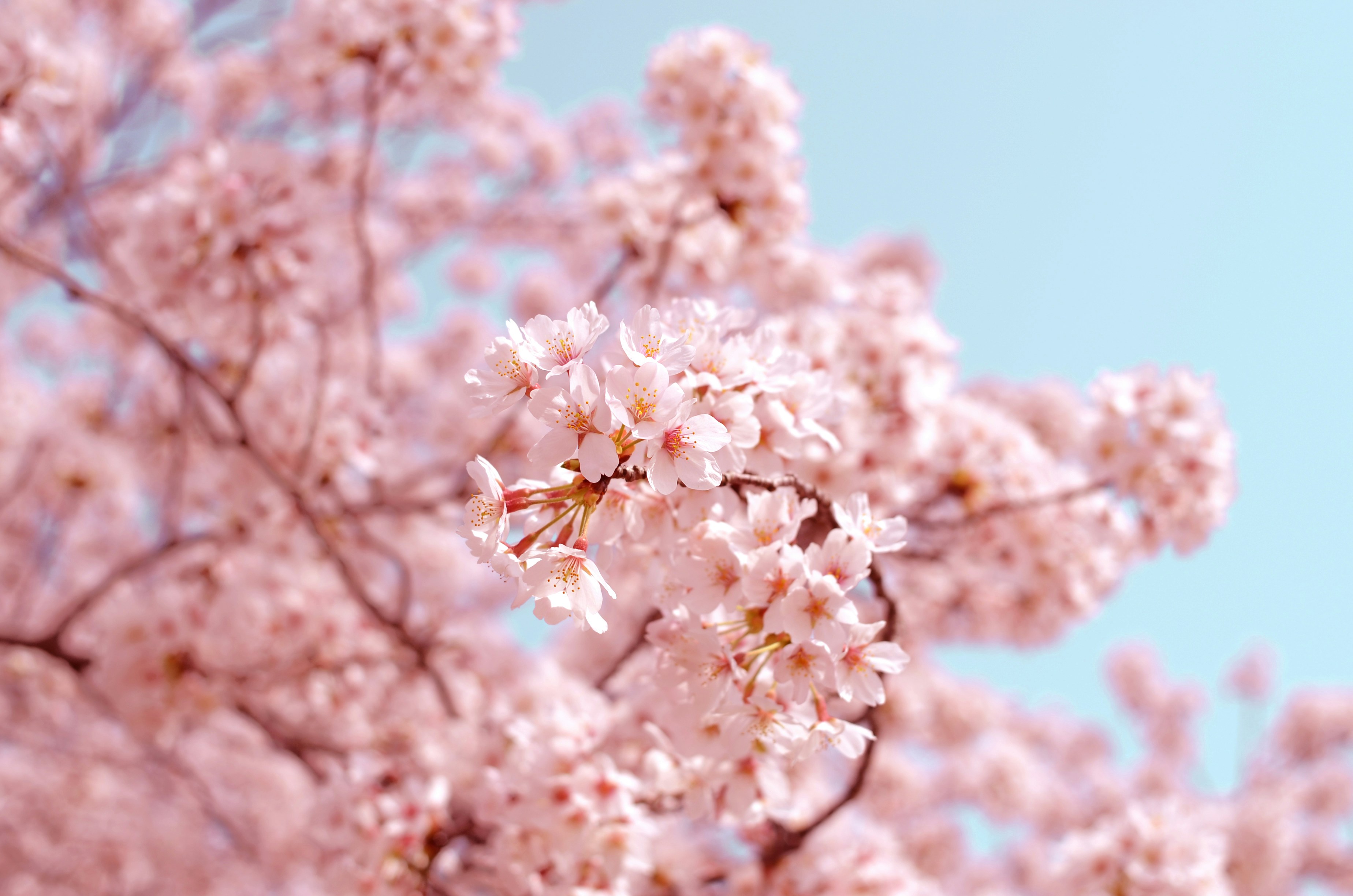
Best Time for Cherry Blossoms
Cherry blossom season typically runs from late March to early April in major cities like Tokyo, Kyoto, and Osaka.
Why it matters:
- One of Japan’s most iconic natural events
- Perfect photography opportunities
- Cultural festivals and picnics under sakura trees
However, timing is short and weather-dependent, so flexibility is key.
Best Time for Autumn Leaves
Autumn foliage peaks between mid-November and early December.
Highlights:
- Kyoto temples surrounded by red maple leaves
- Scenic mountain hikes
- Less intense crowds than spring
For many travelers, autumn is equally the best time to visit Japan due to its balance of beauty and comfort.
Regional Differences in Japan’s Travel Seasons
Japan’s climate varies significantly by region, which impacts the best time to visit Japan depending on where you go.
Tokyo & Central Japan
- Best: March–May, October–November
- Mild weather and full seasonal events
Kyoto & Osaka
- Best: April and November
- Ideal for temples, gardens, and cultural tours
Hokkaido (North Japan)
- Best: June–September (summer) or December–February (winter sports)
- Famous for skiing and lavender fields
Okinawa (South Japan)
- Best: April–June, September–October
- Tropical beaches and warm water year-round
Budget vs Crowds: When Should You Go?
If your goal is to save money, the best time to visit Japan changes significantly.
| Season | Cost Level | Crowds |
|---|---|---|
| Spring | High | Very High |
| Summer | Medium | High |
| Autumn | High | High |
| Winter | Low | Low |
Budget Travel Tip:
- January and February offer the cheapest hotel rates
- Avoid Golden Week (late April–early May)
- Book flights 2–4 months in advance
Festivals and Events That Influence Travel Timing
Japan’s cultural calendar plays a big role in deciding the best time to visit Japan.
Key events:
- Sakura Matsuri (March–April) – Cherry blossom festivals
- Gion Matsuri (July, Kyoto) – One of Japan’s biggest festivals
- Obon Festival (August) – Traditional family celebrations
- New Year (January 1–3) – Major cultural holiday
These events offer unique experiences but also attract large crowds.
Travel Tips for Choosing the Best Time to Visit Japan
- Book accommodations early during peak seasons
- Use JR Pass for efficient travel between cities
- Check the regional weather before planning
- Avoid typhoon season (late August–September in southern Japan)
- Stay flexible with travel dates for cherry blossom timing
Common Mistakes Travelers Make
Many visitors misjudge the best time to visit Japan and end up disappointed.
Avoid these mistakes:
- Planning cherry blossom trips without flexibility
- Ignoring regional climate differences
- Underestimating humidity in summer
- Booking too late during peak seasons
Future Travel Trends in Japan
Japan’s tourism landscape is evolving:
- Increased off-season travel promotions
- Smart tourism apps for crowd prediction
- Sustainable tourism in rural areas
- Rising interest in winter travel experiences
These trends may shift how travelers define the best time to visit Japan in the future.
FAQs: Best Time to Visit Japan
1. What is the absolute best month to visit Japan?
April and November are widely considered the best months due to cherry blossoms and autumn leaves.
2. Is Japan expensive during cherry blossom season?
Yes, prices peak during March–April due to high demand.
3. What is the cheapest time to visit Japan?
January and February are the most budget-friendly months.
4. When is the rainy season in Japan?
Typically June to mid-July.
5. Is winter a good time to visit Japan?
Yes, especially for skiing, hot springs, and fewer crowds.
6. What is typhoon season in Japan?
Late August through September in southern regions.
7. How long does the cherry blossom season last?
Around 1–2 weeks per region, depending on the weather.
8. Which season is best for first-time visitors?
Spring and autumn are best for first-time travelers.
Conclusion
The best time to visit Japan ultimately depends on your travel goals. Spring and autumn stand out for their beauty, weather, and cultural experiences, while summer and winter offer unique adventures at different price points.
If you want iconic scenery, choose the cherry blossom season. If you prefer comfort and fewer crowds, autumn is ideal. Budget travelers will find winter most affordable.
Plan wisely, match your travel style, and Japan will reward you with unforgettable experiences no matter when you go.
