


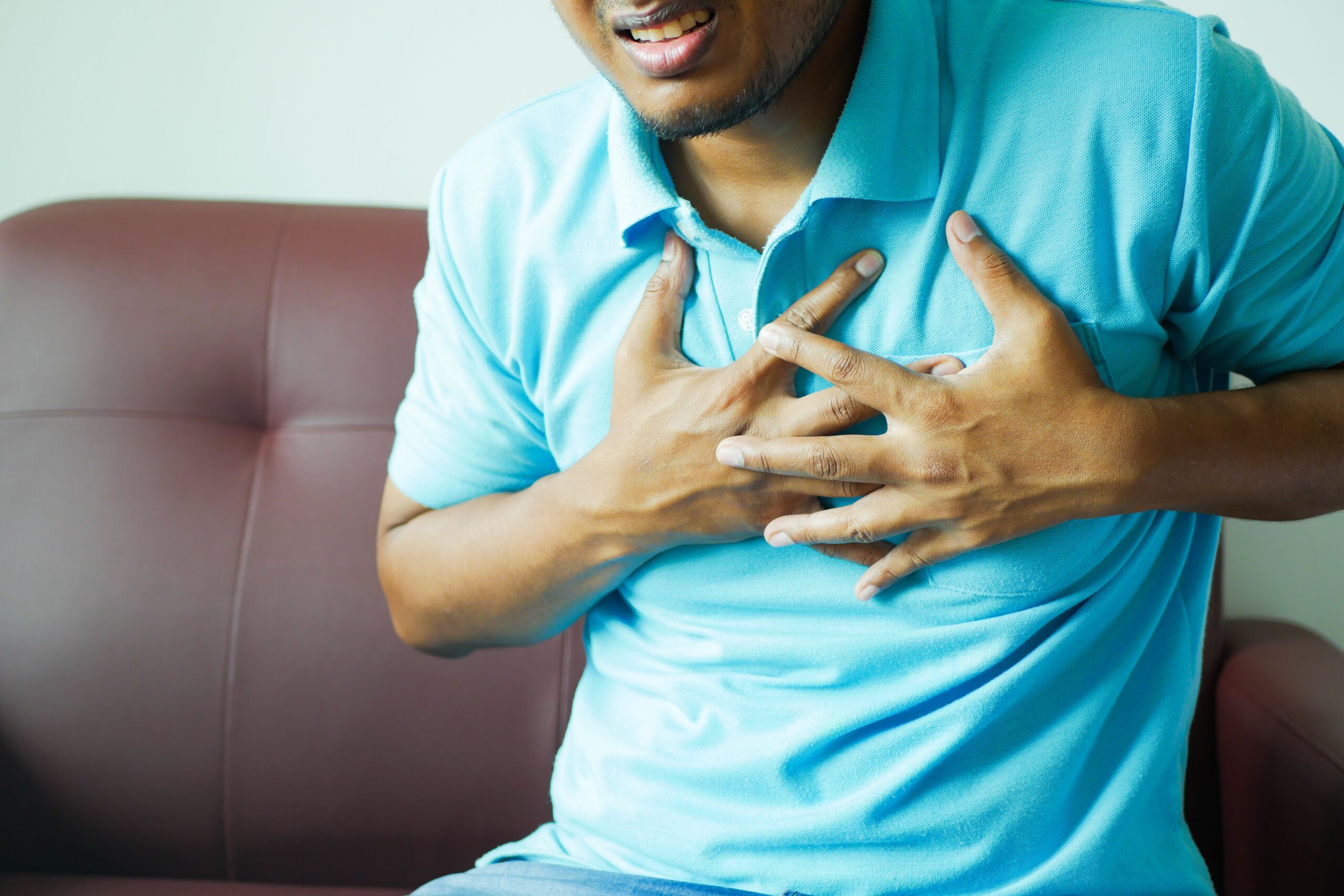
Imagine sitting at your desk when suddenly, a sharp pain grips your chest. Your heart starts racing, your palms sweat, and a wave of intense fear washes over you. In that moment, a terrifying question flashes through your mind: Am I having a heart attack, or is this just a panic attack?
Because the symptoms of a heart attack and a panic attack overlap significantly, thousands of people rush to the emergency room every year, confusing one for the other. While one is a psychological response to extreme stress, the other is a life-threatening medical emergency.
Knowing how to differentiate between heart attack vs panic attack symptoms can quite literally save your life. In this comprehensive guide, we will break down the signs, triggers, and key differences so you can act quickly and confidently.
What is a Heart Attack?
A myocardial infarction (commonly known as a heart attack) occurs when the blood flow to a part of the heart muscle becomes severely blocked. This is usually caused by a buildup of plaque in the coronary arteries. Without oxygen-rich blood, the heart muscle begins to suffer damage.
Critical Note: A heart attack is a medical emergency. Every minute counts. The longer the blood flow is blocked, the greater the damage to the heart muscle.
What is a Panic Attack?
A panic attack is a sudden, intense episode of fear or anxiety that triggers severe physical reactions, even when there is no real danger or apparent cause. It activates the body’s “fight-or-flight” response, releasing a surge of adrenaline that mimics the physical sensations of a physical illness.
Comparing the Symptoms: Head-to-Head
To understand the difference, let’s look at how the symptoms present themselves in both conditions.
1. The Nature of Chest Pain
-
During a heart attack, the pain is usually described as a crushing pressure, squeezing, fullness, or heaviness in the center of the chest. It often feels like “an elephant is sitting on my chest.” This pain frequently radiates outward to the left arm, jaw, neck, back, or stomach.
-
During a Panic Attack: The pain is typically sharp, stabbing, or localized to a specific spot. It stays confined to the chest area and rarely spreads to other parts of the body.
2. Onset and Triggers
-
Heart Attack: It often occurs during or after physical exertion (like climbing stairs or shoveling snow) or emotional stress. However, it can also happen at rest. The pain builds up gradually over several minutes and gets progressively worse.
-
Panic Attack: It often strikes completely out of the blue, without any physical warning or obvious trigger. The symptoms peak quickly—usually within 10 minutes—and then begin to gradually subside.
3. Duration of the Episode
-
Heart Attack: The chest pain and discomfort do not go away. They may fluctuate slightly but generally persist or worsen over time, even if you rest or change positions.
-
Panic Attack: Most panic attacks last anywhere from 5 to 30 minutes. Once the peak passes, the body slowly returns to its normal state, though you may feel exhausted afterward.
Key Differences At a Glance
| Symptom / Feature | Heart Attack | Panic Attack |
| Pain Type | Crushing, squeezing pressure | Sharp, stabbing pain |
| Pain Radiation | Spreads to arm, jaw, neck, back | Stays localized in the chest |
| Onset | Develops gradually, often during exertion | Sudden, peaks within 10 minutes |
| Duration | Continuous and worsens | Usually resolves in 10 to 30 minutes |
| Breathing | Shortness of breath | Hyperventilation (rapid breathing) |
Atypical Symptoms: Women, Diabetics, and the Elderly
It is vital to note that not everyone experiences the classic “Hollywood” heart attack where someone clutches their chest and collapses.
Women, elderly individuals, and people with diabetes often experience atypical signs of a heart attack. These can include:
-
Unexplained, overwhelming fatigue
-
Sudden dizziness or lightheadedness
-
Nausea, vomiting, or severe indigestion
-
Shortness of breath without significant chest pain
If you belong to any of these high-risk groups and experience sudden, unexplained gastrointestinal distress or extreme fatigue, do not dismiss it as a panic attack or indigestion.
When to Call 911 or Seek Emergency Care
If you are in doubt, always err on the side of caution. It is much better to go to the hospital for a panic attack than to stay home during a heart attack.
You must seek immediate emergency medical attention if:
-
Your chest pain spreads to your arm, neck, or jaw.
-
The pain is accompanied by sudden sweating, nausea, or vomiting.
-
You feel a crushing pressure that does not go away after 5 minutes of rest.
-
You have a history of heart disease, high blood pressure, or high cholesterol.
Conclusion
Distinguishing between a heart attack and a panic attack can be difficult because both involve a racing heart and chest tightness. However, paying attention to the type of pain, whether it spreads, and how fast it reaches its peak can give you vital clues. Never take chances with your heart—when a life is on the line, quick medical intervention makes all the difference.
