


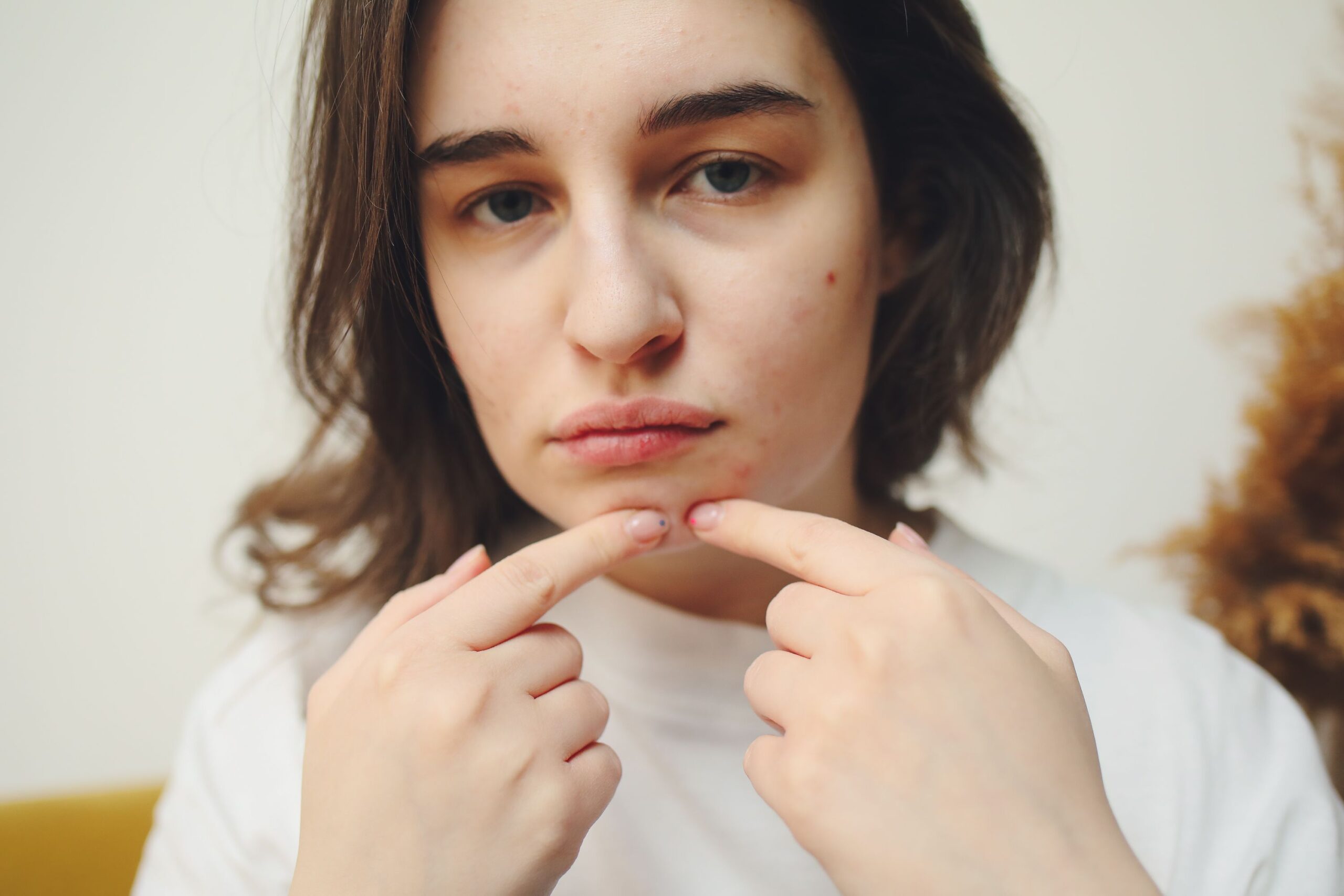
Acne is the most common skin condition in the world, affecting millions of teenagers and adults alike. Yet, despite how common it is, it remains one of the most misunderstood. Many people view acne as just “pimples” caused by dirty skin, leading them to scrub their faces aggressively, which only makes the problem worse.
In reality, acne is a complex medical condition influenced by genetics, hormones, and lifestyle choices. To effectively clear breakouts, you must first understand the specific type of acne you have and what is triggering it. Here is a comprehensive, dermatologist-backed guide to understanding and treating acne.
The Four Root Causes of Acne
Before looking at the types of acne, it helps to understand how a breakout forms in the first place. Every acne lesion begins in the hair follicle (pore) due to a combination of four main factors:
-
Excess Oil (Sebum) Production: Overactive sebaceous glands produce too much oil, often driven by hormonal fluctuations.
-
Clogged Pores: Dead skin cells don’t shed properly and mix with the excess oil, creating a plug inside the pore.
-
Bacteria Growth: An abundance of oil allows Cutibacterium acnes (C. acnes), a bacterium that naturally lives on the skin, to multiply rapidly.
-
Inflammation: As the bacteria multiply, your body’s immune system triggers inflammation, resulting in redness, swelling, and pus.
Non-Inflammatory vs. Inflammatory Acne Types
Acne is generally divided into two main categories: non-inflammatory (milder) and inflammatory (more severe).
                    ┌─────────────────────────┐
                    │       ACNE TYPES        │
                    └────────────┬────────────┘
                                 │
         ┌───────────────────────┴───────────────────────┐
         ▼                                               ▼
┌──────────────────┐                            ┌──────────────────┐
│ Non-Inflammatory │                            │   Inflammatory   │
└────────┬─────────┘                            └────────┬─────────┘
         ├─ Blackheads                                   ├─ Papules
         └─ Whiteheads                                   ├─ Pustules
                                                         ├─ Nodules
                                                         └─ Cysts
1. Non-Inflammatory Acne
-
Blackheads (Open Comedones): These occur when a pore is clogged by oil and dead skin cells, but the top of the pore remains open to the air. The exposure to oxygen turns the trapped debris black.
-
Whiteheads (Closed Comedones): These form when the pore is completely blocked and covered by a thin layer of skin, creating a small, flesh-colored or white bump.
2. Inflammatory Acne
-
Papules: Small, hard, red or pink bumps that feel tender to the touch. They occur when the pore wall breaks down from deep inflammation.
-
Pustules: Similar to papules, but they have a yellow or white center filled with pus.
-
Nodules: Large, hard, painful lumps lodged deep within the skin. They do not have a “head” and require medical treatment.
-
Cysts: The most severe form of acne. These are large, painful, fluid-filled lumps deep under the skin that carry a very high risk of permanent scarring.
What is Hormonal Acne?
Adult acne, particularly in women, is very often hormonal acne. It is driven by fluctuations in hormones like progesterone and testosterone.
-
How to identify it: Hormonal acne typically appears along the lower third of the face, specifically the jawline, chin, and lower cheeks. It often flares up predictably around a woman’s menstrual cycle, during pregnancy, or due to conditions like PCOS (Polycystic Ovary Syndrome).
Dermatologist-Approved Acne Treatments
Treating acne successfully requires matching the right ingredient to the right type of breakout.
Over-The-Counter (OTC) Active Ingredients
-
Salicylic Acid (BHA): This is an oil-soluble acid, meaning it can penetrate deep inside oily pores to dissolve the glue holding dead skin cells together. It is perfect for blackheads and whiteheads.
-
Benzoyl Peroxide: A powerful antibacterial agent that kills acne-causing bacteria and reduces inflammation. It works exceptionally well on papules and pustules.
-
Adapalene (Retinoid): Formerly available only by prescription, OTC adapalene gel regulates skin cell turnover to prevent pores from clogging in the first place.
Prescription Treatments for Severe Acne
If over-the-counter options fail to show results after 8 to 12 weeks, a visit to a dermatologist is necessary. They may prescribe:
-
Topical Retinoids (Tretinoin): Stronger than OTC options, these clear pores and reduce acne scars.
-
Oral Antibiotics: Used short-term to calm down severe, widespread inflammation.
-
Hormonal Solutions: Birth control pills or oral Spironolactone help regulate androgen hormones to clear jawline acne in women.
-
Isotretinoin (Accutane): A powerful oral medication reserved for severe, scarring cystic acne. It targets all four root causes of acne and offers long-term remission for many patients.
Lifestyle Tips to Help Prevent Acne
While skincare products do the heavy lifting, daily habits play a major role in managing acne:
-
Never pop your pimples: Squeezing a pimple forces bacteria deeper into the skin, causing worse inflammation and leaving dark scars or permanent pits.
-
Wash your pillowcases regularly: Dead skin, hair oil, and bacteria build up on your pillowcase and transfer back to your face night after night. Change it at least once a week.
-
Manage your diet: While chocolate doesn’t directly cause acne, foods with a high glycemic index (sugary snacks, white bread, dairy) can spike insulin levels, increasing oil production.
Conclusion
Acne is a highly treatable medical condition, but achieving clear skin requires patience and the right strategy. Identify whether your acne is inflammatory or non-inflammatory, choose ingredients that target those specific issues, and maintain a consistent routine. If your acne is painful or leaving scars, do not hesitate to consult a board-certified dermatologist for a personalized treatment plan.
