


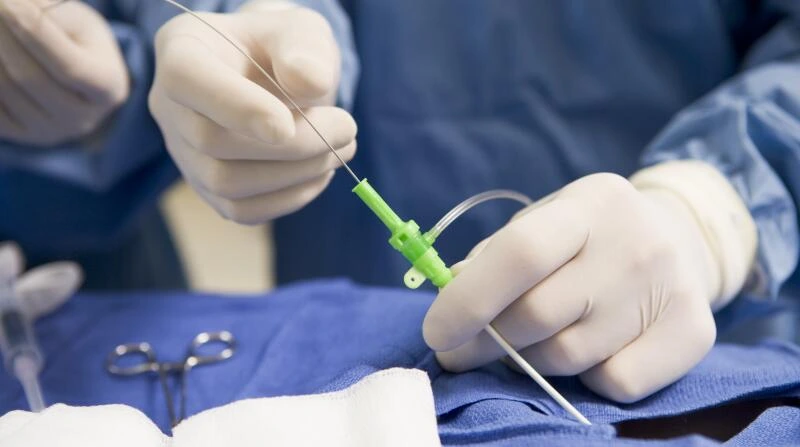
Cardiology focuses on the heart and blood vessels, and it covers the diagnosis and treatment of conditions that affect them. Doctors study how your heart works, and they treat problems that affect it. When symptoms suggest blocked arteries, your care team may recommend a closer look; cardiac catheterization gives them that detailed view. Here are some of the risks and benefits of this procedure:
Risks of the Procedure
Every medical procedure at a cardiology clinic carries some risk, and catheterization is no exception. Bleeding at the insertion site happens sometimes. Since the catheter travels through blood vessels, minor bruising may appear afterward. These side effects are generally mild.
Some risks stay rare, but you need clear information. Watch for these possible minor complications:
- Allergic reaction to contrast dye
- Minor damage to the artery or vein
- Irregular heartbeat during the test
- Local infection at the puncture point
Your care team monitors you closely, and they act fast if problems arise. Serious events are atypical. Since trained staff guide the process, most patients recover without trouble.
Benefits of the Procedure
Catheterization gives doctors direct data about your heart. It measures pressure inside the chambers, and it shows how blood moves through vessels. When images reveal a blockage, treatment planning becomes clearer.
The test often combines diagnosis with treatment. Doctors may open a narrowed artery during the same session, and they place a stent if needed. This approach may save you a second procedure. Since results appear quickly, your team can adjust care right away.
This minimally invasive procedure is performed using a thin, flexible catheter that is carefully guided through your blood vessels. It provides essential information about your cardiovascular health. While the process may sound intimidating, rest assured that it is a common and well-practiced method with significant benefits for your overall treatment plan.
Factors to Look At
Several details shape whether this procedure fits your situation. Age matters, and so does your overall health. Since kidney function affects dye processing, your doctor checks it first.
Talk openly with your care team before the appointment. Bring a list of current medications. Some drugs thin the blood, and your doctor may adjust them beforehand. When clear communication reduces surprises, honest answers help everyone.
Ask questions that address your specific concerns. Useful topics include:
- Recovery time and activity limits
- Medication changes before the test
- What sedation you will receive
- Signs to report after you go home
Write down the answers, and keep them nearby. Preparation eases worry. When you understand each step, the day becomes more manageable. Bring a trusted friend or family member, if possible, to help you remember details and provide support.
Visit a Cardiology Clinic
Your heart requires careful attention, and a cardiology clinic offers testing, guidance, and follow-up care in one place. When symptoms concern you, early evaluation makes a difference. Schedule a consultation to discuss your options, bring your questions, and share your full medical history. Since your team relies on accurate details, small facts add up. Reach out today and take the next step toward answers.
