


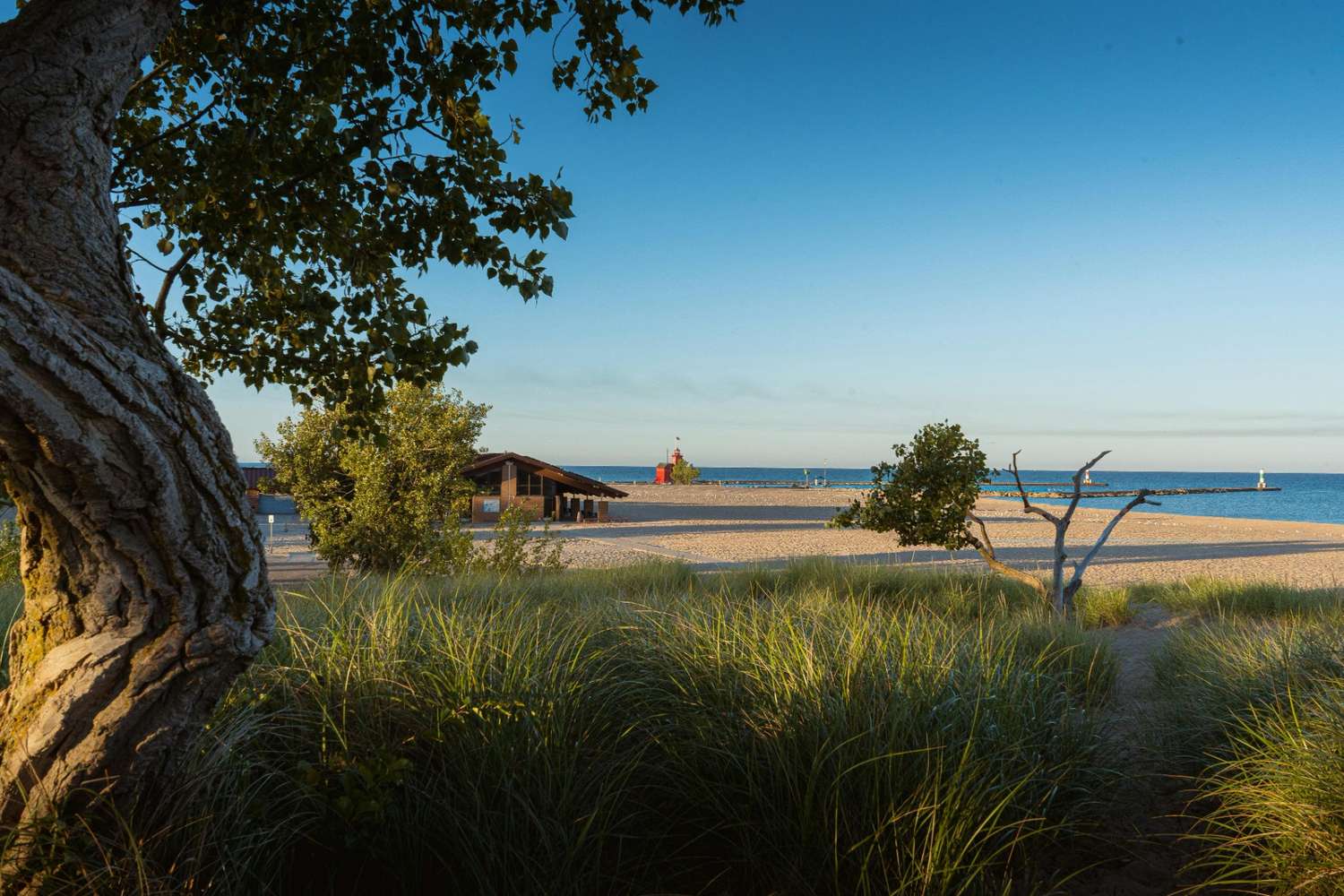
Few national parks surprise visitors as much as Indiana Dunes National Park.
Located along the southern shore of Lake Michigan, this remarkable park combines towering dunes, pristine beaches, forests, wetlands, prairies, and diverse wildlife within easy reach of Chicago. While many travelers overlook it in favor of larger western parks, those who visit often discover one of America’s most ecologically diverse landscapes.
Whether you’re planning a weekend getaway, a family vacation, or a hiking adventure, this guide covers everything you need to know about Indiana Dunes National Park, including top attractions, best trails, camping options, seasonal tips, and frequently asked questions.
What Is Indiana Dunes National Park?
Indiana Dunes National Park is a protected natural area in northwestern Indiana along Lake Michigan. The park preserves approximately 15,000 acres of beaches, dunes, forests, wetlands, and prairie ecosystems. It stretches for about 15 miles along the shoreline and contains more than 50 miles of hiking trails.
The area became the United States’ 61st national park in 2019, although it had been protected as a national lakeshore since 1966. Today, it attracts visitors seeking outdoor recreation, birdwatching, photography, swimming, and scenic hiking opportunities.
Why Is It Special?
Unlike many national parks that focus on dramatic mountains or canyons, Indiana Dunes showcases extraordinary biodiversity.
Highlights include:
- Massive dunes reaching nearly 200 feet high
- 15 miles of Lake Michigan shoreline
- Rare oak savannas
- Wetlands and marshes
- More than 1,100 native plant species
- Outstanding birdwatching opportunities
Many visitors are surprised to learn that Indiana Dunes National Park ranks among the most biologically diverse areas in the National Park System.
Where Is Indiana Dunes National Park?
The park is located in northwestern Indiana between Gary and Michigan City.
Driving Distances
- Chicago: 40–50 miles (about 1 hour)
- Indianapolis: 150 miles (about 3 hours)
- South Bend: 40 miles (about 1 hour)
Visitors can access the park via Interstate 94, Interstate 80/90, U.S. Highway 12, and Indiana State Road 49. The Indiana Dunes Visitor Center serves as the ideal starting point for first-time visitors.
Best Things to Do in Indiana Dunes National Park
1. Relax on the Beaches
The beaches are the park’s biggest attraction.
Lake Michigan often looks more like an ocean than a lake, with expansive horizons and beautiful sunsets.
Popular beaches include:
- West Beach
- Kemil Beach
- Porter Beach
- Dunbar Beach
- Mount Baldy Beach
Each beach offers a slightly different atmosphere, from family-friendly swimming areas to quieter stretches perfect for photography and nature walks.
2. Hike the Famous Sand Dunes
No trip to Indiana Dunes National Park is complete without climbing a dune.
The constantly shifting sands create a landscape unlike anywhere else in the Midwest.
Best Dune Hikes
Dune Succession Trail
A favorite for first-time visitors, this trail showcases how plant life gradually colonizes dunes over time.
Cowles Bog Trail
One of the most rewarding hikes in the park, featuring dunes, wetlands, forests, and stunning Lake Michigan views.
Paul H. Douglas Trail
An easy walk through Miller Woods leading to a beautiful beach.
Glenwood Dunes Trail
Ideal for longer hikes through rolling terrain and diverse habitats.
3. Experience Incredible Birdwatching
Bird enthusiasts travel from around the world to visit Indiana Dunes National Park.
Because of its location along major migration routes, the park becomes a hotspot during spring and fall migrations.
Visitors may spot:
- Bald eagles
- Sandhill cranes
- Great blue herons
- Warblers
- Hawks
- Owls
Spring migration is particularly spectacular and attracts thousands of birders annually.
4. Explore Historic Sites
The park isn’t only about nature.
Historical attractions include:
- Chellberg Farm
- Bailly Homestead
- Historic Century of Progress Homes
These sites provide insight into the area’s agricultural, cultural, and architectural history.
5. Go Camping Under the Stars
Camping allows visitors to fully experience the park after the day crowds leave.
Dunewood Campground
The primary campground inside Indiana Dunes National Park offers:
- Modern restrooms
- RV and tent sites
- Access to hiking trails
- Family-friendly amenities
Reservations are recommended during peak summer months.
Best Hiking Trails in Indiana Dunes National Park
Cowles Bog Trail
Distance: Approximately 4.7 miles
This trail combines nearly everything the park offers:
- Dunes
- Wetlands
- Forests
- Lake views
Many experienced visitors consider it the park’s most rewarding hike. Community reviews consistently rank it among the top experiences in the area.
Heron Rookery Trail
A seasonal favorite known for:
- Spring wildflowers
- Bird nesting activity
- Peaceful forest scenery
West Beach Trails
Ideal for visitors wanting dune climbs and panoramic views without committing to a long hike.
Wildlife and Ecosystems
One reason Indiana Dunes National Park stands out is its extraordinary ecological diversity.
The park contains multiple habitats within a relatively small area:
Sand Dunes
Wind and waves continuously reshape these formations.
Prairies
Native grasses and wildflowers support pollinators and birds.
Wetlands
Marshes and bogs provide critical habitat for amphibians and migratory species.
Forests
Oak woodlands create beautiful hiking opportunities, especially in autumn.
Best Time to Visit Indiana Dunes National Park
Spring (March–May)
Best for:
- Wildflowers
- Bird migration
- Mild temperatures
Spring is often considered the best season for nature lovers.
Summer (June–August)
Best for:
- Swimming
- Beach activities
- Family vacations
Expect larger crowds, especially on weekends.
Fall (September–November)
Best for:
- Fall colors
- Cooler hiking weather
- Smaller crowds
Frequent visitors consider autumn the most beautiful season.
Winter (December–February)
Best for:
- Solitude
- Snow-covered dunes
- Cross-country skiing
Winter reveals a completely different side of Indiana Dunes National Park.
Sample One-Day Itinerary
If you only have one day at Indiana Dunes National Park, follow this plan:
Morning
- Start at the Indiana Dunes Visitor Center
- Hike Cowles Bog Trail
Afternoon
- Picnic at West Beach
- Relax on the Lake Michigan shoreline
Evening
- Watch the sunset from the dunes
- Explore nearby restaurants in Porter or Chesterton
This itinerary covers the park’s most iconic experiences without feeling rushed.
Essential Visitor Tips
Safety Around Lake Michigan
Lake Michigan can be dangerous.
Pay attention to:
- Rip current warnings
- High-wave advisories
- Beach safety signs
Always check conditions before swimming.
Wear Proper Footwear
Walking on dunes requires more effort than typical hiking trails.
Closed-toe shoes provide better traction and comfort.
Bring Water
Summer temperatures combined with sandy terrain can quickly lead to dehydration.
Arrive Early
Parking lots fill quickly during weekends and holidays.
Indiana Dunes National Park vs Indiana Dunes State Park
Many travelers confuse these two destinations.
Indiana Dunes National Park
- Covers a larger area
- Includes multiple ecosystems
- Features extensive hiking networks
- Managed by the National Park Service
Indiana Dunes State Park
- Located within the national park area
- Famous for steep dune climbs
- Includes the popular Three Dune Challenge
Visiting both provides the most complete experience.
Hidden Gems Most Visitors Miss
To outperform typical travel guides, it’s worth highlighting locations that many articles overlook.
Mnoké Prairie
A restored prairie showcasing native Midwest landscapes.
Miller Woods
Excellent for birdwatching and wildflower photography.
Bailly Cemetery Trail
Combines history and nature with minimal crowds.
Sunset Photography Spots
While most visitors gather at West Beach, Kemil Beach often provides equally stunning views with fewer people.
Frequently Asked Questions
Is Indiana Dunes National Park worth visiting?
Yes. While it differs from iconic parks like Yellowstone or Yosemite, it offers unique dune landscapes, beautiful beaches, exceptional biodiversity, and easy access from major cities. Many visitors are pleasantly surprised by the variety of experiences available.
How many days do you need at Indiana Dunes National Park?
One full day covers the highlights, but two to three days allow time for hiking, beaches, birdwatching, and exploring historic sites.
What is the best trail in Indiana Dunes National Park?
Cowles Bog Trail is widely considered the park’s premier hike because it showcases multiple ecosystems and scenic views.
Can you swim at Indiana Dunes National Park?
Yes. Several beaches offer swimming access along Lake Michigan. Always check current water conditions before entering the lake.
Is Indiana Dunes National Park family-friendly?
Absolutely. Families enjoy beach activities, short trails, wildlife viewing, educational programs, and camping opportunities.
What is the best month to visit Indiana Dunes National Park?
May, September, and October generally provide the best combination of pleasant weather, fewer crowds, and excellent outdoor conditions.
Conclusion
Indiana Dunes National Park proves that extraordinary natural beauty isn’t limited to mountains and deserts. Along just 15 miles of Lake Michigan shoreline, visitors can climb towering dunes, relax on sandy beaches, explore wetlands and forests, watch migrating birds, and discover one of America’s most diverse ecosystems.
Whether you’re planning a quick day trip from Chicago or a multi-day outdoor adventure, Indiana Dunes National Park delivers a memorable experience in every season. Start with the beaches, hike a few trails, stay for sunset, and you’ll quickly understand why this unique national park continues to earn a place on travelers’ bucket lists.
