


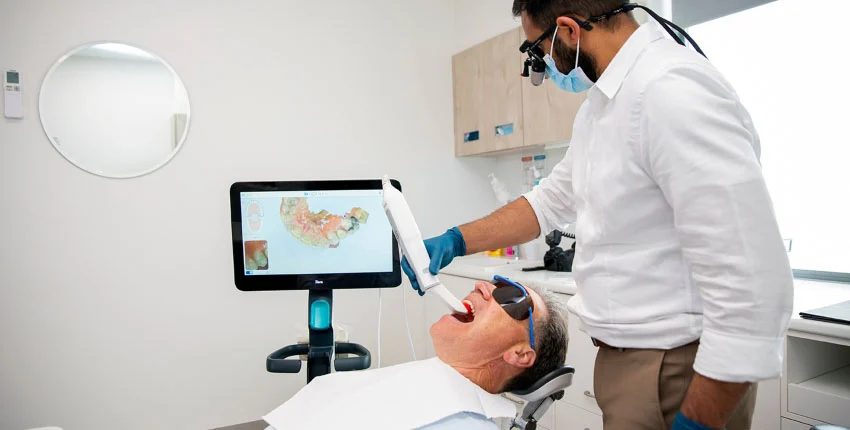
Restorative dentistry helps address damaged, decayed, or missing teeth through personalized dental treatments. These procedures restore tooth function, improve appearance, and support long-term oral health. Understanding available restorative options helps patients explore treatments that fit their dental needs and goals. Here is more information about the role of restorative dentistry in oral health:
Restorative Dentistry Overview
Restorative dentistry focuses on repairing, replacing, and strengthening teeth affected by damage, decay, or tooth loss. These treatments help restore normal function and improve the appearance of the smile. Common restorative options include fillings, crowns, dental implants, and dentures, with recommendations based on each patient’s dental needs.
Preventive care focuses on reducing future dental problems, while restorative care addresses existing concerns. Both approaches work together to support long-term oral health. Restorative treatments help rebuild teeth when preventive measures alone cannot correct damage.
Common Restorative Treatments
Restorative treatments address different levels of tooth damage, decay, and tooth loss. A dentist evaluates each patient’s oral health, symptoms, and dental needs to recommend the most appropriate option. Common restorative treatments include:
- Tooth-colored fillings: Repair cavities with composite resin that blends with natural teeth.
- Inlays and onlays: Restore larger areas of damage that do not require a full crown.
- Crowns: Cover damaged teeth to restore strength, shape, and function.
- Bridges: Replace missing teeth using artificial teeth supported by neighboring teeth.
- Dental implants: Provide stable anchors for crowns, bridges, or full arch restorations.
- Full and partial dentures: Replace multiple missing teeth with removable or fixed appliances.
Each treatment addresses specific dental concerns and helps restore oral function. A dentist uses exams, X-rays, and other evaluations to determine the best approach for each patient.
Dental Implant Process
Dental implants replace missing teeth by using a titanium post that anchors into the jawbone. Over time, the implant integrates with the bone through a process called osseointegration. After healing, the implant supports a dental crown, bridge, or full-arch restoration to restore function and appearance.
Dental implants also help maintain jawbone structure after tooth loss. They provide support for replacement teeth and help prevent nearby teeth from shifting into open spaces. A dentist uses exams and imaging to determine whether implants are an appropriate option based on each patient’s oral health.
Restorative Care Evaluation
Patients should schedule a restorative dentistry consultation when they experience tooth pain, chewing difficulties, visible damage, or missing teeth. A dentist evaluates the condition of the teeth through a clinical exam and diagnostic imaging to identify concerns beneath the surface. Based on the findings, the dentist creates a personalized treatment plan that may address issues ranging from cavities to more extensive tooth restoration needs.
Schedule Your Restorative Consultation
Restorative dentistry helps repair damaged teeth and replace teeth that are missing. Treatments such as fillings, crowns, implants, and dentures address different dental concerns and support oral function. A dentist evaluates each patient’s needs to recommend the most appropriate treatment option. Understanding the available choices helps patients make informed decisions about their dental care. Schedule a consultation today to discuss your restorative dentistry options and find the right solution for your smile.
