


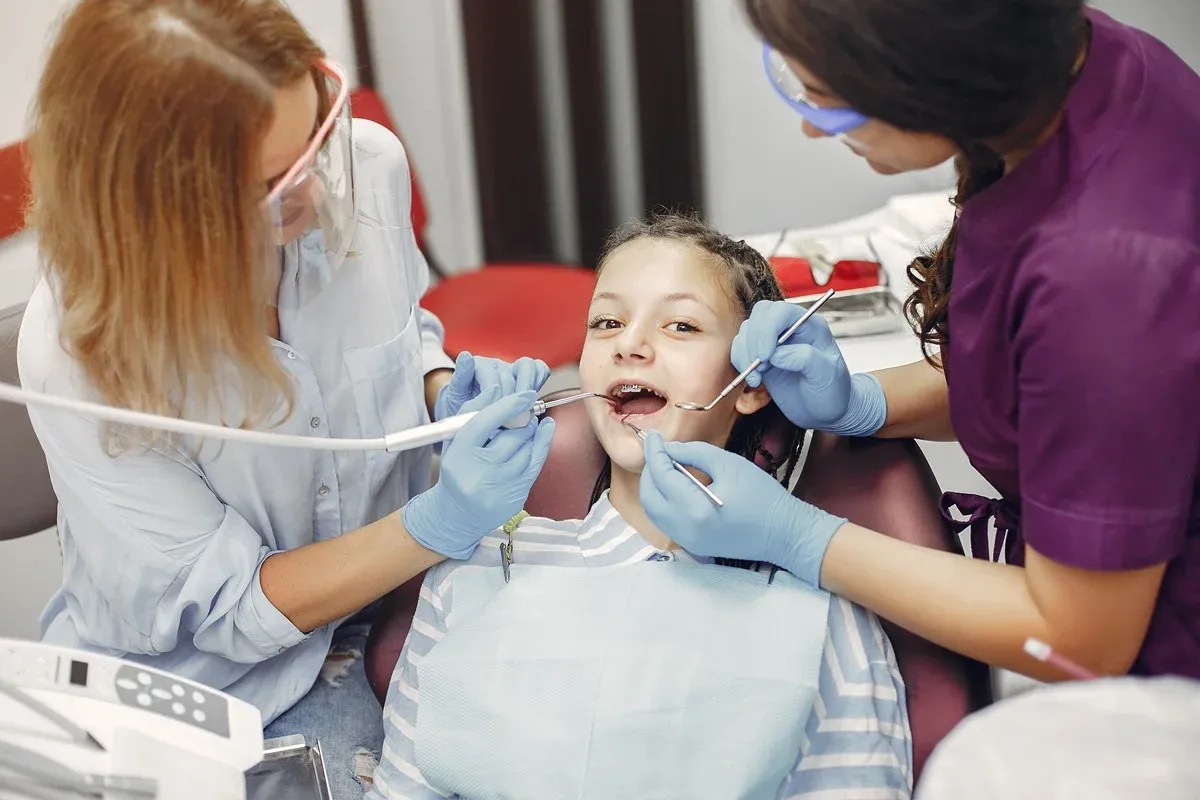
Children have unique dental needs that require care tailored to their age and stage of development. Pediatric dentistry supports preventive care through routine examinations and early guidance on healthy oral habits. Here is a closer look at the role of pediatric dentistry in preventive care:
Monitoring Dental Development
A child’s mouth changes quickly, so tracking these changes is a key part of pediatric dentistry. Dentists watch how baby teeth come in and how permanent teeth replace them over time. This ongoing observation helps providers notice patterns early, and it lets them plan care that matches each child’s growth.
During routine visits, the dentist checks tooth alignment, jaw position, and bite patterns. A child may show crowding or spacing that will affect future development; the dentist records these details at every appointment. Growth happens fast, and regular monitoring keeps the care plan accurate as the child ages.
Preventing Common Oral Problems
Prevention is a key component of pediatric dentistry; it targets the issues that most often affect young people. Cavities, gum irritation, and enamel wear can appear at any age, and these problems often respond well to early attention. Here are some preventive services pediatric dental teams rely on:
- Dental cleanings: Professional cleanings remove plaque and buildup, and they keep gums and teeth in better shape between visits.
- Fluoride treatments: Fluoride helps strengthen enamel, and dentists apply it during routine appointments to add a layer of protection.
- Dental sealants: Sealants cover the grooves of back teeth to make the surfaces easier to clean.
- Routine exams: Regular checkups let the dentist detect small concerns early.
These services work together to reduce the chance of common problems, and they give families practical ways to protect a child’s smile.
Building Healthy Dental Habits
Habits formed in childhood tend to carry into adult life, so pediatric dentistry places real focus on daily routines. Dentists show young patients how to brush and floss correctly, and they adjust their guidance based on the child’s age. Diet also influences oral health; pediatric dentists talk with families about food and drink choices. Sugary snacks and drinks can increase the risk of cavities, and cutting back on them supports stronger teeth. The dentist offers clear suggestions, and families can apply these tips at home.
Supporting Early Intervention
Early intervention lets pediatric dentists address concerns before they grow into larger issues. When a dentist notices signs of misalignment, crowding, or bite problems, they can plan a response that aligns with the child’s development. Orthodontic evaluation is a key part of this early approach; dentists may track jaw growth to time future treatment well. Here are a few situations that often benefit from early attention in pediatric dentistry:
- Bite alignment: Correcting how the upper and lower teeth meet can guide proper jaw function.
- Space management: Preserving space for permanent teeth helps reduce crowding.
- Habit correction: Addressing thumb-sucking or similar habits early can support healthy development.
These focus areas highlight why regular visits matter so much. Early action gives families more options and often leads to efficient care.
Schedule Your Pediatric Dentistry Visit
Early pediatric dental care is fundamental for fostering lifelong dental habits. It supports young people through monitoring, prevention, habit-building, and early intervention. Consistent care helps families stay ahead of common concerns, and it builds a strong foundation for oral health. Contact a qualified dentist near you to schedule your pediatric dentistry visit today.
