


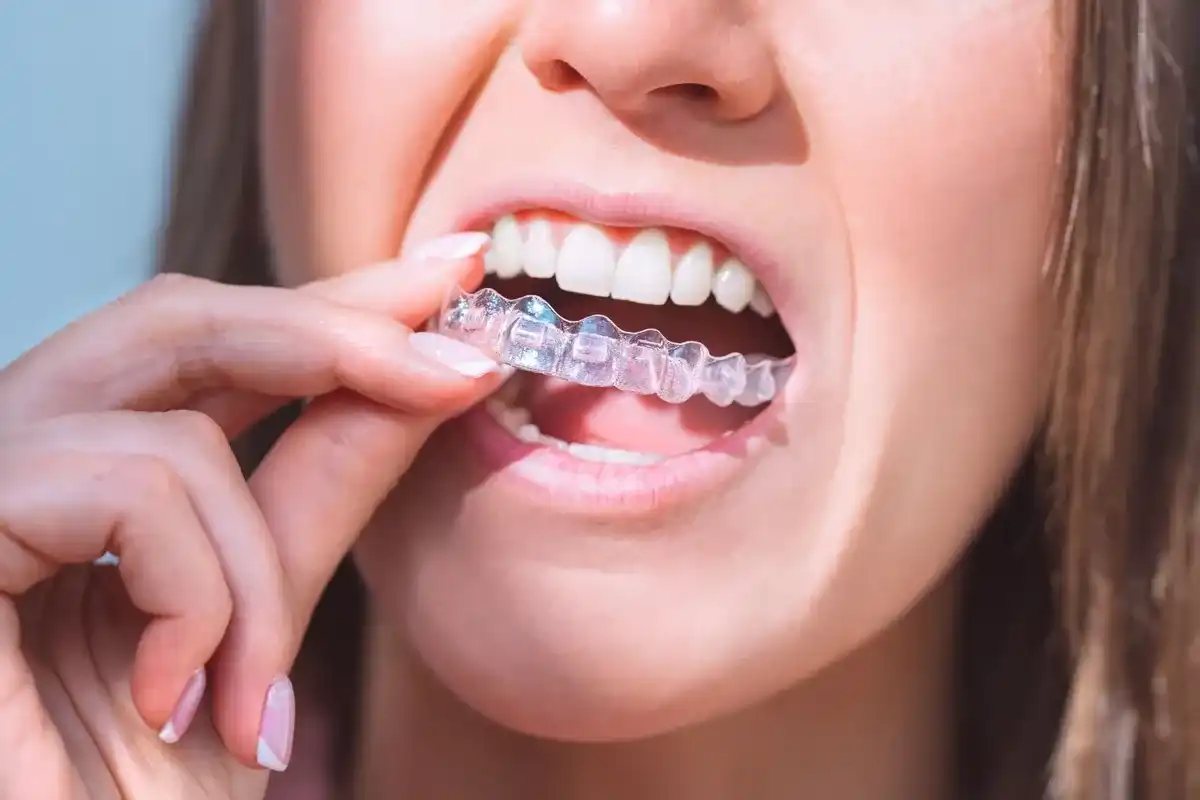
Invisalign is a system of clear, removable aligners that gradually shift teeth into a straighter position. This orthodontic system doesn’t use metal brackets or wire; instead, it uses a series of transparent plastic trays that fit over your teeth. Each aligner set applies controlled pressure to specific teeth, and you swap them for a new set every two weeks. Because the aligners are made from smooth, see-through material, many people choose Invisalign as a discreet alternative to traditional braces. Here’s more information on Invisalign and what to expect from this treatment process:
How Invisalign Is Customized
Every Invisalign plan starts with a detailed picture of your mouth. Your provider typically uses a digital scanner to create a three-dimensional model of your teeth, capturing their shape and position. This scan replaces the messy impressions once used in orthodontics, and it produces a precise digital record in minutes. From that model, your provider maps out how your teeth should move at each stage of treatment.
Software then simulates the step-by-step progression, showing a projected outcome before you begin. Once you approve the plan, a lab produces your custom aligners in sequence. You can expect to wear each set for the recommended number of hours per day, usually around 20 to 22 hours. Check-in appointments allow your provider to track progress and hand over new trays. The customized approach means your aligners are built specifically for your bite and no one else’s.
What Issues You Can Address
Invisalign addresses a range of alignment and spacing concerns. These trays are removable, so you can easily take them out to eat, brush, and floss. Treatment suitability depends on your individual case, and your provider can help determine whether it fits your needs.
Spacing and Crowding
Gaps between teeth and crowding are two common reasons people get clear aligners. When teeth are spaced too far apart, aligners can work to close those gaps over time. Crowding occurs when there isn’t enough room for teeth to sit in proper position, and aligners can help reposition them for a more even arrangement.
Bite Alignment
Invisalign may also address certain bite concerns, such as an overbite, underbite, or crossbite. These occur when the upper and lower teeth don’t meet as intended. By guiding teeth into new positions, the aligners aim to improve how your bite fits together. Complex bite cases sometimes require additional evaluation, so a consultation is the best way to understand your options.
How Long Treatment Takes
Treatment times vary; simple cases may take a few months, while more involved cases can take longer than a year. Several factors influence your treatment timeline, including the degree of movement needed and how consistently you wear your aligners. Wearing the trays for the recommended hours each day plays a major role in staying on schedule. Removing them too often can slow progress and extend the overall timeline. Your provider will give you an estimated range at the start, then adjust as your treatment moves forward.
Try Invisalign for Your Alignment Needs
Invisalign offers a clear, removable way to straighten teeth with a series of custom-made aligners. The process begins with a digital scan, continues through a mapped sequence of trays, and includes regular check-ins to track your progress. Treatment can address spacing, crowding, and certain bite concerns, though the appropriate orthodontic approach depends on your specific situation. After treatment, many people wear a retainer to help maintain their results. To learn more about clear aligners, contact a cosmetic dentist near you to schedule an appointment.
