


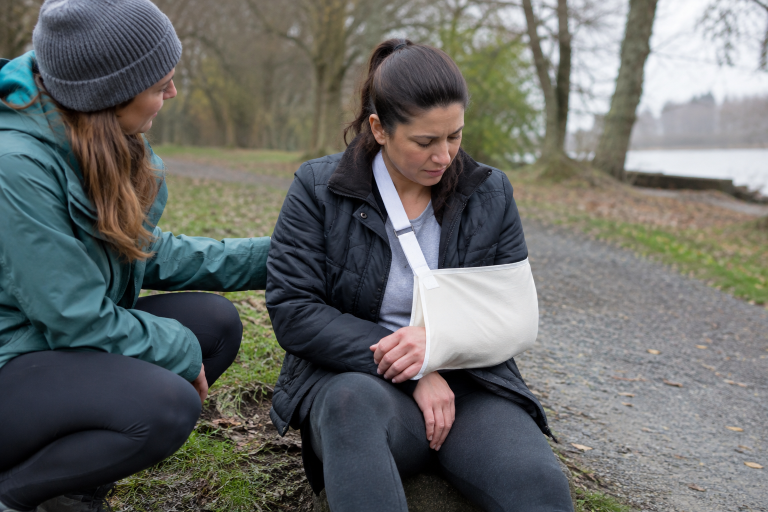
A shoulder dislocation can happen during a fall, a pickup game, a cycling crash, a work injury, or a weekend around Tulsa’s parks and trails. The priority is not to test the shoulder or “shake it off.” It is to protect the arm and get prompt medical care. For guidance tailored to an injury, a shoulder doctor in Tulsa can assess the joint and surrounding tissues and develop a safe recovery plan.
Getting the joint back into place is an important first step, but it is not the whole recovery. A shoulder can feel noticeably better after treatment while still lacking the strength, motion, and control needed for lifting, driving, overhead work, contact sports, or throwing.
Why Shoulder Dislocations Need Quick Attention
The shoulder is a ball-and-socket joint. A dislocation occurs when the upper arm bone moves out of its normal position in the socket. The injury may involve ligaments, the labrum, rotator cuff muscles or tendons, nerves, blood vessels, or bone. A shoulder may look visibly out of place, but a partial dislocation can be less obvious. The signs and treatment of a dislocated shoulder include prompt assessment, imaging when appropriate, reduction, protection, and rehabilitation.
What to Do Before Medical Care
- Stop the activity immediately and keep the arm as still as possible.
- Support the arm in its most comfortable position with a sling, towel, or soft garment.
- Use a cold pack wrapped in cloth for short periods to help with pain and swelling.
- Remove rings, watches, or tight items before swelling makes them difficult to remove.
- Seek emergency care, especially if the hand is cold, pale, discolored, numb, weak, or difficult to move.
Do not attempt to “pop” the shoulder back in yourself. Pulling, twisting, or using internet techniques can worsen a fracture, soft-tissue injury, nerve injury, or blood-vessel problem.
Common Signs of a Dislocated Shoulder
- Sudden, intense shoulder pain.
- Loss of normal arm movement.
- A shoulder that looks squared off, uneven, or out of position.
- Swelling, bruising, or muscle spasms.
- Tingling, numbness, or weakness in the arm or hand.
- A feeling that the joint has shifted, slipped, or become stuck.
These symptoms can overlap with fractures and severe sprains. A physical examination and X-rays help clinicians confirm the diagnosis and identify associated bone injuries.
What Happens at the Emergency Department
Clinicians typically check the shoulder’s appearance, the pulse at the wrist, skin temperature, sensation, and the ability to move the arm and hand. X-rays may be taken before treatment to confirm the direction of the dislocation and look for fractures. A reduction is the medical term for gently returning the joint to its normal alignment. Pain medicine, muscle relaxation, or sedation may be used when needed. Follow-up imaging can confirm alignment, while CT or MRI may be considered later when bone or soft-tissue damage is suspected.
The First Stage of Recovery
After reduction, the shoulder is often supported in a sling for a period determined by the treating clinician. Protection matters, but prolonged inactivity can contribute to stiffness. Follow the individual care plan rather than borrowing a teammate’s or coworker’s timeline. In the first days, choose loose front-opening clothing, keep commonly used items within easy reach, and arrange help with tasks that require lifting, reaching, or carrying.
How Rehabilitation Usually Progresses
Phase One: Protect and Settle the Joint
Early care focuses on controlling pain and swelling while protecting healing tissue. Hand, wrist, and elbow motion may be encouraged as directed, but lifting, sudden reaching, overhead motions, and positions that create a slipping sensation should be avoided.
Phase Two: Restore Comfortable Motion
When cleared, rehabilitation often begins with gentle range-of-motion exercises. Progress should be steady rather than aggressive. Sharp pain, worsening swelling, numbness, or a feeling that the shoulder is coming out again are reasons to stop and contact the care team.
Phase Three: Build Strength and Control
Strengthening commonly targets the rotator cuff, shoulder blade muscles, and upper back. The goal is not only heavier lifting. It is also control, coordination, and endurance during everyday movements such as reaching into a cabinet, carrying groceries, or placing equipment overhead at work.
Phase Four: Return to Normal Activity
Recovery progresses from daily activities to light exercise, job-specific tasks, and sport-specific drills. Resistance, speed, contact, and overhead demands should be added in stages. Tulsa residents returning to recreational tennis, golf, softball, swimming, or physical work should rebuild the capacity for the exact movements their activities require.
How Long Does Recovery Take?
Recovery time varies with age, the severity of the injury, prior dislocations, associated fractures or tears, treatment choices, and the demands of the person’s work or sport. Feeling less pain does not always mean the shoulder is ready for unrestricted activity. Strength and joint control may take longer to return. As returning before the shoulder is stable can raise the risk of another injury, clearance should be based on examination findings and functional progress.
When Surgery May Enter the Discussion
Not every first-time shoulder dislocation requires surgery. However, surgery may be discussed when there are repeated dislocations, significant bone damage, fractures, torn ligaments or labrum, persistent instability after rehabilitation, or high physical demands at work or in sport. The decision depends on the injury pattern, imaging findings, age, goals, examination findings, and the likelihood of recurrence.
Reducing the Risk of Another Dislocation
- Complete the prescribed rehabilitation program, including home exercises.
- Build rotator cuff, shoulder blade, and upper-back strength.
- Practice controlled lifting, reaching, throwing, and landing mechanics.
- Increase training volume and overhead activity gradually.
- Report painful clicking, repeated slipping, weakness, or a loose feeling in the joint.
Common Questions About Shoulder Dislocation Recovery
Can a shoulder dislocation heal without surgery?
Yes. Some people recover with reduction, temporary support, and rehabilitation. Others need surgery because the shoulder continues to dislocate or because there is meaningful bone or soft-tissue damage.
When can someone drive again?
Driving should wait until the person can control the wheel safely, react quickly, is no longer affected by sedating medication, and has been cleared by the treating clinician.
When can someone return to the gym?
A gradual return may begin with approved lower-body or low-impact conditioning. Heavy pressing, overhead lifting, hanging movements, and fast or contact-based exercise should wait until the shoulder has adequate motion, strength, and stability.
Final Checklist for a Safer Recovery
- Get urgent care for a suspected dislocation.
- Never attempt a self-reduction.
- Follow instructions for support, medication, and movement.
- Attend follow-up and rehabilitation appointments.
- Increase activity in small, purposeful steps.
- Get medical clearance before returning to heavy lifting or contact sports.
Conclusion
A safe shoulder dislocation recovery in Tulsa, Oklahoma requires more than putting the joint back in place. Early medical care, patient rehabilitation, and a measured return to activity give the shoulder its best opportunity to recover. Persistent pain, numbness, weakness, loss of motion, or repeated instability should be evaluated rather than trained through.
