


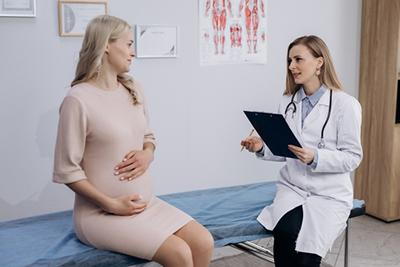
An OBGYN, which is short for obstetrician-gynecologist, is a medical specialist trained in reproductive and women’s health, combining expertise in obstetrics and gynecology. These healthcare professionals provide a broad range of services, including routine preventive care such as annual well-woman exams, as well as management of conditions such as endometriosis and menstrual irregularities. They also provide comprehensive pregnancy care, and understanding how appointments are structured can make the experience smoother. Here is more information on preparing for a first visit:
What Is an OBGYN?
An obstetrician-gynecologist (OBGYN) is a medical specialist who focuses on reproductive and women’s health. They combine two areas of expertise: obstetrics, which covers pregnancy and childbirth, and gynecology, which addresses the female reproductive system. Some patients see an OBGYN as their primary healthcare provider for reproductive concerns; this makes them a central figure in long-term women’s health management. OBGYNs manage care across all stages of a woman’s reproductive life, from adolescence through menopause.
What Services Do They Offer?
OBGYNs provide a broad range of services, including preventive care and treatment. These include:
- Annual well-woman exams and Pap smears
- Contraception counseling and management
- Diagnosis and treatment of chronic conditions
- Prenatal care and fetal development monitoring
What Are First Appointments Like?
A first OBGYN appointment is typically a general health assessment, and understanding what to expect helps individuals prepare. The provider will review the patient’s medical history. They may also ask about the patient’s menstrual cycle, sexual activity, and any current symptoms or concerns, so accurate responses help the provider better understand the patient’s overall health.
A physical exam may be included depending on the patient’s age and medical history. This may involve a pelvic exam, breast exam, or Pap smear, although not every first visit includes all of these. The provider determines what is appropriate based on individual circumstances, and the appointment duration varies.
What Does Preparation Involve?
Arriving prepared helps the appointment run more smoothly, and there are several key items to bring. Include a list of current medications, supplements, or vitamins. If relevant records need to be requested, bring the names of any previous healthcare providers, and note any history of surgeries or significant health conditions.
Think about timing when scheduling your visit. Scheduling outside of the menstrual period may allow for more accurate Pap smear results, and it provides a more comfortable pelvic exam. Before the appointment, avoid intercourse, douching, and the use of vaginal products, as these can affect test accuracy.
Preparing a list of questions before the appointment makes sure nothing is overlooked. Whether the patient has questions about contraception, changes in their cycle, or a specific symptom, writing them down in advance is beneficial. The OBGYN is there to address these health needs, and no question is too minor to raise.
Prepare for Your Appointment Today
A first OBGYN visit covers your reproductive health history, and the doctor will recommend any screenings relevant to your age and needs. Understanding what OBGYNs do and what services they provide helps you prepare. If you are seeing an OBGYN for the first time, bring your documentation and come ready with questions.
