


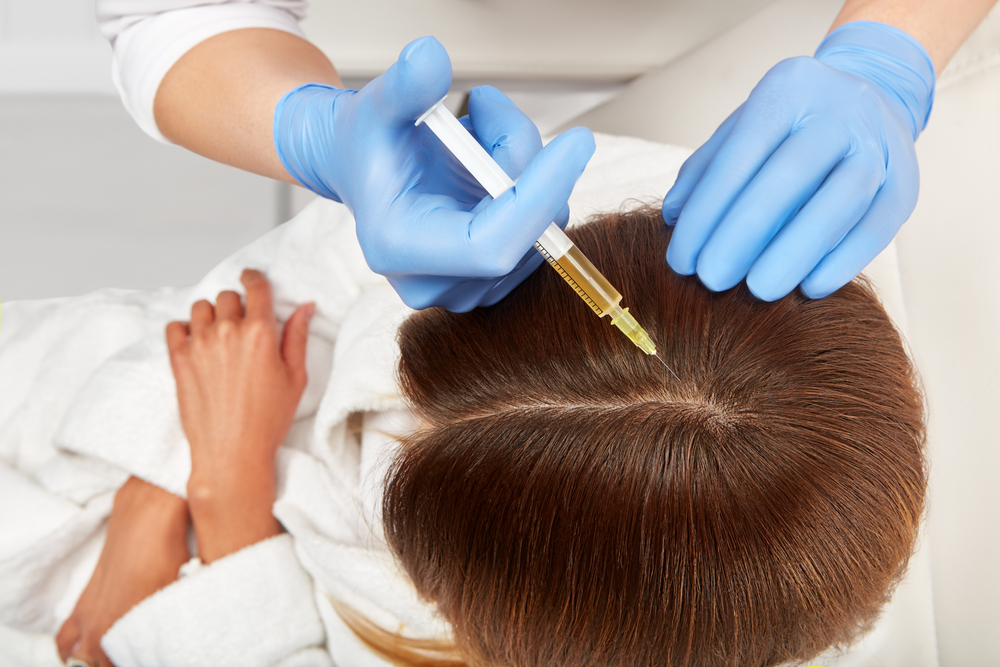
Hair restoration encompasses a range of treatments that address thinning hair or hair loss by supporting the scalp and existing follicles. These approaches vary from surgical transplants to less invasive options that work with the body’s own resources. One newer option gaining attention is platelet-rich plasma (PRP) therapy, which uses a concentrated portion of a patient’s own blood to support a target area. As more people seek alternatives to surgery, PRP has become a common offering at medical spas and clinics. Here is information on platelet-rich plasma therapy and how it supports hair restoration:
How PRP Works
Platelet-rich plasma is a concentrated solution containing several growth factors and cytokines that occur naturally in platelets. When concentrated and applied to a treatment area, these components may support wound healing and tissue regeneration processes for some individuals. Because components come from the patient’s own blood, PRP has become a popular option for both cosmetic and medical purposes. Growth factors such as platelet-derived growth factor and transforming growth factor are some key beneficial proteins found in a PRP solution. Cytokines are proteins that support cellular communication during the healing response and help control inflammation in the body.
How the Solution Is Made
Preparing platelet-rich plasma begins with a blood draw, typically from the arm; the amount collected depends on each clinic’s protocol. The blood sample is placed in a centrifuge, a device that spins at high speed to separate the blood into distinct layers. This process separates blood components by density, including:
- Red Blood Cells
- Plasma
- Platelet-rich Proteins
After spinning, the practitioner extracts the platelet-rich plasma from the sample. The practitioner then prepares the concentrated solution for application, usually introducing it to the scalp through a series of small injections. The entire process takes place in a single appointment, from the initial draw to the final application.
How Long Benefits Take
PRP therapy results are not immediate, and many patients follow a schedule of multiple sessions spaced several weeks apart. The exact timing depends on individual factors and the provider’s specific plan. Many providers recommend a series of treatments over a few months to allow the scalp to benefit gradually through hair growth cycles.
Visible changes, when they occur, develop over several months. Some patients return for maintenance sessions after the initial series to support ongoing results. Because each person responds differently, a consultation helps set realistic expectations for the treatment timeline. The process works alongside the body’s natural cycles, so benefits appear over time rather than within days of a session.
Try PRP for Hair Restoration
If you want a hair restoration treatment, contact a medical spa near you for personalized advice. A specialist can review your situation, explain the process in detail, and outline what a treatment plan involves. Platelet-rich plasma therapy uses your body’s own platelets to support hair growth. It relies on a straightforward preparation process, follows a structured session schedule, and is a recognized option for hair rejuvenation. Determine whether PRP can support your hair by working with a med spa provider.
