



Anxiety is a universal human experience. Occasional worry or nervousness is a normal part of life. However, for millions of people worldwide, anxiety goes far beyond this. In fact, anxiety disorders affected an astonishing 359 million individuals globally in 2021. This makes them the most common mental disorders around the world.

These conditions cause intense, persistent fear and worry that can severely impact daily life. They lead to significant emotional distress and make everyday tasks incredibly difficult. Despite how common anxiety disorders are, many people do not receive the care they need. This creates a significant treatment gap.
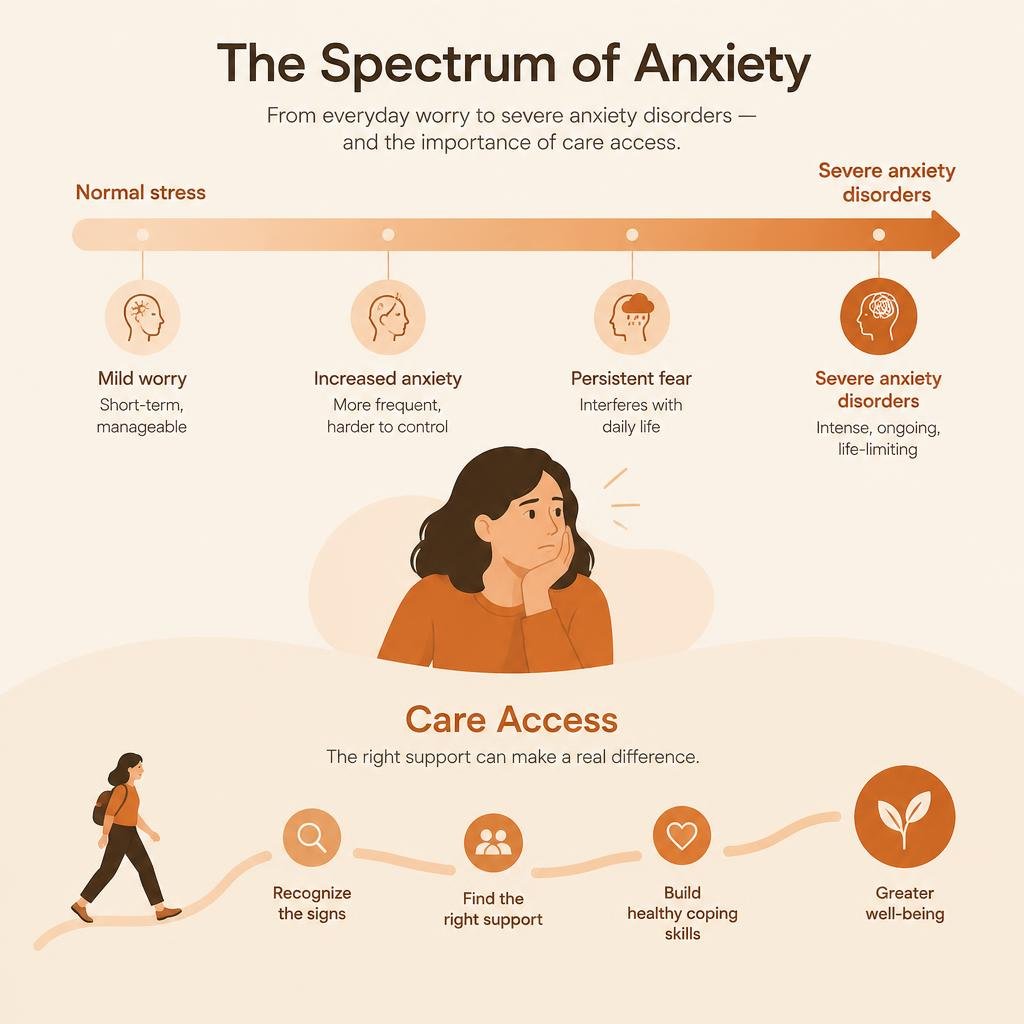
In this comprehensive guide, we will explore the critical indicators of severe anxiety disorders. We will help you understand how they differ from normal stress. We will also look at the different types of anxiety and the most effective ways to find support. Our goal is to provide clear, actionable information. This will help us better recognize the signs and navigate the path toward accessible and compassionate mental healthcare. We believe that understanding these symptoms is the first step toward recovery and improved well-being.
Understanding Severe Anxiety Disorders and Core Symptoms
Severe anxiety disorders manifest as intense, excessive, and persistent worry or fear that is disproportionate to the actual situation. Unlike transient stress, this pervasive dread can significantly interfere with a person’s daily functioning, relationships, and overall quality of life. The core symptoms often encompass a blend of emotional, physical, and behavioral responses that signal a deeper underlying issue.
Individuals experiencing severe anxiety frequently report a persistent sense of impending danger or doom, even when no immediate threat is present. This can lead to somatic signs such as a pounding heart, rapid breathing (hyperventilation), sweating, trembling, and muscle tension. These physical sensations are often accompanied by a state of hyperarousal, where the individual feels constantly on edge, easily startled, and struggles to relax. A hallmark of severe anxiety, particularly in panic disorder, is the occurrence of panic attacks. These are sudden, intense surges of fear that reach a peak within minutes, often involving a terrifying combination of physical symptoms like chest pain, shortness of breath, dizziness, and a fear of losing control or dying. These episodes can be debilitating and lead to significant avoidance behaviors.

Differentiating Everyday Worry from Disabling Anxiety
It’s crucial to distinguish between the normal, occasional anxiety that everyone experiences and the disabling anxiety characteristic of a disorder. While everyday worry is typically tied to specific, temporary stressors (like a job interview or a deadline) and resolves once the situation passes, severe anxiety is persistent and often generalized.
The key differentiators include:
- Functional Impairment: Does the anxiety significantly interfere with work, school, social activities, or personal relationships? If worry prevents someone from leaving their home, pursuing career goals, or maintaining friendships, it has crossed into disabling territory.
- Symptom Persistence: Normal anxiety is fleeting. Severe anxiety involves symptoms that persist for extended periods, often for months or even years. For instance, Generalized Anxiety Disorder (GAD) requires excessive worry to be present on most days for at least six months.
- Uncontrollability: People with severe anxiety often report feeling unable to control their worry, even when they recognize it’s irrational or excessive. This lack of control contributes to significant distress.
- Distress Severity: The level of emotional and physical distress associated with severe anxiety is typically far greater than that of normal worry. It can be profoundly upsetting and debilitating.
- Disproportionate Reaction: The intensity of the anxiety reaction is often out of proportion to the actual situation or perceived threat.
Understanding these distinctions is vital for individuals to recognize when their anxiety warrants professional attention.
Clinical Spectrum Across Generalized Anxiety, Panic, and Phobias
Anxiety disorders are not monolithic; they encompass several distinct conditions, each with specific diagnostic criteria outlined in the Diagnostic and Statistical Manual of Mental Disorders (DSM-5). While they share common threads of excessive fear and worry, their manifestations and triggers can vary significantly.
- Generalized Anxiety Disorder (GAD): Characterized by persistent and excessive worry about a variety of everyday things, such as health, work, money, or family. Individuals with GAD find it difficult to control their worry, and it’s often accompanied by physical symptoms like restlessness, fatigue, difficulty concentrating, irritability, muscle tension, and sleep disturbance. Unlike other anxiety disorders, the worry in GAD is not focused on a single trigger but shifts across various concerns.
- Panic Disorder: Defined by recurrent, unexpected panic attacks. These attacks are not triggered by a specific situation and can occur “out of the blue.” Following an attack, individuals often experience persistent worry about having more attacks or about their consequences (e.g., losing control, having a heart attack), leading to significant behavioral changes to avoid potential triggers.
- Agoraphobia: This disorder involves intense fear and avoidance of situations where escape might be difficult or help unavailable if panic-like symptoms or other incapacitating symptoms occur. Common fears include using public transportation, being in open or enclosed spaces, standing in line or being in a crowd, or being outside of the home alone.
- Social Anxiety Disorder (Social Phobia): Marked by a significant fear of social situations where the individual might be scrutinized, judged, or embarrassed. This can lead to avoidance of social interactions, public speaking, or even eating in front of others. The fear is often of negative evaluation.
- Specific Phobias: Involve an intense, irrational fear of a specific object or situation (e.g., heights, animals, flying, needles). Exposure to the phobic stimulus almost invariably provokes immediate anxiety or a panic attack, leading to active avoidance.
- Separation Anxiety Disorder: While often associated with childhood, this disorder can also affect adults. It involves excessive fear or anxiety concerning separation from attachment figures, leading to distress when anticipating or experiencing separation, worry about harm to attachment figures, and reluctance to be alone.
These distinct types often overlap, and it’s common for individuals to experience symptoms from more than one anxiety disorder, or for anxiety disorders to co-occur with other mental health conditions.
Navigating Evidence-Based Mental Healthcare Services
When anxiety becomes severe and begins to disrupt daily life, seeking professional help is a critical step towards recovery. Modern mental healthcare emphasizes an interprofessional care approach, involving a team of specialists to provide comprehensive support. Early intervention is paramount, as addressing anxiety symptoms before they become deeply entrenched can significantly improve treatment outcomes and prevent long-term complications. A thorough clinical assessment is the starting point, where healthcare providers evaluate symptoms, medical history, and overall well-being to formulate an accurate diagnosis and personalized treatment plan.
In situations where anxiety symptoms escalate to a crisis point, immediate support is available. Crisis lifelines, such as the 988 Suicide & Crisis Lifeline in the U.S., offer confidential support 24/7 for individuals experiencing emotional distress or suicidal thoughts. These services are vital resources for rapid intervention and connection to ongoing care. We recognize that finding the right support can feel overwhelming, but we want to assure you that effective, compassionate mental healthcare is within reach.
Psychotherapy Options in Mental Healthcare Services
Psychotherapy, often referred to as “talk therapy,” is a cornerstone of treatment for severe anxiety disorders. It equips individuals with strategies to manage their symptoms, change unhelpful thought patterns, and develop healthier coping mechanisms. Several evidence-based approaches have proven effective:
- Cognitive Behavioral Therapy (CBT): Widely considered the gold standard, CBT helps individuals identify and challenge distorted thinking patterns (cognitive restructuring) that contribute to anxiety. It also incorporates behavioral techniques, such as gradual exposure, where individuals are systematically and safely exposed to feared situations or objects to reduce avoidance and desensitize their anxiety response. Psychoeducation, an integral part of CBT, helps patients understand their condition and the rationale behind treatment strategies.
- Exposure Therapy: A specific type of CBT, exposure therapy is particularly effective for phobias, social anxiety, and panic disorder. It involves confronting feared situations or objects in a controlled environment, helping individuals learn that their anxiety will decrease over time and that their feared outcomes are unlikely to occur.
- Acceptance and Commitment Therapy (ACT): ACT helps individuals accept uncomfortable thoughts and feelings rather than fighting them. It encourages commitment to actions aligned with personal values, even in the presence of anxiety, fostering psychological flexibility.
- Psychoeducation: Understanding the nature of anxiety, its triggers, and how it affects the body and mind is a powerful tool. Psychoeducation empowers individuals to become active participants in their recovery.
- Cognitive Restructuring: This technique, central to CBT, involves learning to identify, challenge, and replace negative, anxiety-provoking thoughts with more realistic and balanced ones.
The choice of psychotherapy often depends on the specific anxiety disorder, individual preferences, and the therapist’s expertise. Often, a combination of techniques is employed for optimal results.
Pharmacological Interventions in Mental Healthcare Services
Medication can be a highly effective component of a comprehensive treatment plan for severe anxiety disorders, especially when symptoms are significantly debilitating or when psychotherapy alone is insufficient. Medication doesn’t “cure” anxiety but can significantly reduce symptoms, making it easier to engage in psychotherapy and daily activities.
Common classes of medications include:
- Selective Serotonin Reuptake Inhibitors (SSRIs): Often considered first-line treatment, SSRIs (e.g., escitalopram, sertraline) work by increasing serotonin levels in the brain. They are effective for GAD, panic disorder, social anxiety, and other anxiety conditions. Improvement typically begins within 4-6 weeks, but full effects may take longer.
- Serotonin-Norepinephrine Reuptake Inhibitors (SNRIs): SNRIs (e.g., venlafaxine, duloxetine) increase both serotonin and norepinephrine. They are also highly effective for various anxiety disorders and can be particularly beneficial for co-occurring depression or chronic pain.
- Buspirone: This medication is specifically approved for GAD and works differently from SSRIs/SNRIs. It typically takes 3-4 weeks to become fully effective and is often preferred for long-term management due to its lower risk of dependence compared to benzodiazepines.
- Benzodiazepines: Medications like alprazolam or lorazepam provide rapid relief from acute anxiety symptoms. However, due to the risk of dependence, withdrawal symptoms, and potential for misuse, they are generally prescribed for short-term use, during the initial phase of treatment, or for acute crisis management. They are typically used cautiously and in conjunction with other long-term treatments.
- Dosage Titration: Medications are usually started at a low dose and gradually increased (titrated) under medical supervision to find the most effective dose with the fewest side effects.
- Medication Compliance: Consistent adherence to the prescribed medication regimen is crucial for effectiveness. Patients are advised not to alter dosages or discontinue medication without consulting their healthcare provider.
The decision to use medication, and which type, is made in collaboration with a healthcare provider, considering individual symptoms, medical history, potential side effects, and co-occurring conditions. Many individuals find the most significant relief through a combination of psychotherapy and medication.
Comprehensive Diagnosis and Managing Co-Occurring Conditions
An accurate diagnosis is the foundation for effective treatment of severe anxiety disorders. This process involves a thorough evaluation by a mental health professional, often beginning with a detailed history and physical examination. Screening tools play a vital role in this assessment. For instance, the GAD-7 scale is a widely used questionnaire that helps evaluate the severity of generalized anxiety symptoms and monitor treatment progress.
The diagnostic process also involves a crucial step known as differential diagnosis. This means ruling out other potential causes for the symptoms, as anxiety can mimic or be exacerbated by various medical conditions. Healthcare providers may order laboratory tests, such as thyroid screening to check for hyperthyroidism (which can cause anxiety-like symptoms), or blood glucose tests to rule out conditions like hypoglycemia. In some cases, a toxicological evaluation might be necessary to determine if substance use or withdrawal is contributing to anxiety symptoms. It’s also important to consider other mental health conditions, as symptoms of anxiety can overlap with depression, bipolar disorder, or even certain psychotic disorders.
A significant aspect of severe anxiety disorders is their high rate of co-occurrence with other mental and physical health conditions. Comorbid depression is particularly common, with many individuals experiencing both anxiety and depressive symptoms. This can complicate diagnosis and treatment, as symptoms from one condition can exacerbate the other. Substance misuse is another frequent co-occurring condition, as individuals may attempt to self-medicate their anxiety symptoms, leading to a vicious cycle of dependence and worsening mental health. Other common co-occurring conditions include:
- Sleep problems: Insomnia or restless sleep is a pervasive issue for those with anxiety.
- Chronic pain: The bidirectional relationship between pain and anxiety means they often amplify each other.
- Cardiovascular problems: Chronic anxiety can contribute to heart disease risk factors.
- Irritable Bowel Syndrome (IBS): Gastrointestinal issues are frequently linked to anxiety.
- Suicidal thoughts: Severe, untreated anxiety significantly increases the risk of suicidal ideation and behavior.
Addressing these co-occurring conditions as part of a holistic treatment plan is essential for achieving lasting recovery.
Here’s a comparison to help distinguish between normal stress responses and clinical anxiety disorders:
Feature Mild Stress/Worry (Normal Response) Clinical Anxiety Disorder (Severe) Duration Temporary, related to specific events, resolves when event passes Persistent (e.g., >6 months for GAD), often chronic Intensity Manageable, proportionate to the situation Excessive, disproportionate to the actual threat Control Can be managed or dismissed with effort Difficult or impossible to control, feels overwhelming Functional Impact Minimal or temporary disruption to daily life Significant interference with work, relationships, social life Physical Symptoms Mild, transient (e.g., butterflies, slight tension) Frequent, intense (e.g., panic attacks, chronic muscle pain, fatigue) Triggers Specific, identifiable stressors Often generalized, “out of the blue,” or disproportionate triggers Avoidance Minimal or short-lived Pervasive, leads to significant life restrictions Distress Level Uncomfortable but tolerable Severely distressing, debilitating, impacts quality of life Co-occurring Issues Rare, typically no long-term mental health impact Common (e.g., depression, substance use, physical health issues) Long-Term Recovery, Relapse Prevention, and Support Systems
Achieving long-term recovery from severe anxiety disorders is a journey that extends beyond initial symptom reduction. It involves sustained effort, strategic relapse prevention planning, and robust support systems. A holistic approach that integrates evidence-based treatments with lifestyle modifications is often most effective.
Here is a list of evidence-based lifestyle modifications that can significantly support recovery and well-being:
- Regular Physical Activity: Engaging in consistent exercise, even moderate activities like walking, can act as a powerful stress reducer and mood enhancer. It helps regulate neurotransmitters and can reduce the physiological symptoms of anxiety.
- Balanced Nutrition: A diet rich in whole foods, fruits, vegetables, and lean proteins supports overall brain health and can stabilize mood. Limiting caffeine, sugar, and highly processed foods is often recommended, as these can exacerbate anxiety symptoms.
- Adequate Sleep Hygiene: Prioritizing 7-9 hours of quality sleep per night is crucial. Establishing a consistent sleep schedule, creating a relaxing bedtime routine, and ensuring a conducive sleep environment can significantly improve anxiety management.
- Mindfulness Meditation and Relaxation Techniques: Practices like mindfulness, deep breathing exercises, progressive muscle relaxation, and yoga can teach individuals to observe anxious thoughts without judgment and reduce physiological arousal.
- Limiting Alcohol and Substance Use: While substances may offer temporary relief, they ultimately worsen anxiety and interfere with treatment effectiveness. Avoiding or significantly reducing alcohol and illicit drug use is vital for recovery.
- Stress Management Strategies: Identifying personal stressors and developing healthy coping mechanisms, such as time management, boundary setting, and engaging in enjoyable hobbies, can prevent anxiety from escalating.
- Social Connection: Maintaining strong social ties and engaging with supportive friends and family can provide emotional resilience and reduce feelings of isolation.
Family education plays a crucial role in the recovery process. When family members understand the nature of severe anxiety disorders, they can offer more effective support, reduce stigma, and participate in relapse prevention efforts. This might involve learning about triggers, recognizing early warning signs of relapse, and understanding how to encourage healthy coping strategies.
Peer support networks offer invaluable connection and validation. Sharing experiences with others who understand the challenges of living with anxiety can reduce feelings of isolation and foster hope. Support groups, whether in-person or online, provide a safe space for mutual encouragement and practical advice.
Relapse prevention planning is an essential component of long-term treatment. This involves working with a therapist to identify personal triggers, develop a personalized set of coping strategies, and create a clear action plan for when early warning signs of worsening anxiety appear. This proactive approach empowers individuals to intervene early and prevent a full-blown relapse.
The long-term prognosis for individuals with severe anxiety disorders is generally positive with consistent and appropriate treatment. While anxiety disorders can be chronic, many people achieve significant symptom reduction and lead fulfilling lives. Early intervention, consistent engagement with psychotherapy, adherence to medication regimens (if prescribed), and the integration of healthy lifestyle practices greatly improve outcomes. Although some individuals may experience periods of increased anxiety, particularly during stressful life events, the skills and support systems developed during treatment equip them to manage these challenges effectively, fostering sustained remission and improved quality of life.
Frequently Asked Questions About Anxiety and Mental Health Support
We understand that navigating the complexities of severe anxiety can bring many questions. Here, we address some common inquiries to provide further clarity and guidance.
What are the red flags that anxiety requires emergency medical attention?
While anxiety can be distressing, certain symptoms warrant immediate professional help. These “red flags” suggest an emergency and mean you should seek rapid crisis evaluation:
- Acute Chest Pain, Shortness of Breath, or Lightheadedness: While these can be anxiety symptoms, they can also indicate a serious medical emergency like a heart attack. If you experience these for the first time or they are unusually severe, seek immediate medical attention to rule out physical causes.
- Suicidal Ideation: If you are having thoughts of harming yourself, or making plans to do so, this is a medical emergency. Contact a crisis hotline (like 988), go to the nearest emergency room, or reach out to a trusted professional immediately.
- Severe Dissociation or Detachment from Reality: Feeling profoundly disconnected from your body, thoughts, feelings, or surroundings to an extent that impairs safety or functioning.
- Inability to Function: If anxiety is so severe that you cannot perform basic self-care, leave your home, or maintain safety, emergency intervention may be necessary.
- Panic Attacks That Are Uncontrollable and Debilitating: While panic attacks are common, if they are occurring frequently, are extremely intense, and are leading to significant impairment or a fear of losing control, professional help is needed urgently.
Always err on the side of caution and seek help if you are concerned about the severity of your symptoms or your safety.
How long does it typically take to see improvement from anxiety treatments?
The timeline for improvement from anxiety treatments can vary significantly based on the individual, the severity and type of anxiety disorder, and the treatment approach.
- Antidepressant Onset: For medications like SSRIs and SNRIs, it typically takes four to six weeks to start noticing a reduction in symptoms. Full therapeutic effects may take even longer, sometimes up to 8-12 weeks. It’s crucial to continue medication as prescribed during this initial period, even if immediate changes aren’t felt.
- Psychotherapy Trajectory: With psychotherapy, particularly CBT, some individuals may begin to experience relief within a few weeks as they learn and apply new coping skills. However, significant and sustained remission often requires several months of consistent therapy. The process involves learning new ways of thinking and behaving, which takes time and practice.
- Symptom Monitoring: Regular check-ins with your healthcare provider are essential for symptom monitoring and adjusting treatment plans as needed. This ensures that the chosen interventions are effective and helps track progress toward sustained remission.
- Holistic Approach: When combining psychotherapy, medication, and lifestyle adjustments, many individuals report noticeable improvements within a few months, with continued progress over the long term.
Patience and persistence are key. It’s a journey, and consistent engagement with your treatment plan will yield the best results.
Can lifestyle adjustments replace clinical care for severe anxiety?
While lifestyle adjustments are incredibly beneficial and an integral part of a holistic treatment plan, they generally cannot replace clinical care for severe anxiety disorders.
- Complementary Strategies: Lifestyle changes like regular exercise, healthy eating, adequate sleep, and mindfulness are powerful complementary strategies. They can significantly reduce anxiety symptoms, improve overall well-being, and enhance the effectiveness of professional treatments.
- Multimodal Treatment: For severe anxiety, a multimodal treatment approach, combining psychotherapy (like CBT) and sometimes medication, is often recommended. This comprehensive strategy addresses the complex interplay of biological, psychological, and social factors contributing to the disorder.
- Clinical Supervision: Severe anxiety often involves underlying neurobiological imbalances, deeply ingrained thought patterns, and significant functional impairment that require expert guidance. Clinical supervision by mental health professionals ensures accurate diagnosis, appropriate treatment selection, and ongoing monitoring for safety and effectiveness.
- Structured Therapy: Psychotherapy provides structured therapy techniques and tools specifically designed to address anxiety, such as cognitive restructuring and exposure therapy, which are difficult to implement effectively without professional guidance.
- Evidence-Based Outcomes: Research consistently shows that while lifestyle changes are supportive, the most robust and evidence-based outcomes for severe anxiety disorders come from professional psychological and/or pharmacological interventions.
Think of lifestyle adjustments as essential building blocks that support the foundation laid by clinical care. They work best in tandem, creating a robust pathway to recovery and sustained mental health.
Conclusion
Severe anxiety disorders are complex conditions that profoundly impact millions worldwide, yet understanding their symptoms and available treatments is the first step toward reclaiming well-being. We’ve explored how persistent dread, physical manifestations, and functional impairment distinguish severe anxiety from everyday stress, highlighting the diverse clinical spectrum across conditions like GAD, panic disorder, and various phobias.
The path to recovery is paved with evidence-based mental healthcare services, encompassing both transformative psychotherapies like CBT and effective pharmacological interventions. Accurate diagnosis, including screening tools and differential considerations, is crucial, as is addressing common co-occurring conditions such as depression and substance misuse.
Long-term recovery is a testament to resilience, supported by vital lifestyle modifications, robust support systems, and proactive relapse prevention strategies. While the journey may present challenges, the prognosis for individuals receiving consistent and appropriate care is overwhelmingly positive. By fostering destigmatization, promoting timely intervention, and advocating for accessible care pathways, we can collectively empower individuals to navigate their anxiety, achieve sustainable recovery, and lead fulfilling lives.
