


Understanding Dyssynergic Defecation and Pelvic Floor Dysfunction
Chronic constipation impacts many lives, often bringing years of discomfort. For too long, many have struggled to find a clear reason for their digestive issues. A common, yet frequently missed, culprit is Dyssynergic Defecation. This condition involves a breakdown in the crucial muscle coordination needed for normal bowel movements.
We understand the frustration and impact digestive problems can have on daily life. This guide is part of our commitment to exploring advancements in specialized gastroenterology care.
Here, we will explore Dyssynergic Defecation Causes in detail. We will uncover what this condition is, why it happens, and how it differs from general constipation. We will also discuss how doctors diagnose it and the most effective treatments available today. Our aim is to provide clear, actionable insights into this often-misunderstood disorder. For those seeking advanced solutions for complex digestive issues, understanding where to find specialized gastroenterology care is paramount.
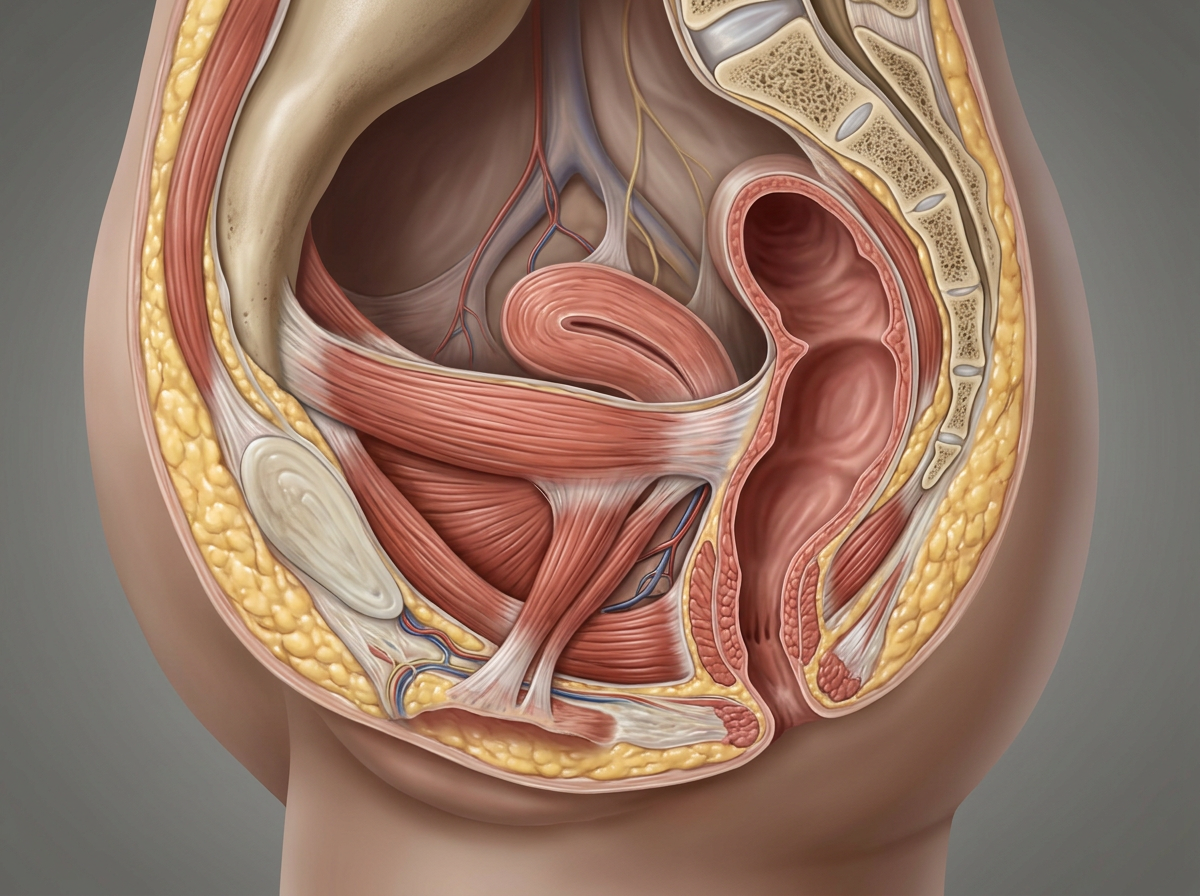
Dyssynergic defecation (DD), also known as pelvic floor dyssynergia, is a functional bowel disorder characterized by the inability to coordinate the muscles of the pelvic floor and abdomen during an attempted bowel movement. Instead of relaxing and allowing stool to pass, these muscles, particularly the puborectalis muscle and the external anal sphincters, paradoxically contract or fail to relax adequately. This creates an “outlet obstruction,” making it difficult or impossible to evacuate stool effectively.
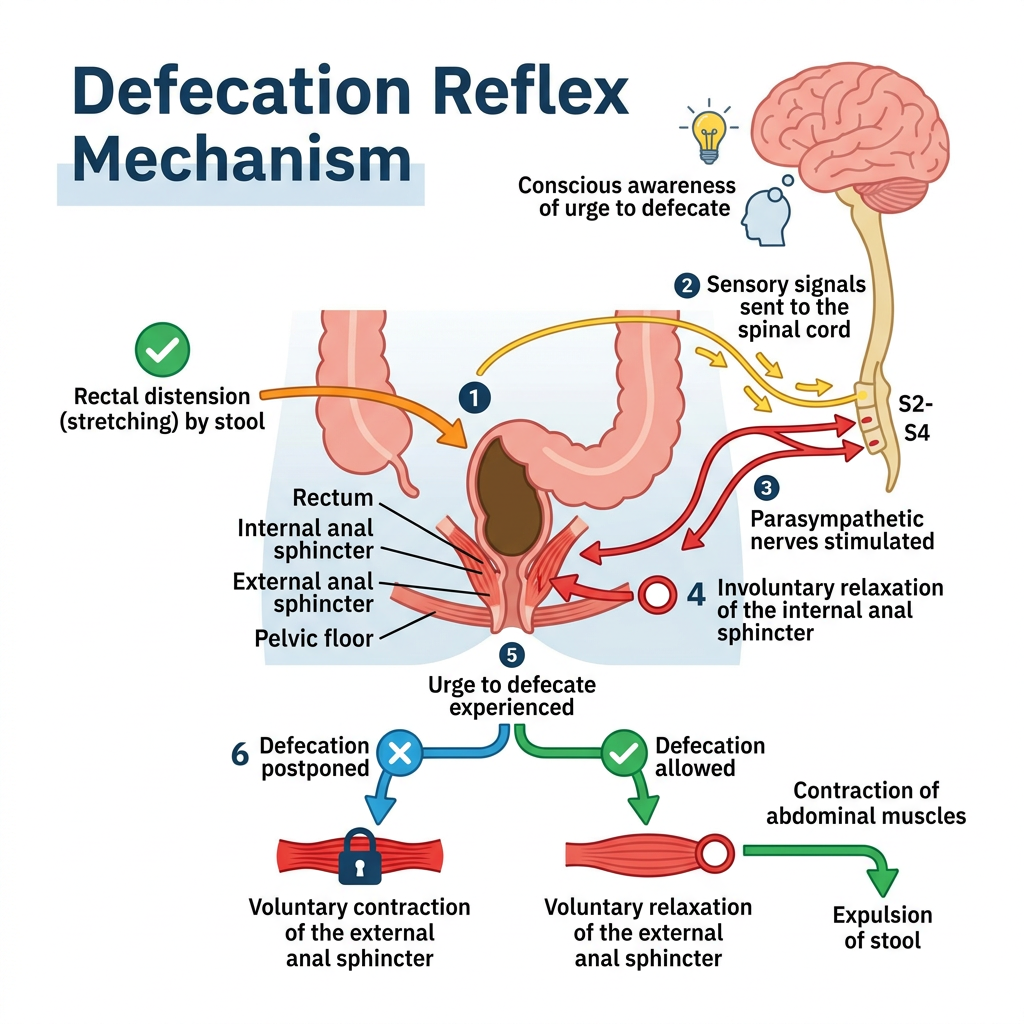
Normally, when we feel the urge to defecate, a complex reflex mechanism orchestrates the relaxation of the puborectalis muscle and anal sphincters, while the abdominal muscles contract and the rectum propels stool downwards. In dyssynergic defecation, this intricate dance is disrupted. The puborectalis muscle, which forms a sling around the rectum and maintains the anorectal angle, might tighten instead of loosening. Simultaneously, the anal sphincters, which normally open, might remain constricted. This impaired relaxation and paradoxical contraction create a functional blockage, despite the absence of any physical obstruction.
Another significant factor often observed in individuals with dyssynergic defecation is rectal hyposensitivity. This means there’s a decreased sensation in the rectum, leading to a reduced awareness of stool presence or the urge to defecate. This can result in stool accumulating in the rectum, becoming harder, and exacerbating the difficulty of evacuation. Studies indicate that at least half (50-60%) of patients diagnosed with dyssynergic defecation also exhibit evidence of this decreased rectal sensation. When the body doesn’t receive the proper signals, the natural defecation reflex mechanism, which relies on sensory input, cannot initiate correctly, further contributing to impaired propulsion.
Primary Mechanisms Behind Outlet Obstruction
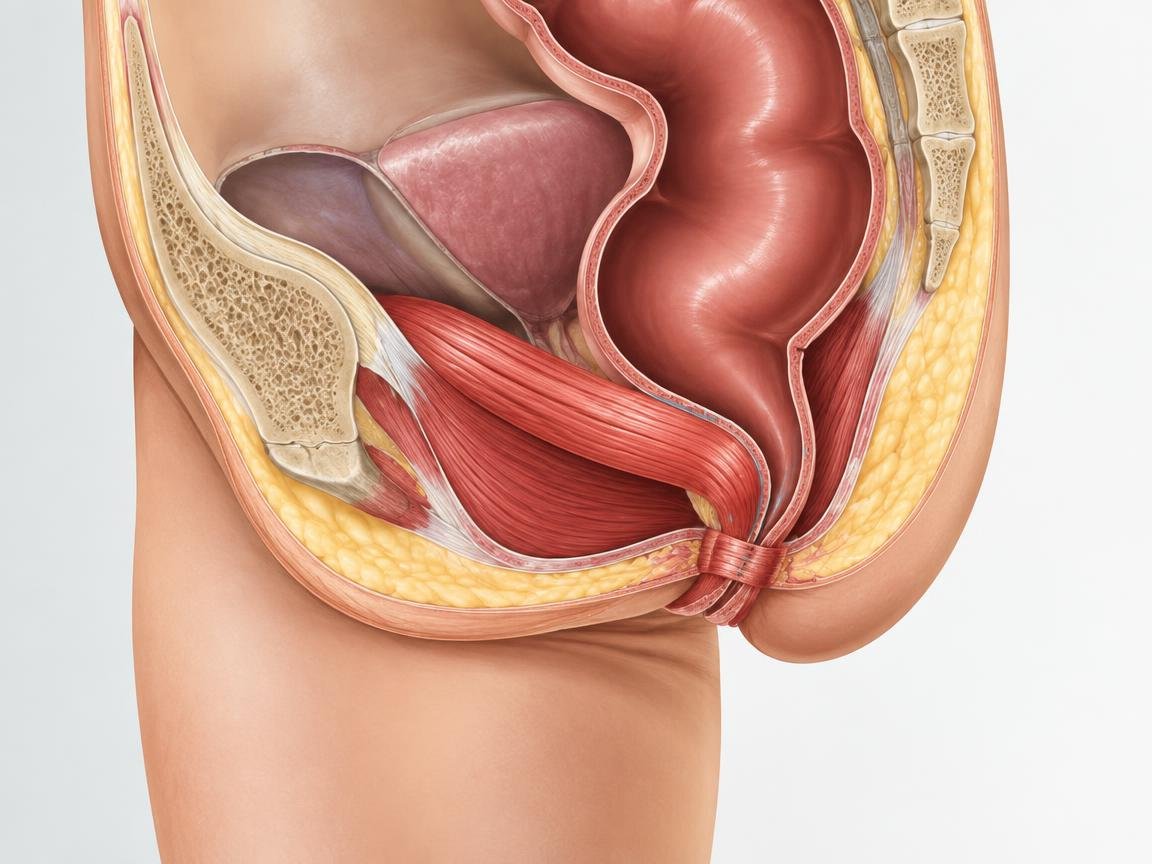
The core issue in dyssynergic defecation is a complex rectoanal dyssynergy, a discoordination between the rectum and the anal sphincter muscles. During normal defecation, intra-abdominal pressure increases, the puborectalis muscle relaxes, and the anorectal angle straightens, facilitating the passage of stool. However, in DD, this coordinated effort fails. Patients may increase abdominal pressure by straining, but instead of aiding evacuation, this effort is met with resistance from a tightened pelvic floor. The anorectal angle, crucial for smooth stool passage, fails to open sufficiently, or may even become more acute due to paradoxical contraction of the puborectalis muscle. This sustained pelvic floor tension during attempted defecation is the hallmark of the condition, leading to the sensation of incomplete evacuation and significant straining.
Alternative Clinical Terminology and Classification
Dyssynergic defecation has been known by several names throughout its history, reflecting evolving understanding of the condition. Terms like “anismus,” “pelvic floor dyssynergia,” “obstructive defecation syndrome,” “spastic pelvic floor,” and “paradoxical puborectalis contraction” have all been used. While “anismus” was once common, some experts now consider it less appropriate as it historically carried connotations of psychogenic causes, which are not consistently supported by research as the primary driver of the physical dysfunction. “Pelvic floor dyssynergia” is a broader term that encompasses various pelvic floor muscle coordination issues, not just those related to defecation. “Obstructive defecation syndrome” (ODS) is an umbrella term that includes DD but also covers structural causes of outlet obstruction, such as rectocele or rectal prolapse. However, “dyssynergic defecation” is widely favored by gastroenterologists today because it precisely describes the physiological problem: a lack of coordination (dyssynergia) in the muscles involved in the act of defecation. This clarity in terminology helps in accurate diagnosis and targeted treatment strategies.
Key Causes and Trigger Factors for Defecation Disorders
The precise Dyssynergic Defecation Causes are often multifactorial and can vary significantly among individuals. While it is considered an acquired behavioral disorder, meaning it develops over time rather than being present from birth, a clear trigger isn’t always identifiable.
One significant finding from research is the varied onset of the condition. A study involving 118 individuals with dyssynergic defecation revealed that 31% developed the problem during childhood. This suggests that early life experiences or habits might play a role, potentially including inappropriate learning of defecation patterns or chronic constipation from a young age. Another 29% reported developing the condition after a specific occurrence, such as childbirth, a traumatic injury (like a back injury), or even surgery. These events can directly impact the pelvic floor muscles or nerves, leading to dysfunction. Interestingly, for a substantial 40% of patients, no obvious cause or trigger could be identified, indicating that the condition can arise insidiously in adulthood.
Beyond these developmental timelines, several factors are believed to contribute to the development of dyssynergic defecation:
- Poor toileting habits: Chronic straining, delaying bowel movements, or adopting unhelpful postures can disrupt the natural defecation reflex over time.
- Nervous system dysfunction: Issues with the nerves that control the pelvic floor muscles or the gut-brain axis can impair coordination and sensation. Reduced rectal sensitivity (rectal hyposensitivity) is a common finding, where the rectum doesn’t signal the brain effectively about the presence of stool.
- Psychological stress and anxiety: While not a direct cause, chronic stress, anxiety, or even a history of trauma (such as sexual abuse) can contribute to learned muscle tension in the pelvic floor, making relaxation difficult. This can create a vicious cycle where anxiety about defecation exacerbates the physical difficulty.
- Other gastrointestinal conditions: Conditions like Irritable Bowel Syndrome with Constipation (IBS-C) or slow transit constipation can coexist with or contribute to the development of dyssynergic defecation. Chronic constipation itself, regardless of its initial cause, can lead to excessive straining, which in turn can exhaust or retrain pelvic floor muscles incorrectly.
Understanding these varied Dyssynergic Defecation Causes is crucial for both diagnosis and effective management. Recognizing that the condition can stem from a range of factors, from early learning to physical events or even no clear trigger, helps healthcare providers tailor treatment plans.
Structural vs Functional Etiologies
When addressing difficulties with defecation, distinguish between structural and functional etiologies. Structural problems involve physical abnormalities that impede stool passage. Examples include a rectocele (a bulging of the rectum into the vagina), rectal prolapse (where the rectum protrudes outside the anus), or enterocele (small bowel herniation). These conditions create a mechanical obstruction, often requiring surgical intervention to correct the anatomical defect.
In contrast, dyssynergic defecation is primarily a functional constipation disorder. This means there’s no physical blockage; rather, the problem lies in the coordinated function of the muscles and nerves. The defecation mechanism itself is dysfunctional. While DD is functional, it can sometimes coexist with structural issues. For instance, chronic straining due to unaddressed dyssynergic defecation can, over time, contribute to the development of structural problems like rectocele or hemorrhoids.
The gut-brain axis plays a significant role in functional bowel disorders like dyssynergic defecation. This bidirectional communication system links the central nervous system with the enteric nervous system of the gut. Disruptions in this axis can affect gut motility, sensation, and the coordination of pelvic floor muscles, contributing to the development or exacerbation of functional defecation disorders. Therefore, effective management often requires addressing both the physical muscle discoordination and any underlying neurological or psychological factors influencing the gut-brain connection.
Modern Approaches in Gastroenterology Care for Chronic Evacuation Disorders
Diagnosing dyssynergic defecation requires a comprehensive approach, as its symptoms often overlap with other forms of chronic constipation. Our diagnostic pathway typically begins with a detailed medical history and a thorough physical examination, including a digital rectal examination (DRE). The DRE is a valuable bedside screening tool; an expert can detect dyssynergic defecation in approximately 80% of patients and it has a high positive predictive value of 97% for identifying dyssynergia. However, it’s important to note that not all healthcare providers are adequately trained in its nuanced application for this specific diagnosis.
Following the initial assessment, several specialized tests are crucial for confirming the diagnosis and ruling out other conditions:
- Anorectal Manometry (ARM): This is a cornerstone diagnostic tool. It involves inserting a thin, flexible tube with pressure sensors into the rectum and anal canal. It measures the strength of the anal sphincter muscles, rectal sensation, and, most importantly, the coordination between the rectum and anal sphincters during simulated defecation. High-resolution anorectal manometry (HR-ARM) provides even more detailed pressure mapping, allowing for classification of specific dyssynergic patterns.
- Balloon Expulsion Test (BET): This simple test measures the time it takes for a patient to expel a balloon filled with 50-60 mL of water or air from the rectum. A prolonged expulsion time (typically over 60 seconds) is indicative of dyssynergic defecation, as it reflects impaired pelvic floor relaxation.
- Defecography (or MR Defecography): This imaging study provides a dynamic view of the anorectum and pelvic floor during defecation. Barium paste is inserted into the rectum, and X-ray video (or MRI in MR defecography) captures the changes in the anorectal angle, pelvic floor descent, and the presence of any structural abnormalities (like rectocele or rectal prolapse) as the patient attempts to expel the paste.
- Colonic Transit Study (Sitz Marker Study): While not directly diagnosing dyssynergic defecation, this test helps determine if slow transit constipation (where stool moves too slowly through the colon) is also present. Patients swallow capsules containing radiopaque markers, and X-rays are taken over several days to track their movement through the colon. This helps differentiate between pure outlet obstruction and more generalized motility issues.

Diagnostic Testing: Manometry vs Imaging Modalities
When diagnosing dyssynergic defecation, both anorectal manometry and dynamic defecography offer unique insights. They are often used in conjunction to provide a comprehensive picture of anorectal function.
Feature Anorectal Manometry (ARM) Dynamic Defecography (Conventional or MRI) Purpose Measures pressures, muscle coordination, rectal sensation Visualizes anatomical changes and dynamics during defecation What it detects Anal sphincter strength, rectal compliance, rectoanal reflex, paradoxical contraction, impaired relaxation, rectal hyposensitivity Anorectal angle changes, pelvic floor descent, rectocele, rectal intussusception/prolapse, enterocele Method Pressure-sensing catheter inserted into rectum and anus Barium paste inserted into rectum; X-ray or MRI imaging during attempted defecation Key Advantage Quantifies muscle function and coordination; identifies specific dyssynergic patterns Provides anatomical and structural information; dynamic visualization of pelvic floor Limitations Does not directly visualize anatomical defects; can be uncomfortable for some patients Exposure to radiation (conventional); cost and availability (MRI); may not capture subtle functional discoordination as precisely as ARM While ARM directly assesses the physiological function of the muscles and nerves involved in defecation, defecography offers a visual, dynamic assessment of the anorectal anatomy and its changes during evacuation. Combining these modalities allows gastroenterologists to accurately pinpoint the nature of the defecatory dysfunction, distinguishing between pure functional dyssynergia and coexisting structural issues that might also contribute to obstructed defecation.
Integrating Biofeedback into Gastroenterology Care Protocols
Biofeedback therapy stands out as the most effective treatment for dyssynergic defecation, with success rates reported to be as high as 80%. It is a non-pharmacological, non-invasive approach that focuses on neuromuscular re-education and sensory retraining. The goal is to help patients regain control over their pelvic floor muscles and learn to coordinate them correctly during defecation.
During biofeedback sessions, sensors (either external surface electrodes or internal probes) are used to monitor muscle activity in the pelvic floor and anal sphincters. This information is then displayed in real-time on a computer screen, often as graphs or visual cues, allowing the patient to “see” their muscle contractions and relaxations. A trained therapist guides the patient through exercises, teaching them:
- Proper muscle relaxation: Learning to consciously relax the puborectalis muscle and anal sphincters during simulated defecation.
- Coordinated pushing: Practicing how to effectively use abdominal pressure while simultaneously relaxing the pelvic floor.
- Diaphragmatic breathing: Incorporating deep belly breathing to facilitate optimal abdominal pressure and pelvic floor relaxation.
- Rectal sensation awareness: For those with rectal hyposensitivity, exercises can help improve their awareness of rectal filling and the urge to defecate.
Typically, biofeedback therapy involves 4 to 6 sessions, each lasting 30 to 60 minutes, performed once or twice a week. The success of biofeedback often depends on patient commitment and consistent practice of home exercises. Advances in technology are also leading to the development of in-home biofeedback devices, which could significantly improve access to this highly effective treatment, allowing more individuals to achieve long-term relief from dyssynergic defecation.
Evidence-Based Treatment and Long-Term Management
Beyond specialized diagnostic tools, the treatment and long-term management of dyssynergic defecation integrate various evidence-based strategies, with a strong emphasis on behavioral and physical therapies.
Pelvic Floor Physical Therapy (PFPT): Often delivered in conjunction with biofeedback, PFPT involves a specialized physical therapist who works directly with the patient. This can include manual therapy to address muscle tension, stretching, strengthening exercises for supporting core muscles, and education on proper body mechanics and toileting postures. PFPT aims to optimize overall pelvic floor health and function, which is critical for effective defecation.
Botulinum Toxin Injections: For some individuals with severe, refractory dyssynergic defecation that doesn’t respond to biofeedback, experimental use of Botox injections into the anal sphincter muscles has been explored. The goal is to temporarily relax these muscles, reducing paradoxical contraction. While some studies show about a 50% success rate, particularly in children, it is generally considered a temporary measure and not a first-line treatment.
Lifestyle Modifications: These are foundational for managing chronic constipation, including DD:
- Dietary Fiber: Increasing dietary fiber intake to 25-30 grams per day helps soften stool and add bulk, making it easier to pass. This should be accompanied by adequate fluid intake.
- Fluid Intake: Drinking more than 2 liters of water daily is crucial to prevent stool hardening.
- Regular Exercise: Physical activity promotes gut motility and overall well-being, which can indirectly aid bowel function.
- Timed Toileting and Proper Habits: Establishing a routine, such as attempting a bowel movement 30 minutes after a meal, can help leverage the gastrocolic reflex. Adopting a squatting-like position (e.g., using a footstool) can also optimize the anorectal angle. Crucially, patients are taught to avoid excessive straining (no more than 5 minutes at 50-70% effort) and to respond promptly to the urge to defecate.
By combining these strategies, individuals with dyssynergic defecation can achieve significant improvement in symptoms and quality of life.
When to Seek Specialized Gastroenterology Care for Persistent Constipation
It’s natural to experience occasional constipation, often remedied with simple lifestyle adjustments. However, persistent or unusual bowel symptoms warrant prompt consultation with a healthcare provider, especially a specialist in gastroenterology. You should seek specialized care if you experience:
- Chronic constipation that doesn’t respond to conventional treatments: If increasing fiber, fluids, and over-the-counter laxatives fail to provide consistent relief, it’s a sign that an underlying issue like dyssynergic defecation might be present.
- Excessive straining during bowel movements: This is a key symptom of DD and can lead to complications like hemorrhoids, anal fissures, or even rectal prolapse.
- A feeling of incomplete evacuation: If you consistently feel that you haven’t fully emptied your bowels after a movement, it suggests an obstruction or coordination problem.
- Need for digital maneuvers: If you find yourself needing to use your fingers to help pass stool (digital evacuation) or press on your perineum or vagina (vaginal splinting), it’s a strong indicator of an outlet obstruction, often due to DD.
- Refractory symptoms: Any persistent, troubling bowel symptoms that significantly impact your quality of life, including abdominal pain, bloating, or a fear of defecation, should be evaluated by an expert.
Dyssynergic defecation can go undiagnosed for years, with patients often suffering for an average of 5-10 years before receiving an accurate diagnosis. Early diagnosis by a specialized gastroenterologist means earlier access to effective treatments like biofeedback therapy, leading to better outcomes and preventing potential complications.
Frequently Asked Questions about Dyssynergic Defecation and Gastroenterology Care
How does dyssynergic defecation differ from standard constipation?
Standard chronic constipation can be broadly categorized into two main types: slow transit constipation and normal transit constipation. Slow transit constipation occurs when stool moves too slowly through the colon, leading to infrequent bowel movements. Normal transit constipation, also known as functional constipation, involves symptoms of constipation without evidence of slow transit or outlet obstruction, often linked to lifestyle or diet.
Dyssynergic defecation, however, is a specific form of outlet dysfunction. While it results in chronic constipation, the underlying problem isn’t necessarily slow movement through the entire colon (though it can coexist with slow transit). Instead, the issue lies at the “exit door”—the pelvic floor muscles fail to relax or even paradoxically contract during attempted defecation. This means the problem is with the mechanics of rectal evacuation, even if stool has reached the rectum normally. Patients with DD often report excessive straining, a feeling of incomplete evacuation, and the need for manual assistance, symptoms less typical of other forms of constipation.
What is the success rate of biofeedback therapy for pelvic floor dyssynergia?
Biofeedback therapy is widely recognized as the most effective treatment for pelvic floor dyssynergia (dyssynergic defecation). Research and clinical experience indicate a high success rate, with symptom improvement reported in up to 80% of patients. This impressive efficacy stems from its ability to directly address the core problem: neuromuscular discoordination. Through muscle retraining, patients learn to consciously relax their pelvic floor muscles and coordinate them with abdominal pressure during defecation. This leads to improved neuromuscular coordination and often, long-term remission of symptoms. Biofeedback also helps in sensory retraining for those with rectal hyposensitivity, further enhancing its effectiveness. It’s considered superior to other conservative treatments like laxatives alone, dietary modifications, or general exercise for this specific condition.
Can dyssynergic defecation be resolved without surgical intervention?
Yes, dyssynergic defecation can almost always be resolved without surgical intervention. As a functional disorder of muscle coordination, it responds exceptionally well to conservative management strategies. The primary and most effective treatments are non-surgical, focusing on behavioral and physical therapies. These include:
- Biofeedback therapy: The cornerstone treatment, retraining muscle coordination.
- Pelvic floor physical therapy: Addressing muscle tension, strengthening, and proper mechanics.
- Behavioral modification: Implementing healthy toileting habits, dietary adjustments (fiber and fluids), and regular exercise.
Surgery is rarely indicated for dyssynergic defecation itself. Surgical procedures for obstructed defecation are typically reserved for structural issues, such as a significant rectocele or rectal prolapse, which are anatomical defects rather than functional muscle discoordination. Even in cases where structural issues coexist, addressing the dyssynergia through biofeedback is often crucial for a successful long-term outcome.
Conclusion
Dyssynergic defecation represents a significant, yet often underdiagnosed, cause of chronic constipation. It is a condition rooted in the intricate neuromuscular coordination of the pelvic floor and abdominal muscles during defecation. Understanding the varied Dyssynergic Defecation Causes, from developmental factors and physical trauma to nervous system dysfunction and psychological stress, is paramount for accurate diagnosis and effective treatment.
Our commitment to advancing specialized gastroenterology care means we prioritize a comprehensive diagnostic pathway, utilizing tools like anorectal manometry and defecography to precisely identify the underlying mechanisms. The good news is that dyssynergic defecation is highly treatable. Biofeedback therapy, a non-invasive and highly effective method of neuromuscular re-education, offers significant relief for the majority of patients. Combined with pelvic floor physical therapy, lifestyle adjustments, and proper toileting habits, individuals can regain control over their bowel function and dramatically improve their quality of life. Early diagnosis and personalized therapy are key to achieving optimal clinical outcomes and moving beyond the frustration of chronic constipation.
