


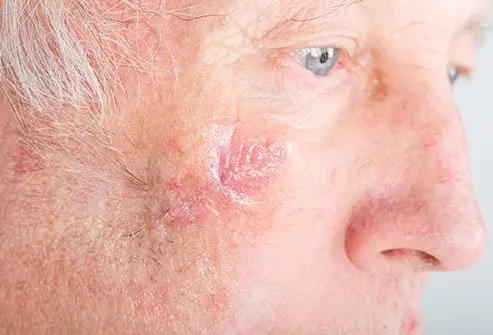
Mohs surgery treats skin cancer by removing thin layers of affected skin and examining each layer under a microscope. The procedure continues until no cancer cells remain in the removed tissue. Surgery focuses on removing cancer while preserving as much healthy skin as possible, which makes it useful for certain skin cancers and specific treatment locations.
Understanding Mohs Surgery
Mohs surgery is also called Mohs micrographic surgery. The procedure uses a layer-by-layer removal process, and a microscope helps guide the surgeon during treatment. Local anesthesia numbs the area, so the patient does not feel pain during the procedure. Most people return home after surgery because the procedure does not require a hospital stay. The goal is to remove the cancer completely while limiting damage to nearby healthy tissue.
Procedures includes removing visible cancer and a thin layer of surrounding tissue. The removed tissue goes to a nearby laboratory, where it is examined under a microscope. A tumor map tracks the location of each tissue section, and the surgeon removes additional layers if cancer remains. The process continues until the final sample shows no remaining cancer.
Treating Skin Cancers
Mohs surgery treats several types of skin cancer. The procedure commonly treats basal cell carcinoma and squamous cell carcinoma, and it also treats melanoma and other less common skin cancers. A surgeon uses the procedure when precise cancer removal and tissue preservation are needed.
When performed by an experienced, fellowship-trained surgeon, surgery has a success rate greater than 99% for treating skin cancer. The procedure uses a microscope and tumor map to guide removal, which helps the surgeon identify cancer cells while preserving healthy skin around the treatment area.
Identifying Treatment Needs
Certain cancer characteristics make Mohs surgery a suitable option. The procedure treats skin cancers that have a higher risk of returning or those that return after previous treatment. It also works well for cancers located in areas where preserving healthy tissue matters, such as the eyes, ears, nose, mouth, hands, feet and genitals.
Surgery also addresses cancers with unclear edges and tumors that are large or growing quickly. These factors help surgeons determine when the procedure provides an appropriate treatment approach. The decision depends on the location and features of the skin cancer.
Repairing Treatment Areas
After Mohs surgery removes all cancer cells, the wound requires closure or healing care. The surgeon and patient select a repair method based on the size and complexity of the area. Some wounds heal without additional procedures, while others require stitches, nearby skin movement or a skin graft.
The repair process follows the cancer removal portion of the procedure. Since surgery examines tissue during treatment, the surgeon knows when cancer remains or when the final sample is clear. This process supports precise removal while maintaining surrounding healthy tissue.
Schedule a Skin Evaluation
Mohs surgery provides a method for treating certain skin cancers through controlled tissue removal. The procedure examines each layer during treatment, and the process continues until no cancer remains. Contact a dermatology provider to discuss a skin cancer evaluation and determine whether surgery fits the diagnosis.
