


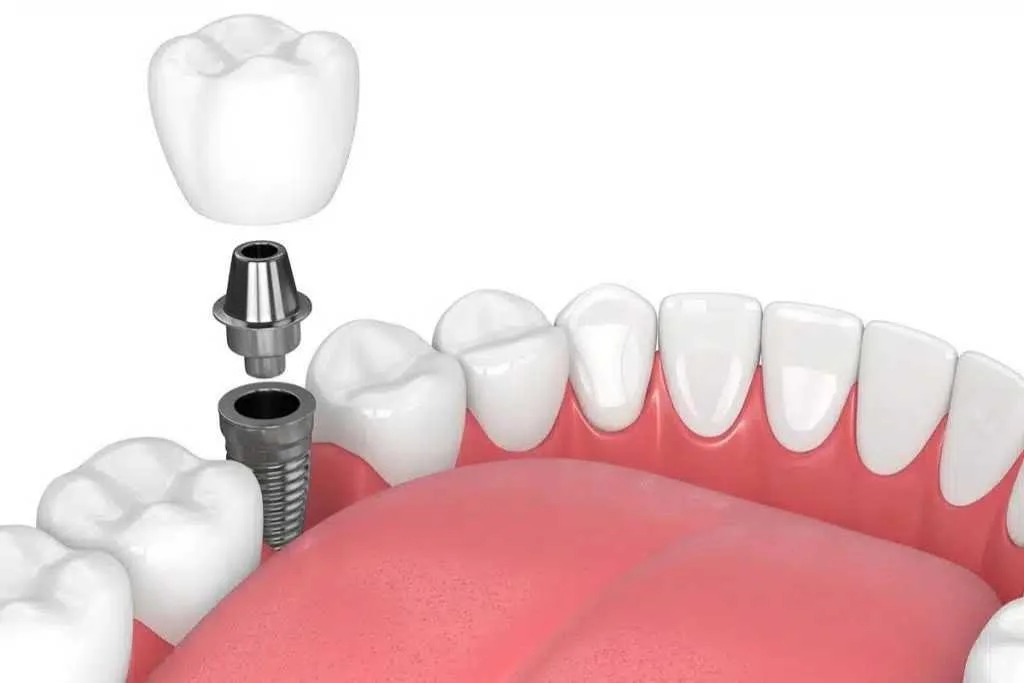
Dental restorations are treatments that repair or replace damaged, decayed, or missing teeth. Each restoration type serves a specific purpose, and the right choice depends on the condition of your teeth and gums. Some common restorations are fillings, crowns, bridges, dentures, and dental implants. Dental implants may be recommended when one or more natural teeth are missing and the surrounding bone can support a replacement. Here’s more information on dental implants and how long they last:
How Are They Placed?
A dental implant procedure typically happens over several appointments. During the first visit, your dentist examines your mouth, reviews imaging, and confirms that you are a candidate for dental implants. The implant itself is a small post, often made of titanium, that is inserted into the jawbone to act as an artificial tooth root. Your dentist numbs the area before placement, and the post is positioned where your missing tooth once was.
What Is Osseointegration?
After the post is set, a healing period begins before the final restoration is applied. Once healing is complete, an abutment is connected to the post, and a custom crown is placed on top. The crown is designed to match the shape and color of your surrounding teeth.
Without osseointegration, the dental implant would lack the support needed to hold a crown. Osseointegration is the process in which the jawbone fuses with the surface of the implant post. This connection creates a stable foundation that allows the implant to function similarly to a natural tooth root. Recovery times vary from person to person, as some individuals may need more than one implant. Many patients experience some swelling or tenderness in the days after placement, but these effects usually decrease within a week.
The full osseointegration process takes several months, as the bone gradually bonds with the artificial post. During this healing period, your dentist will provide guidance on eating, cleaning, and caring for the treatment area. Following these personalized instructions supports a smoother recovery. Your dentist will schedule follow-up visits to monitor progress before attaching the final crown restoration.
How Long Do Implants Last?
The longevity of a dental implant depends on several factors, including:
- Your Oral Hygiene
- Your Overall Health
- Your Lifestyle Habits (Such as Smoking)
An implant post is designed to be a long-term solution, and with proper care, many implants remain functional for 10 to 30 years. The crown attached to the implant may have a different lifespan than the post itself.
Crowns can experience wear over time, and some may eventually need replacement even when the underlying post remains secure. Regular dental checkups allow your dentist to evaluate the post and the crown, which support your daily brushing and flossing efforts. Daily oral hygiene habits help keep the area around your implant clean and reduce plaque buildup. Consistent care and routine visits support the implant’s ongoing stability.
Get Dental Implants
Dental implants involve a post placement, a healing period, and a final crown that restores the appearance and function of the tooth. To determine if an implant is appropriate for your needs, schedule a consultation with a dentist near you. During this appointment, your dentist can assess your oral health, review your options, and explain what the process would involve for your specific situation. This conversation gives you the information you need to make an informed decision. Contact a specialist today to learn more about implants and how they may fit into your treatment plan.
