


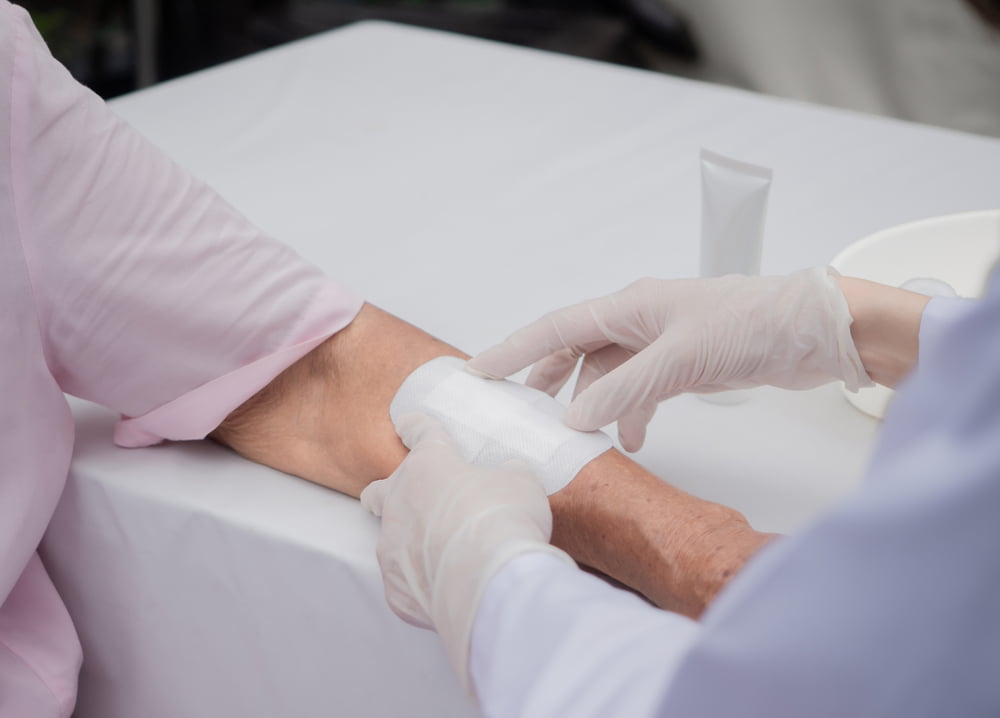
Patient education in wound care management may teach patients how to follow care protocols, and professionals will address complications. Informed patients are better equipped to support their recovery, reduce infection risk, and prevent wound deterioration, which makes education a key component of effective wound care outcomes. Here is more information on patient education:
What Are Different Wound Types?
Wounds are clinically classified into distinct categories based on their etiology, depth, and anticipated healing duration.
- Surgical incisions: Acute wounds created during medical procedures that typically progress through the healing phases within a predictable timeframe.
- Diabetic foot ulcers: Chronic lesions on the lower extremities associated with neuropathic and vascular complications from diabetes.
- Pressure injuries: Localized damage to the skin and underlying soft tissue, typically occurring over bony prominences due to sustained pressure.
Accurately identifying the specific wound type is the primary step in determining the appropriate clinical intervention and wound care management plan.
What Is Wound Care Management?
Wound care management is the clinical process of assessing, treating, and monitoring wounds, which promotes healing and helps prevent complications. It encompasses a range of interventions, from cleaning and dressing a wound to managing infection and addressing the conditions that may be slowing recovery. The goal is to create an environment conducive to the body’s natural healing processes. This process is not limited to clinical settings; some care occurs in patients’ homes, which is why patient involvement matters.
What Does Patient Education Involve?
Patient education is a structured process, and it begins at the time of diagnosis or treatment. It covers the nature of the wound, the steps involved in care, and what to expect during healing. Although some wounds heal without complications, patients may be taught how to clean the wound, apply dressings, and recognize warning signs such as increased redness, swelling, or discharge.
Education is tailored to the individual, as each patient’s wound type and circumstances require a different approach. A patient managing a post-surgical wound will receive different instructions than someone caring for a pressure injury. The method of delivery also varies; verbal explanations, written materials, and demonstrations may be used. Caregivers or family members may be included when the patient requires additional support at home.
What Are the Benefits?
Structured patient education helps improve clinical outcomes in wound management. When patients understand the proper protocols, they may be less likely to make procedural errors that introduce harmful bacteria. These protocols reduce the risk of secondary infections, and they also help lower hospital readmission rates.
Standardized training fosters patient self-efficacy and independence. Because structured guidance provides actionable steps, patients can gain greater control over their recovery process. Well-informed patients help reduce the overall strain on clinical resources, and they may require fewer medical visits.
Learn More About Patient Education
Patient education plays a valuable role in wound care outcomes. By understanding their wound type, following a structured care plan, and recognizing when to seek medical attention, patients become active participants in their own recovery. This knowledge supports healing, and it may reduce complications. Speak with your healthcare provider to learn more about wound care management and the educational resources available to you.
