


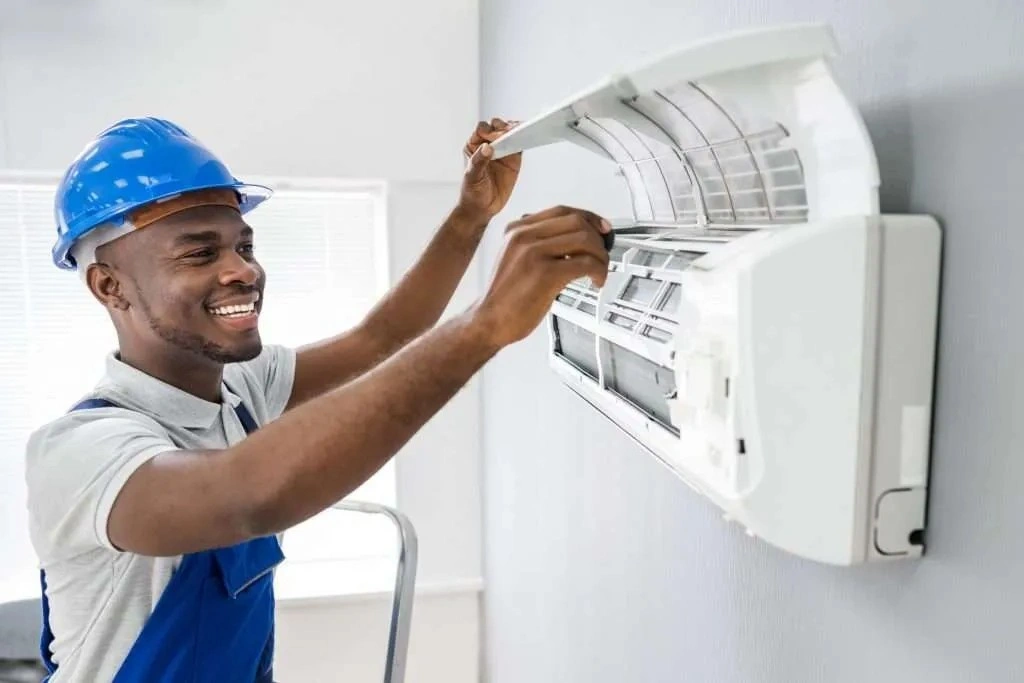
A new air conditioner requires proper installation and regular maintenance to operate as intended. Post-installation maintenance supports efficiency and equipment lifespan, while regular inspections assess components that affect system operation. Filters, ductwork, controls, refrigerant, and electrical connections also require appropriate maintenance as the system continues operating. Here are a few tips for maintaining a new system after air conditioning installation:
Schedule Regular HVAC Maintenance
Seasonal tune-ups and annual inspections provide structured opportunities to evaluate the system’s condition before performance issues affect operation. Maintenance visits typically include inspections of filters, electrical components, moving parts, and other wear items that affect system operation. Performance testing also provides valuable insight into how the system works under actual operating conditions.
Refrigerant checks help identify charge-related issues, and electrical inspections assess connection integrity and component condition. Because debris can build up on the evaporator and condenser coils, these components should also be inspected to verify proper heat transfer. These parts are necessary for keeping the home cool. After air conditioning installation, regular maintenance helps technicians monitor the system’s condition over time. Seasonal service allows technicians to check refrigerant levels and electrical connections as system use changes; this helps identify potential issues before they affect performance.
Replace Air Filters Regularly
Air filters affect airflow because accumulated dust and debris restrict air from passing through the filter. Clogged filters reduce airflow and efficiency, so regular replacement helps maintain proper system operation. Filter condition also indicates whether the system is receiving adequate airflow. Filter replacement timing depends on the filter type, indoor air quality, and system usage rather than a fixed schedule. Heavily loaded filters require closer monitoring because accumulated debris restricts airflow and reduces system efficiency. Filters that become dirty unusually quickly also require attention, and rapid debris buildup often points to issues within the ductwork.
Inspect and Maintain Ductwork
Central air conditioning systems use ductwork to distribute conditioned air throughout the home. Proper ductwork installation supports the intended airflow through the system after air conditioning installation. Leaks, blockages, and damaged sections restrict airflow even when the air conditioner continues to operate.
Properly sealed and insulated ducts also reduce air loss as conditioned air moves through the system. When airflow remains low, technicians inspect the ductwork for leaks, blockages, and other distribution issues. Stale or musty odors and quickly soiled filters also point to ductwork that requires attention.
Duct cleaning removes accumulated dirt from the interior surfaces of the ducts, while minor leaks require targeted repairs. Significant duct damage often requires section replacement, whereas smaller leaks typically require localized repairs. Regular ductwork inspections help identify distribution problems before they affect overall system performance.
Address Repairs Early
New air conditioning systems require prompt attention when cooling or airflow problems arise. Warm air often signals a cooling issue; weak airflow points to a restriction within the distribution system. Refrigerant leaks, frozen evaporator coils, thermostat faults, clogged drains, and electrical problems also require professional diagnosis and repair. Because similar symptoms often involve different components, technicians diagnose the system before recommending a specific repair. A blocked condensate drain often shuts the system down, and prolonged blockage can result in water damage. Electronic control issues sometimes stem from frequent cycling or corroded wiring, so technicians inspect the controls and electrical connections. Prompt repairs address the underlying fault and help restore consistent cooling performance.
Schedule Air Conditioning Installation
Professional HVAC maintenance includes the inspections needed to assess system performance and component condition. Duct cleaning and repairs address airflow restrictions and buildup that regular filter changes do not remove. Repair services diagnose cooling, airflow, drainage, thermostat, and electrical problems, while technicians address the source of the issue. Schedule the right HVAC service to keep the system operating reliably after air conditioning installation.
