


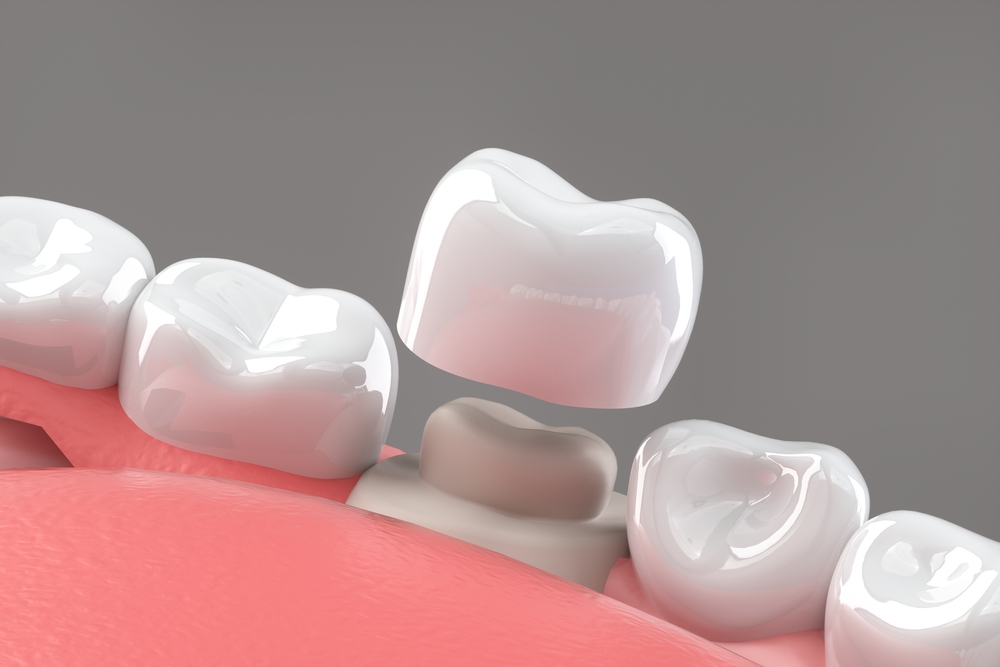
Crowns are dental restorations that cover and protect teeth weakened by decay, fractures, large fillings, or root canal treatment. They may also restore the shape, function, and appearance of damaged or severely worn teeth. Here are several situations in which dental crowns may be necessary:
Restoring Damaged Teeth
A tooth can crack, chip, or break from injury, biting hard objects, or normal wear over time. When damage weakens the structure, crowns cover and hold the tooth together; this helps you chew and speak with more comfort. Here are several types of damage that may lead a dentist to recommend a crown:
- Cracks that reach below the surface: A crown covers the tooth and reduces the chance of the crack spreading.
- Large chips near the biting edge: A crown rebuilds the shape so the tooth functions normally again.
- Worn-down teeth from grinding: A crown restores height and creates an even bite.
Understanding the specific reasons for needing a crown can help you make informed decisions about your dental care and maintain long-term oral health.
Treating Extensive Decay
Decay starts small, but it can spread deep into a tooth when left untreated. A filling handles minor cavities, but crowns become the better choice when decay has removed too much of the natural tooth. The dentist clears the decayed area, shapes what remains, and places a crown to restore full function.
When decay reaches an advanced stage, a root canal may come first, and a crown then seals and protects the treated tooth. This sequence keeps the tooth in place instead of removing it, and it supports normal chewing afterward. Your dentist will examine the extent of the decay before deciding whether a crown is the right step.
Protecting Treated Teeth
After certain dental procedures, a tooth may become fragile and need extra support. A root canal, for instance, removes the inner pulp, and this can leave the outer structure more likely to crack. A crown covers the treated tooth, distributes pressure evenly, and helps it last longer. Dentists often suggest crowns after these treatments for more protection:
- Root canal therapy: The tooth loses its internal support, so a crown shields it during daily use.
- Large fillings: A tooth with little natural structure left benefits from the full coverage a crown provides.
- Cracked tooth repair: A crown holds the pieces together and lowers stress on the weakened area.
These protective steps make sure treated teeth stay functional for as long as possible, and they reduce the need for repeat procedures.
Completing Tooth Replacement
Crowns do more than repair existing teeth because they also complete common tooth replacement methods. A dental implant, for instance, uses a titanium post placed in the jaw, and a dentist attaches a crown on top to serve as the visible tooth. This combination restores the look and function of a missing tooth.
Crowns also anchor dental bridges, which fill gaps left by one or more missing teeth. The dentist places crowns on the teeth beside the gap, and these crowns hold the bridge in position. This design spreads the biting force and keeps the surrounding teeth stable. Your dentist will review the number and location of missing teeth before recommending an implant, a bridge, or another option.
Restore Your Smile With Crowns
Crowns serve many roles in restorative dentistry, and they address a wide range of needs. They rebuild damaged teeth, treat extensive decay, protect teeth after procedures, and complete replacements like implants and bridges. A dentist examines your teeth and your specific condition before recommending a crown. To restore your smile with crowns, contact a qualified dentist near you to schedule your appointment today.
