


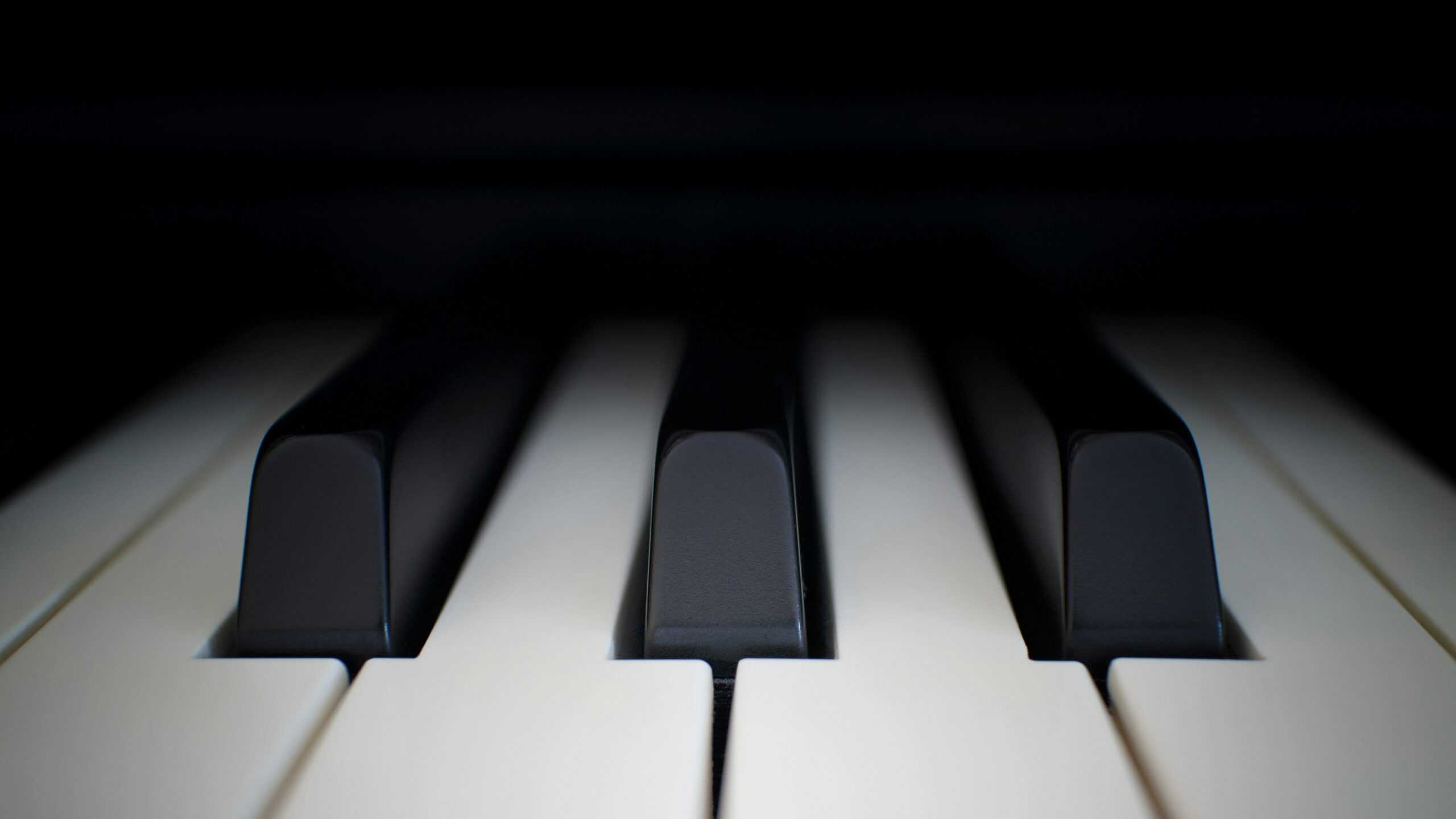
Heather Causey of South Carolina is a certified registered nurse anesthetist (CRNA) who serves at Columbus Regional Hospital in Whiteville, North Carolina, after previously working at McLeod Loris Seacoast in Loris, South Carolina. She began her nursing career as a registered nurse at Grand Strand Regional Medical Center in Myrtle Beach, South Carolina, between 2003 and 2006, before returning to complete an anesthesia program. Heather Causey is experienced in regional, general, and sedation anesthesia, as well as pediatric and geriatric anesthesia, and she performs spinals, epidurals, A-lines, and general anesthesia across the perioperative setting, including code blue emergencies. She earned her nursing degree from the Medical University of South Carolina following a pre-nursing program at Coastal Carolina University, and she is an active member of the American Association of Nurse Anesthetists, as well as the Sigma Theta Tau International Honor Society. In her free time, she enjoys playing the piano, a pastime that connects naturally to the musical topic explored below.
Piano playing involves more than pressing keys. Pedals are foot controls that alter the piano’s sound, including how long notes ring after a player releases a key. Different pedals can also affect tone, volume, articulation, and the way musical ideas connect, making them part of shaping the sound of a song rather than simply hardware beneath the instrument.
Players control piano pedals with their feet. On many pianos, the right, left, and middle pedals each have a different job. The sustain pedal is broadly consistent, while the left and especially the middle pedal can work differently on grand, upright, digital, and simpler keyboard instruments.
The right pedal is usually called the sustain pedal or damper pedal. It lets notes continue after the player releases the keys. A damper is the felt-covered part that normally stops a piano string from vibrating. When the sustain pedal lifts the dampers, the strings can keep sounding beyond the finger movement. That longer sound can change musical phrasing.
A player may use the sustain pedal to connect notes that the hand cannot easily join by touch alone. The written notes remain the same, but separate tones can continue ringing together, creating a fuller and more connected sound. Sustain also requires timing. If a player changes harmony without clearing the pedal, the older sound can overlap with the new one. The result may lose definition, especially when chords change quickly. That is why pedal use is not simply a matter of pressing down and holding the foot there.
The left pedal is often called the soft pedal. On grand pianos, it is also called the una corda pedal, a name that means “one string.” The pedal can create a gentler or more muted tone. On a grand piano, it shifts the action so the hammers strike fewer strings, while on an upright piano it reduces volume by moving the hammers closer to the strings.
The middle pedal can be more confusing because it does not always do the same thing. On many grand pianos, it is called the sostenuto pedal. Sostenuto holds selected notes that a player has already played, while that pedal leaves later notes free to sound normally. On many upright pianos, the middle pedal may instead work as a practice or muffler pedal.
Some beginner curricula introduce pedaling alongside or after foundational keyboard skills. In the Royal Conservatory’s Piano Foundations program, Level 1 covers posture, hand position, keyboard geography, and rhythm, while Level 2 adds hands-separate and hands-together playing along with the damper pedal. Pedaling adds another coordination task because the foot movement has to work with what the hands are playing. Poorly timed sustain can make the resulting sound harder to control.
Different songs can call for different pedal choices. A ballad, lyrical piece, or flowing passage may leave more room for pedal use than a passage that needs crisp separation. A player may also adjust pedal use because grand, upright, and digital pianos can respond differently, especially with the left and middle pedals.
Once a player understands the pedals, practice becomes partly an exercise in listening for releases. The player has to lift or press the pedal at the moment the music needs a new space, not simply when the hands move. That choice helps a pianist decide how long a musical idea should remain in the listener’s ear. In that way, pedaling makes the end of a note as intentional as its beginning.
About Heather Causey
Heather Causey is a certified registered nurse anesthetist (CRNA) based in South Carolina who serves at Columbus Regional Hospital in Whiteville, North Carolina, after previously working at McLeod Loris Seacoast. She began her nursing career as a registered nurse at Grand Strand Regional Medical Center in Myrtle Beach before earning her nursing degree from the Medical University of South Carolina and completing a master’s in nurse anesthesia. She is an active member of the American Association of Nurse Anesthetists and the Sigma Theta Tau International Honor Society. In her free time, she enjoys piano, Bible study, and spending time with family.
