


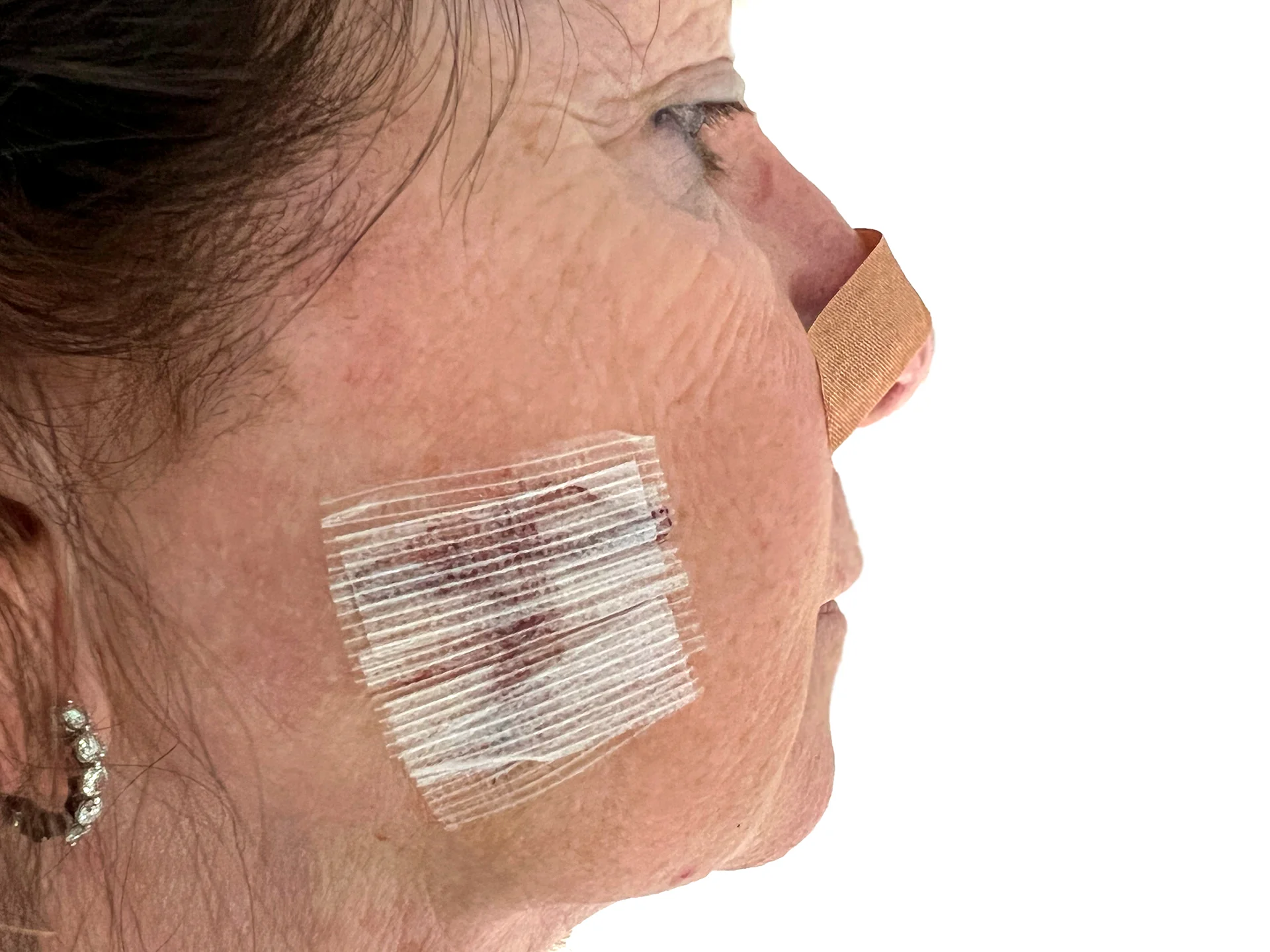
Skin cancer develops when abnormal cells grow in the skin, typically as a result of ultraviolet exposure from the sun or tanning devices. It appears in several forms, and some types grow slowly while others spread more quickly to nearby tissue. Surgery is a common treatment because removing the cancerous cells directly addresses the affected area and allows a specialist to examine the tissue that has been taken out. Doctors choose surgical methods, such as Mohs surgery, based on the type, size, and location of the cancer.
Understanding Mohs Surgery
Mohs surgery is a precise surgical technique used to remove certain types of skin cancer layer by layer; a surgeon removes thin sections of tissue and examines each one under a microscope before continuing. This step-by-step method allows the surgeon to target cancerous cells while sparing as much healthy tissue as possible. Providers prefer this approach for areas where preserving tissue matters, such as the face, ears, and hands.
Explaining the Surgical Process
Mohs surgery involves a series of steps to complete the process of removing cancerous growths from the skin:
- Anesthesia: The surgeon begins by numbing the treatment area with a local anesthetic.
- Tissue removal: A visible layer of tissue is carefully removed and marked for orientation purposes.
- Microscopic examination: The removed tissue is immediately processed and examined under a microscope to check for cancer cells.
- Targeted re-excision: If cancer cells are detected, the surgeon removes another thin layer, but only from the specific area where those cells appear.
- Waiting period: The patient waits while each sample undergoes laboratory analysis before the next round begins.
- Repeat as needed: Steps three through five are repeated until the tissue sample shows no remaining cancer cells.
- Wound closure: Once clear margins are confirmed, the surgeon addresses the wound. Depending on the size and location of the site, the wound may be closed with stitches or left to heal in another way.
- Aftercare review: The surgeon explains the closure method and reviews aftercare instructions with the patient before discharge.
Exploring the Results
Mohs surgery removes cancerous tissue in stages, so the surgeon confirms the margins during the same appointment. This immediate examination gives the patient information about the treated area before they leave the office. Patients may complete the procedure in a single visit.
The technique is associated with high cure rates of the targeted cancer because the surgeon checks each layer under the microscope. Preserving healthy tissue is another goal, and this focus can influence the appearance of the treated site after healing. Because the surgery is so precise and localized to the specific area, it may help reduce the appearance of scars in sensitive areas, such as the face and hands. Outcomes vary depending on the individual and the characteristics of the cancer.
Learn More About Mohs Surgery
Mohs surgery is a layered surgical technique that removes skin cancer while the surgeon examines each section under a microscope. The technique is commonly used to treat basal cell carcinoma and squamous cell carcinoma, and it may be pursued for certain cases of melanoma. A dermatologist can explain whether the procedure fits a specific diagnosis based on the type and location of the cancer. To learn more about Mohs surgery, consult a dermatologist near you.
