

Subscribe to Updates

    Get the latest creative news from FooBar about art, design and business.

    What's Hot

    The Best Practices for Post-Teeth Whitening Care

    September 2, 2026

    Understanding Posture and Its Impact on Health

    September 1, 2026

    The Potential of PRP in Hair Restoration Treatments

    September 1, 2026
    Facebook Twitter Instagram
    • Demos
    • Buy Now
    Facebook Twitter Instagram
    rabbitpenpulse.comrabbitpenpulse.com
    Subscribe
    • Home
    • Cardiology
    • Dentistry
    • Dermatology
    • Gynecology
    • Mental Health
    • Pain Management
    • Blog
      • Business
        • Tech
          • Gaming
          • Gear
      • Home Tips
      • Travel
      • Lifestyle
    rabbitpenpulse.comrabbitpenpulse.com
    Home»Dentistry»How To Handle a Broken Tooth Until You Can See the Dentist
    Dentistry

    How To Handle a Broken Tooth Until You Can See the Dentist

    Alice ParkerBy Alice ParkerAugust 31, 2026No Comments3 Mins Read
    Facebook Twitter Pinterest LinkedIn Tumblr Email
    How To Handle a Broken Tooth
    Share
    Facebook Twitter LinkedIn Pinterest Email

    Whether it occurs from biting down on something hard or sustaining a blow during sports, a broken tooth can happen suddenly and without warning. Knowing what to do next can make a difference during recovery. Proper care helps reduce pain, and it lowers the risk of further damage before a dental appointment. Here is more information on what a broken tooth is, what causes it, and how to manage it at home:

    What Is a Broken Tooth?

    A broken tooth refers to any damage that affects the structure of a tooth, ranging from a minor chip to a full fracture. Enamel, the outer layer of the tooth, is the hardest tissue in the body, yet it can crack under sufficient force. Some breaks affect only the surface, while others extend into deeper layers where nerves and blood vessels are located. This distinction determines the level of pain and urgency of treatment. When the break reaches the pulp, sharp pain may follow.

    Breaks vary in severity and appearance, and recognizing these differences helps patients know what to do. A small chip somtimes go unnoticed, while a large fracture may leave a jagged edge or a loose fragment. Because the extent of the damage affects how quickly a patient needs care, examining the tooth carefully after an injury guides the next steps.

    What Causes It?

    Several factors can lead to a broken tooth. Common causes include:

    • Biting into hard foods such as ice, nuts, or hard candy
    • Accidents, falls, or sports injuries that involve impact to the face or mouth
    • Large fillings that weaken the surrounding tooth structure
    • Untreated decay
    • Teeth grinding during sleep

    How Is It Handled?

    Rinsing the mouth with warm water cleans the area and removes debris. If bleeding occurs, apply gentle pressure with gauze until it stops. Apply a cold compress to the cheek to reduce swelling; this helps manage initial discomfort while preparing for professional care.

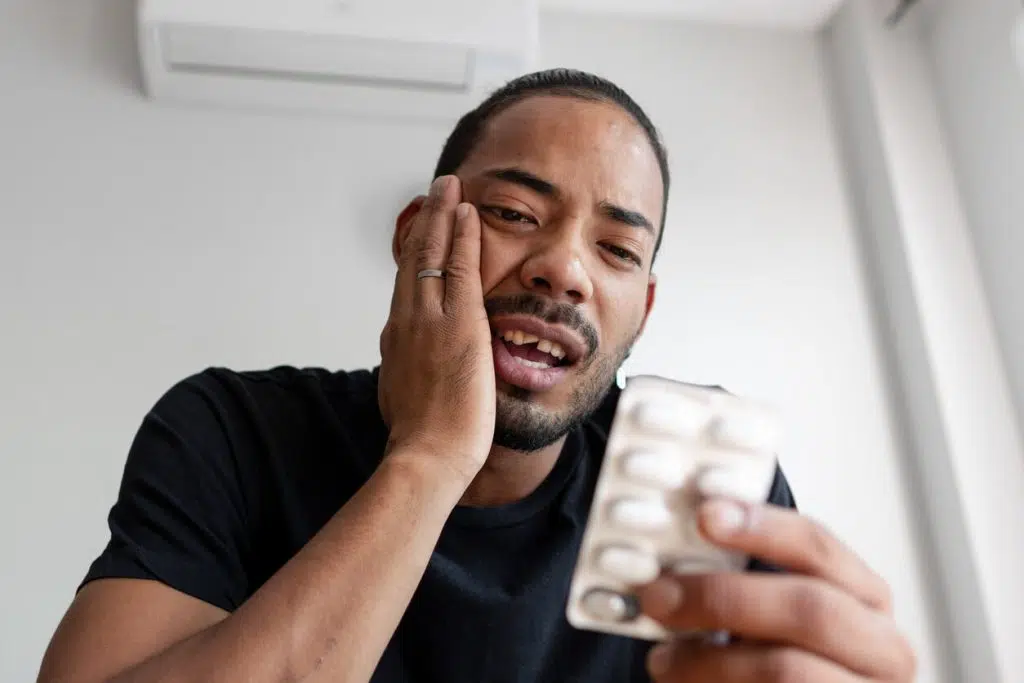
    Pain management is the next priority; an over-the-counter pain reliever can ease discomfort while waiting for a dental appointment. Avoid chewing on the affected side, and choose soft foods, as they place less strain on the tooth. Preserve any broken fragments, as a dentist may be able to reattach them in some cases. Place the fragment in a container with milk or saliva to keep it moist. Storing it correctly improves the likelihood that reattachment remains a viable option.

    Why Is Dental Care Necessary?

    Home care manages the injury temporarily, but professional treatment is necessary to address the underlying damage. A dentist can examine the tooth and take X-rays. This assessment, which determines how deep the break reaches, guides the appropriate treatment, ranging from a simple filling to a crown or root canal. Prompt attention protects both the damaged tooth and the surrounding tissue.

    Visit a Dentist Now

    A broken tooth calls for quick home care, followed by professional care as soon as possible. Rinsing the area, controlling bleeding, managing pain, and preserving fragments all help you stay comfortable until your appointment, but they do not replace professional dental treatment. If you have a broken tooth, contact your dental office today to schedule a visit.

    Share. Facebook Twitter Pinterest LinkedIn Tumblr Email
    Alice Parker
    • Website

    Related Posts

    The Best Practices for Post-Teeth Whitening Care

    September 2, 2026

    Recognizing the Signs You Need Periodontal Care

    August 21, 2026

    What To Know About Invisalign

    August 21, 2026
    Add A Comment

    Leave A Reply Cancel Reply

    Editors Picks
    8.5

    Apple Planning Big Mac Redesign and Half-Sized Old Mac

    January 5, 2021

    Autonomous Driving Startup Attracts Chinese Investor

    January 5, 2021

    Onboard Cameras Allow Disabled Quadcopters to Fly

    January 5, 2021
    Top Reviews
    9.1

    Review: T-Mobile Winning 5G Race Around the World

    By rabbitpenpulse.com
    8.9

    Samsung Galaxy S21 Ultra Review: the New King of Android Phones

    By rabbitpenpulse.com
    8.9

    Xiaomi Mi 10: New Variant with Snapdragon 870 Review

    By rabbitpenpulse.com
    Advertisement
    Demo
    rabbitpenpulse.com
    • Home
    • About Us
    • Privacy Policy
    • Disclaimer
    • Terms and Conditions
    • Contact Us
    © 2026 Rabbitpebpulse. Managed by Sohaib Ahmad SEO.

    Type above and press Enter to search. Press Esc to cancel.

    Powered by
    ►
    Necessary cookies enable essential site features like secure log-ins and consent preference adjustments. They do not store personal data.
    None
    ►
    Functional cookies support features like content sharing on social media, collecting feedback, and enabling third-party tools.
    None
    ►
    Analytical cookies track visitor interactions, providing insights on metrics like visitor count, bounce rate, and traffic sources.
    None
    ►
    Advertisement cookies deliver personalized ads based on your previous visits and analyze the effectiveness of ad campaigns.
    None
    ►
    Unclassified cookies are cookies that we are in the process of classifying, together with the providers of individual cookies.
    None
    Powered by