


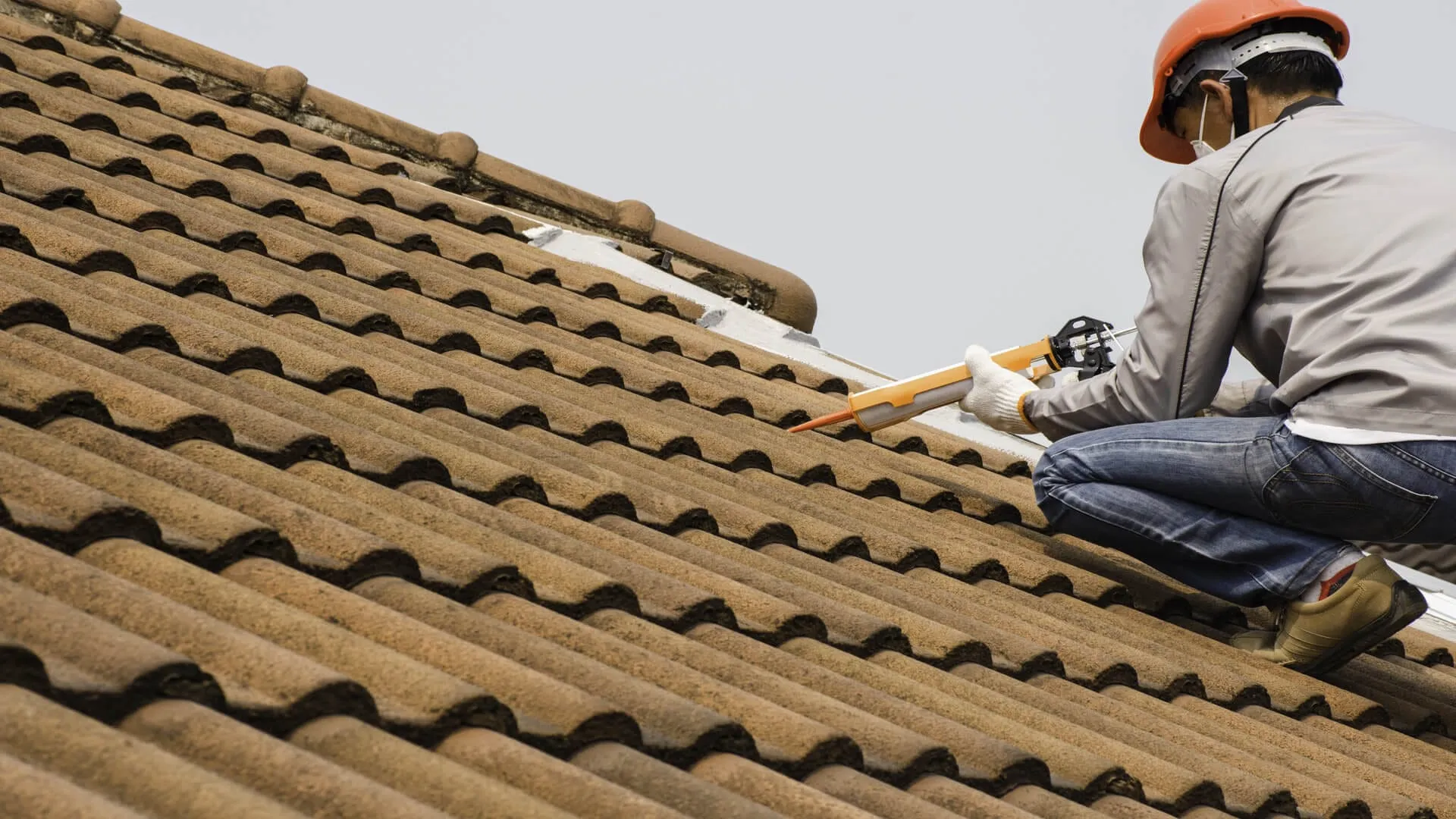
An aging roof often requires routine repairs. High winds, falling debris, heavy rain, and prolonged sun exposure can cause leaks if you don’t maintain your roof properly. Planning for long-term maintenance and roof repair extends your roof’s life, and it helps you avoid unexpected issues. Here is some information about roof repair and long-term maintenance planning:
Common Roof Repairs
Modern roofs come in a variety of materials, including asphalt shingles, clay, concrete, wood, and slate tiles, as well as metal. Regardless of the material, weather and debris can cause damage over time. Depending on the type and extent of the damage, common roof repair solutions may include:
- Replacing missing or damaged shingles
- Replacing cracked tiles
- Repairing damaged flashing
- Replacing damaged underlayment
- Tightening loose fasteners on metal roofs
- Reattaching separated metal seams
- Repairing leaks on metal roofs
Delayed repairs allow water to enter gaps in the roofing system, where moisture damages surrounding materials. High winds also put added stress on shingles when sections of the roof are already exposed. Wind pushes beneath loose or missing shingles and places pressure on the surrounding materials, while repeated exposure accelerates deterioration. An experienced roofing company addresses these problems early and restores damaged areas before the condition spreads.
Signs of Roof Damage
If you aren’t able to climb onto your roof to inspect it yourself, you may not be aware of its condition. Some signs that roof repairs are needed are evident from inside your home, such as water stains on the ceiling. Mold in the attic is another sign the roof has a leak. If your ceiling leaks when it rains, your roof likely has missing or damaged shingles or tiles. Contact a roofer if you notice any of these signs; the roofer will replace damaged or missing shingles, tighten roof screws or nails, and caulk around any seams or openings that would allow water to get under the roof. If the damage is severe, they may also recommend a roof replacement.
Long-Term Roof Maintenance
Schedule regular roof maintenance to extend its life and prevent damage to the underlying structure. During inspections, a professional roofer examines the entire area, looking for potential problems. Examples of what they are looking for include:
- Missing and loose shingles or tiles
- Cracked tiles
- Broken seals
- Nails or screws that are missing or loose
- Vents that aren’t sealed
The roofer will caulk around nails and screws to keep water out. They also inspect the gutters around the roof, since damaged or clogged gutters cause water to back up onto the roof. When water pools along the edges, it seeps beneath the shingles or tiles and weakens them over time. If the roofer finds a leak, they will explain the required repair; they also inspect the attic when the damage appears to extend inside the home.
They examine the beams and ceilings for signs of water damage that require repair or replacement. Hidden leaks remain concealed behind ceiling tiles or drywall, so they often result in more extensive damage. The attic ceiling and insulation also require replacement when prolonged moisture has caused significant deterioration. Contact a professional roofing company after a major storm, particularly when hail or high winds are involved. Hail damages roofing materials, while high winds loosen or remove shingles.
Work With a Professional Roofing Company
Choose a roofing professional familiar with your roof type and its specific maintenance requirements. An experienced roofer will assess the condition of your roof and recommend repairs or maintenance based on its needs; they also tailor their services based on your roofing material. Schedule a professional inspection today to keep your roof in good condition.
