


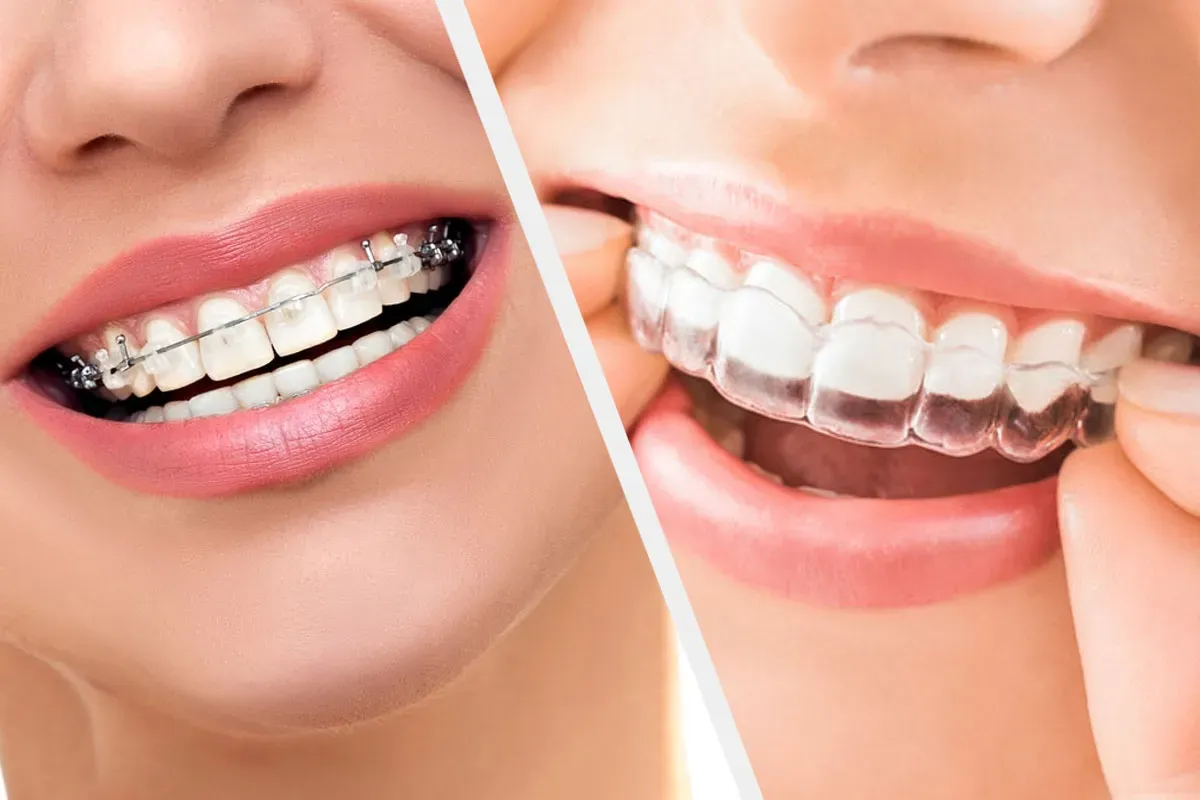
Straightening your teeth is a typical goal for patients of all ages, and there are multiple approaches. Braces use brackets and wires to shift teeth into place, while clear aligners fit over your teeth. When you understand each option, you find it easier to talk with your dentist about your plan. Here is more information about the pros and cons of these two approaches:
Traditional Braces
Traditional braces have been in use for decades. Metal brackets attach to each tooth, and a wire connects them to guide movement. If your teeth need major correction, your dentist may recommend this method for its steady control.
Patients may ask about the daily routine with braces. Since the appliance stays fixed to your teeth, you never worry about forgetting to wear it. You clean around the brackets carefully, and you visit your dentist for regular adjustments. Braces are used to treat complex cases, and they work without any effort to remember.
Pros
Traditional braces handle a wide range of dental issues. They stay on your teeth around the clock, and this constant pressure keeps treatment on track. Since you cannot remove them, the results depend less on daily habits.
- Versatile treatment option for correcting severe orthodontic issues.
- Durable and effective for all age groups, including children and adults.
- Allows precise adjustments for optimal alignment and bite correction.
- Proven track record with decades of successful results in orthodontics.
Cons
Certain foods, like popcorn and hard candy, need to be avoided during treatment. Since the wires sit against your teeth, cleaning takes more time and attention each day. Metal brackets are visible when you smile.
Clear Aligners
Clear aligners are custom trays that fit over your teeth. You swap each tray for a new one every week or two, and this moves your teeth in small steps. When you want a less noticeable option, aligners appeal to many adults and teens. Aligners offer flexibility that braces do not. You remove them to eat, brush, and floss as usual. Keep these points in mind before you decide:
- Wear the trays 22 hours each day
- Remove them only for meals and cleaning
- Store them in a case to avoid loss
- Attend check-ins so your dentist tracks progress
Pros
Clear aligners are nearly invisible during daily wear. You take them out for meals, and cleaning your teeth stays simple. Since the trays are smooth, they cause less irritation than metal brackets for some patients.
They are a practical choice for individuals who want a discreet solution to straightening their teeth. You can enjoy your favorite foods without restrictions, and they can be taken out when needed. While traditional braces require more maintenance, clear aligners simplify your routine.
Cons
Aligners work well, and they are used for mild to moderate cases. Lost trays lead to delays and added time. Since success depends on wearing them enough hours, your daily discipline shapes the outcome directly.
Factors to Look At
Before committing to clear aligners, there are a few key factors worth thinking through. Aligners need to be worn for most of the day, so consider whether you can stick to that routine consistently. Any previous dental work, such as crowns or bridges, could also affect how well aligners fit, so be sure to discuss your dental history.
Schedule a Visit for Braces
Both options move teeth toward better alignment. Your dentist reviews your bite, and together you weigh cost, timeline, and lifestyle. When you know the trade-offs, choosing between braces and aligners feels far more manageable. Book your consultation today to discuss which path fits your smile.
