


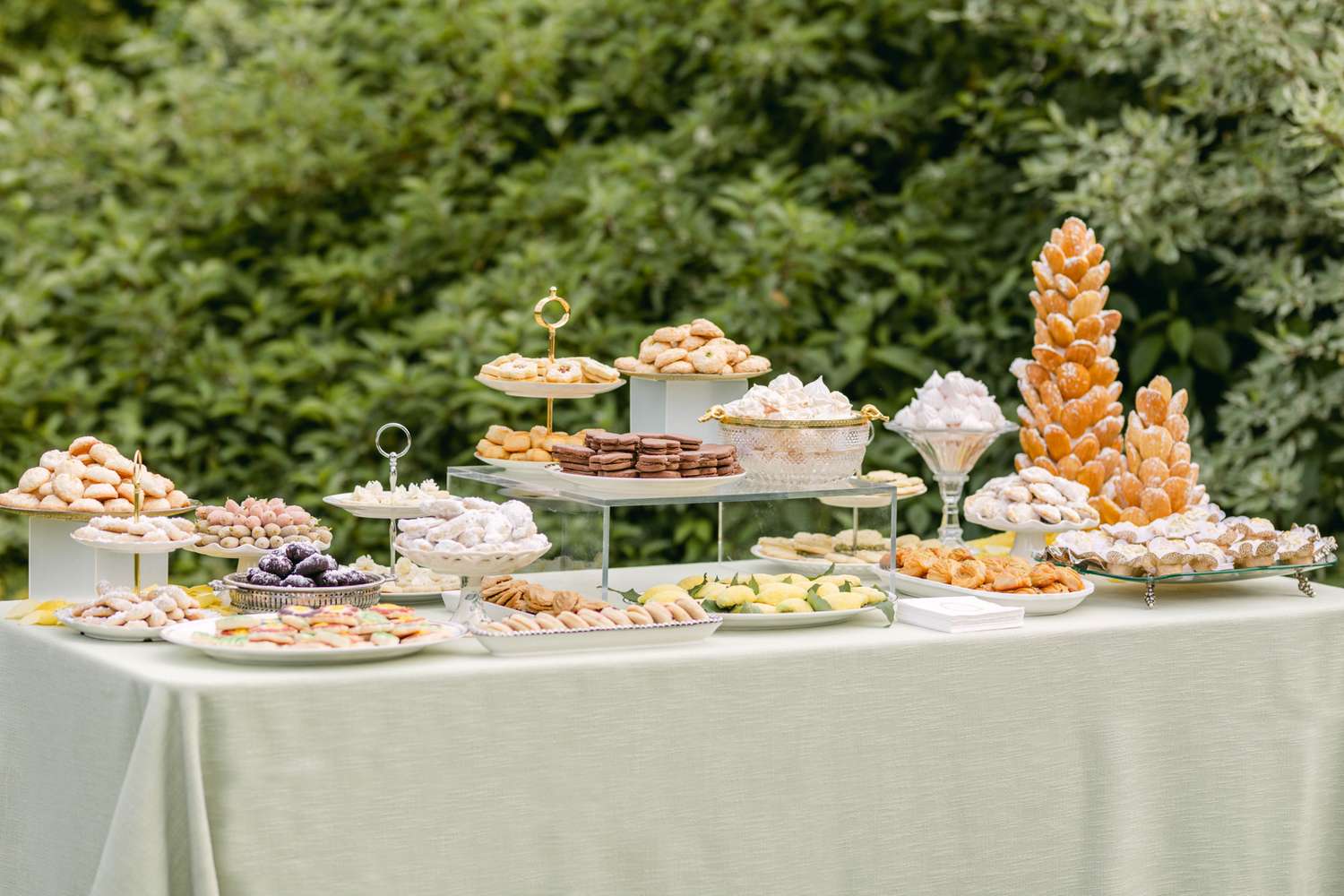
Professional wedding catering involves planning a multi-course meal that flows smoothly from one dish to the next. Guests might enjoy appetizers or welcome drinks before the meal, while palate cleansers offer a refreshing break between richer courses. Evaluate the menu, timing, dietary needs, service, and overall wedding style when selecting dishes, and balance heavier options with lighter ones. Here are a few tips to help you plan a multi-course wedding meal:
Start With the Menu
Planning wedding meals starts with determining how many courses you want to serve. A multi-course wedding meal might include an appetizer, soup or salad, main course, and dessert or small bites. Choose dishes with varied flavors and textures; avoid serving several heavy dishes in succession. Balance the menu by moving from light, crisp starters to richer centerpieces before returning to refreshing flavors.
Use insight from your wedding catering team to coordinate textures and select appropriate palate cleansers. Pair soft foods with crisp garnishes for contrast. Create a cohesive menu by connecting courses through a shared cooking method, regional style, or seasonal ingredient. Let the wedding theme guide your selections; a formal celebration suits elegant plated dishes, while other styles call for different presentations. Family-style meals or buffet setups pair well with more casual wedding themes. Work with your caterer to develop combinations that reflect your preferences while accommodating your guests’ needs.
List All Dietary Needs
Ask guests about dietary restrictions when sending wedding invitations or collecting RSVPs. This information gives the catering team time to prepare suitable alternatives before the wedding day. Include options for common dietary needs, such as vegetarian, gluten-free, or allergy-friendly meals, while following the same course structure whenever possible. Share the final guest list and all dietary information with your caterer before the event so the team has an accurate overview of each guest’s needs.
Balance Portions and Timing
Portion sizes should give guests enough food to enjoy each course without becoming uncomfortably full before the meal ends. Smaller servings work well across several courses, while your caterer can recommend quantities based on the menu, number of courses, and expected guest count. Build enough time between courses for guests to finish eating and transition comfortably into the next part of the celebration.
Coordinate meal service with the wedding timeline, including speeches, dances, cake cutting, and other scheduled activities. Serving courses during natural breaks keeps these events from competing with dinner and allows guests to focus on one activity at a time. Keep entrée selections streamlined as well, since fewer choices simplify preparation, plating, and table service. Provide the kitchen with the final meal selections and guest counts before the event so staff has accurate information when preparing each course.
Speak to a Wedding Catering Team
The menu, courses, and service style directly affect how people experience your wedding. Working with an experienced catering team gives you access to all-inclusive service and a variety of menu options that match your style. The caterer handles food, staffing, setup, and cleanup, so you can focus on the celebration. Consult a wedding catering team today to start planning your meals.
