


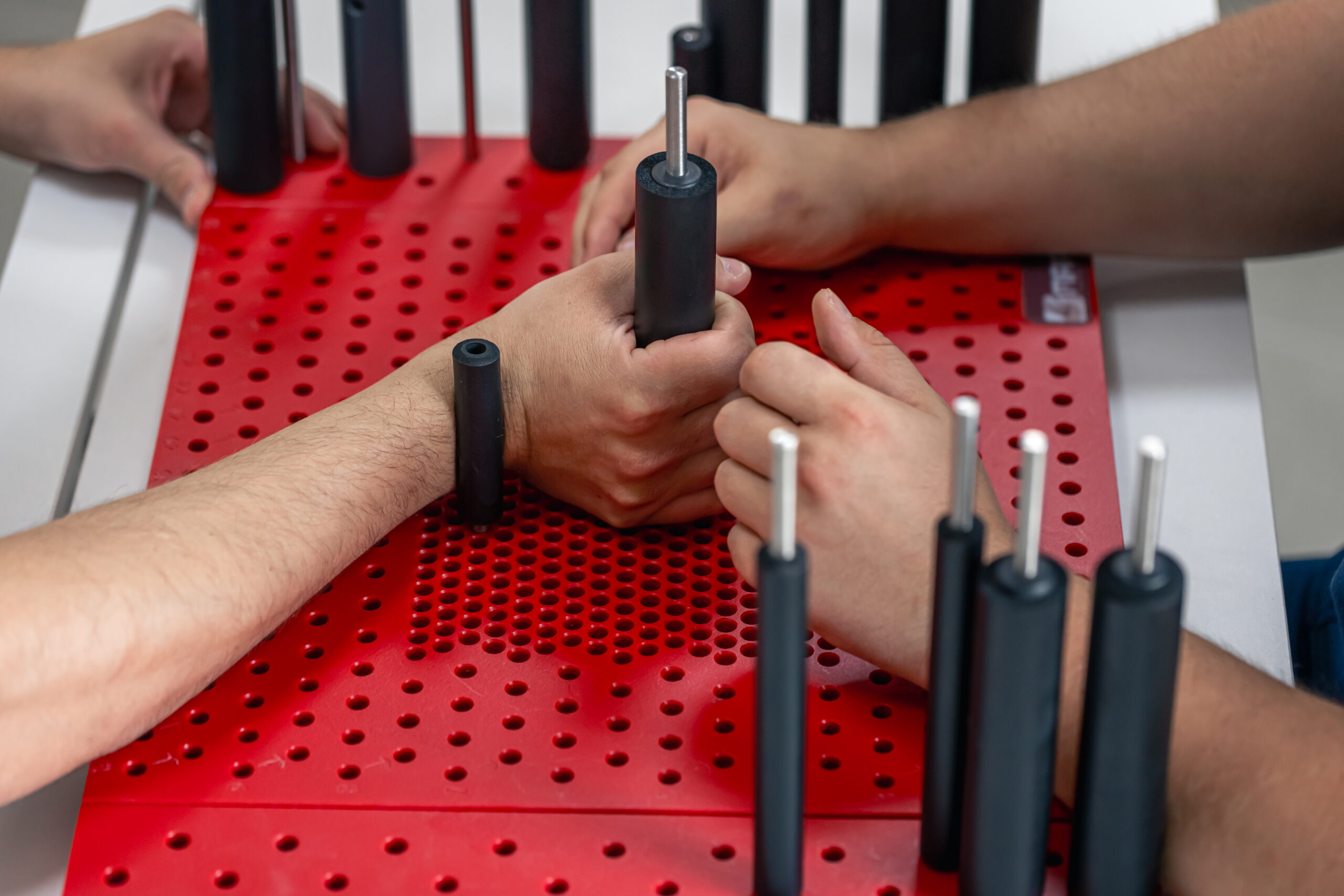
Custom rubber molding shapes raw materials into precise parts for demanding applications. You need components that fit exact specifications, and molding delivers that precision. Manufacturers work across industries like automotive, appliance, and solar, so your project finds support wherever it fits. Since understanding these basics helps you plan your next project, discuss your options.
Material Selection Options
Natural rubber offers strong elasticity, and it resists abrasion well. Material selection shapes the performance of every rubber molding part. It works well for parts that flex often, and it maintains its shape under repeated stress. Neoprene handles weather and oil exposure, so it suits outdoor and industrial components. It also resists flame, which adds value in demanding settings. Nitrile provides fuel and oil resistance, and it performs reliably in sealing applications. Because it holds up against petroleum products, it fits gaskets, O-rings, and hoses. Viton withstands high temperatures, and it holds up against harsh chemicals, which makes it valuable for extreme environments.
It keeps its properties in heat that would degrade other materials, so it suits aggressive applications. EPDM resists heat, ozone, and water, and it performs well in outdoor systems exposed to sunlight. It serves weather seals and cooling components with dependable results. Since SBR balances durability and cost, it fits general-purpose parts. Manufacturers often recommend it for high-volume runs. When you match the material to your operating conditions, you improve part life and you reduce the risk of premature failure. A clear understanding of these options helps you choose.
Industry Applications Overview
Since different sectors rely on custom rubber molding for specific needs, you can order for your specific project. Automotive companies use molded seals, gaskets, and vibration dampers. These parts reduce noise, and they protect systems from leaks and wear. Appliance makers need durable components, so they order parts that resist heat and wear. Because appliances run for years, reliable seals and mounts keep products working longer. Some projects demand tight tolerances, and they often require materials rated for extreme conditions. When failure is not an option, careful material selection protects both equipment and personnel. Solar installations use weather-resistant seals that endure sun, rain, and temperature swings. These seals guard sensitive components, so systems keep producing energy over time. Consumer products depend on molded parts for daily function, so one manufacturer can serve many markets.
Molding Process Methods
Three common methods each suit different needs:
- Compression molding: presses material into a heated cavity; it suits large parts and low-volume runs, so it keeps tooling costs down.
- Injection molding: forces material into a mold and supports complex geometries at scale; it fills cavities quickly, so it works well for high-volume production.
- Transfer molding suits parts with inserts, so it works well when you combine rubber with metal; it handles detailed shapes with good precision.
Curing time affects your schedule, and temperature control shapes the final properties of each part. Each method carries tradeoffs in cost, speed, and detail, and skilled teams match the process to your specifications. Reviewing production volume, part complexity, and budget together narrows your options quickly. Understanding these choices helps you communicate your needs while keeping your project on schedule.
Order Rubber Molding Today
Custom rubber molding connects the right material, process, and industry standard. You choose materials like Neoprene, Nitrile, or Viton based on your application. You select a process that balances detail, and an experienced team helps you refine those decisions. Reach out to discuss your specifications while planning your next molded component today.
