


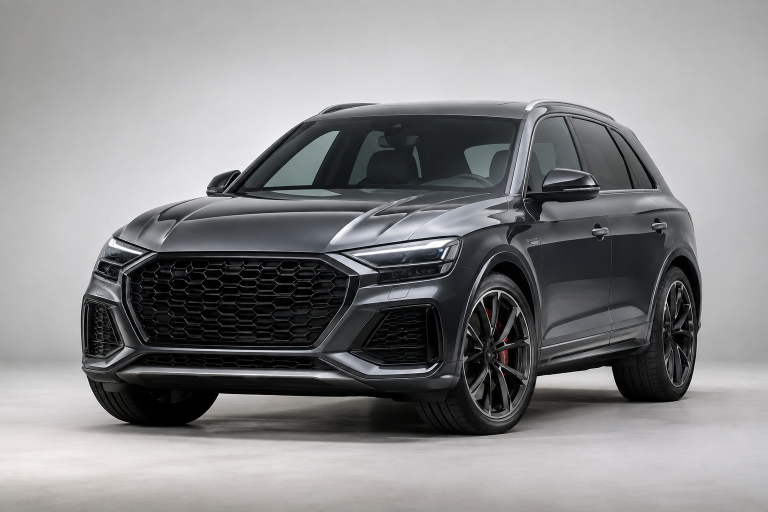
Why Daily Use Matters In Denver
For drivers in Denver, Colorado, considering a performance SUV, the decision should extend beyond acceleration figures and exterior styling. A performance SUV Lamborghini dealership Denver may need to handle downtown congestion, tight parking structures, interstate traffic, uneven pavement, and trips toward the foothills with equal confidence. Daily driving reveals qualities that a short walkaround cannot. A firm suspension can feel engaging on a clear road but tiring during a long commute. Large wheels can enhance appearance and steering response, yet they also affect tire replacement costs and ride quality. The strongest choice is one that remains composed and convenient through an ordinary Colorado week.
Set Your Priorities Before Comparing SUVs
Start by identifying how the SUV will actually be used. Someone commuting from the Denver suburbs, carrying children or clients, and taking ski or hiking gear into the mountains will likely have different needs from someone seeking a second vehicle for weekend drives.
- Driving character: Decide whether responsive handling or a softer ride matters more.
- All-weather confidence: Review all-wheel drive, traction systems, ground clearance, and tire choices for Denver’s variable conditions.
- Passenger room: Check rear-seat legroom, headroom, and ease of entry.
- Cargo flexibility: Consider luggage, pets, outdoor equipment, and grocery runs.
- Simple technology: Look for controls that are easy to use without excessive screen time.
- Running costs: Account for fuel, insurance, tires, maintenance, and registration in Colorado.
Ranking these factors before shopping can prevent a fast, stylish SUV from winning solely on its first impression.
Compare Performance In Real-World Driving
Horsepower is useful, but it does not fully explain how an SUV feels in Denver traffic or on a climb west of town toward the Rocky Mountains. Weight, transmission tuning, brake feel, steering calibration, suspension design, and tire grip all influence the experience. Denver’s higher elevation can also affect how some gasoline-powered vehicles perform, making a real drive especially valuable. During a comparison, focus on practical responses. Notice how smoothly the SUV pulls away from a stop, how naturally it accelerates into highway traffic, and whether the transmission feels calm in stop-and-go conditions. Also, listen for road noise and test how easy the brakes are to modulate in a crowded Denver parking lot.
Check Comfort, Visibility, And Space
Premium materials are appealing, but daily luxury is often defined by seating comfort, visibility, and thoughtful storage. Spend enough time in the driver’s seat to assess lower-back support, headroom, and whether the steering wheel and controls adjust easily.
Cabin Details That Matter
- Clear sight lines around front pillars and rear corners.
- Useful camera views for garages and parallel parking.
- Climate controls that are easy to adjust while driving.
- Rear seats that adults can use comfortably.
- Cargo access that works when hands are full.
Denver drivers should also think about seasonal use. Bulky jackets, boots, and outdoor gear for mountain trips can make a cabin that seems spacious in a showroom feel smaller in real life.
Review Powertrain Options
Gasoline, hybrid, plug-in hybrid, and electric SUVs each create a different ownership experience. Gasoline models offer familiar refueling and broad flexibility for road trips from Denver to the mountains. Hybrids can reduce fuel use in city driving, while plug-in hybrids make the most sense when regular charging is convenient. Electric SUVs provide quiet operation and immediate low-speed response, but they require realistic planning for home charging and longer journeys between Denver and mountain destinations. Compare efficiency based on the exact trim, drivetrain, and wheel setup rather than relying on a brand-wide reputation. The fuel-economy information used on new-vehicle labels can help shoppers understand how official estimates are presented. Cold temperatures, steep routes like those around Denver and the Front Range, cargo, speed, and accessories can all influence real-world energy use.
Look Closely At Safety
Safety deserves the same careful review as performance. Check the specific model year and body style, because equipment and ratings can differ between versions. Useful features may include automatic emergency braking, blind-spot monitoring, rear cross-traffic alerts, adaptive cruise control, and rear automatic braking. Shoppers can use vehicle safety ratings, which evaluate crash protection and crash avoidance, to compare models more carefully. Test the alerts during a drive when possible, since safety technology is most helpful when its warnings are clear and predictable.
Estimate Ownership Costs
The purchase price is only one part of the budget. Performance-oriented SUVs may use premium fuel, larger tires, specialized brake components, or higher insurance coverage. Before deciding, estimate the monthly payment, fuel or charging expense, insurance premium, scheduled service, tire replacement, taxes, and likely resale value in the Colorado market. Ask about warranty coverage, roadside assistance, service intervals, and local Denver technician availability. Those details can have a meaningful effect on ownership convenience in the years after delivery.
Take A Smart Test Drive
A useful test drive should reflect a normal Denver day rather than a quick loop around a dealership. Adjust the seat, mirrors, steering wheel, and displays before leaving. Then include Denver city streets, a highway merge, moderate turns, braking in traffic, and a tight parking space. If the route allows it, an uphill section toward the foothills can help reveal throttle response, transmission behavior, and visibility. Before returning, sit in the second row, open the cargo area, and try the technology you expect to use most. A performance SUV should feel special, but it should also make daily routines in Denver easier.
Common Questions
Is more horsepower always better for Denver driving?
No. Strong power can be useful for merging and climbing Denver’s mountain routes, but a balanced SUV with predictable brakes, good traction, and comfortable suspension may be the better everyday choice.
Should all-wheel drive be a priority?
It can be valuable for Denver drivers who regularly encounter snow, wet roads, or mountain routes. Tires and driver behavior remain important parts of overall traction.
How important is a longer test drive?
It is essential. A longer drive can reveal cabin noise, ride comfort, visibility concerns, awkward controls, and parking challenges that specifications cannot show.
Final Thoughts
The right performance SUV for Denver, Colorado, should deliver confident power without sacrificing comfort, safety, cargo utility, and manageable ownership costs. Buyers should consider how the SUV performs across different driving situations, from daily commuting and city traffic to highway travel, winter weather, steep grades, and mountain roads. Features such as all-wheel drive, ground clearance, braking performance, tire options, driver-assistance technology, and cargo space can make a meaningful difference depending on how the vehicle will be used. It is also important to consider fuel economy, insurance, maintenance, tire replacement, and potential repair costs before making a decision. A thoughtful test drive and comparison of similar models can help identify the right balance of performance and practicality. Ultimately, choose the SUV that fits both the mountain-bound weekend and the ordinary weekday commute through the Denver area.
