


Skin conditions vary in cause, appearance, and the type of care they require. Changes involving irritation, acne, redness, clogged pores, or other skin concerns are able to require professional evaluation. A dermatology provider can assess the skin and discuss appropriate treatment or aesthetic services based on individual findings. Here is more information about identifying symptoms of skin infections:
Recognizing Fungal Skin Changes
A fungal skin infection may appear in warm or moist areas of the body. Symptoms are able to include redness, itching, scaling, or a ring-shaped rash with a clearer center. Ringworm, athlete’s foot, and jock itch are examples of fungal infections that affect different areas of the skin.
Affected skin may also become flaky, cracked, or peeling depending on the type and location of the infection. Similar symptoms occur with other skin conditions, so appearance alone does not establish the cause. A dermatology provider can evaluate the affected area and discuss appropriate testing or treatment options.
Recognizing Viral Skin Changes
Viral skin infections may produce different patterns depending on the virus involved. Herpes simplex are able to appear as grouped, fluid-filled blisters that later crust as the affected skin changes. A dermatology provider can evaluate these symptoms and distinguish them from other skin conditions.
Shingles may involve a blistering rash that develops along one area of the body. Some people experience tingling, sensitivity, or discomfort in the affected area. Symptoms and appearance vary among individuals, so a professional evaluation helps determine the nature of the skin changes.
Warts are associated with certain types of human papillomavirus, while molluscum contagiosum produces small skin growths. These conditions have different appearances and characteristics. A dermatology provider can examine unusual bumps, blisters, or other skin changes and discuss appropriate treatment options.
Recognizing Parasitic Skin Changes
Parasitic skin conditions may produce itching, bumps, irritation, or other visible changes. Scabies is associated with microscopic mites and are able to involve itching or small burrow-like lines on affected skin. Symptoms often appear in areas such as the fingers, wrists, or waist, although presentation varies among individuals.
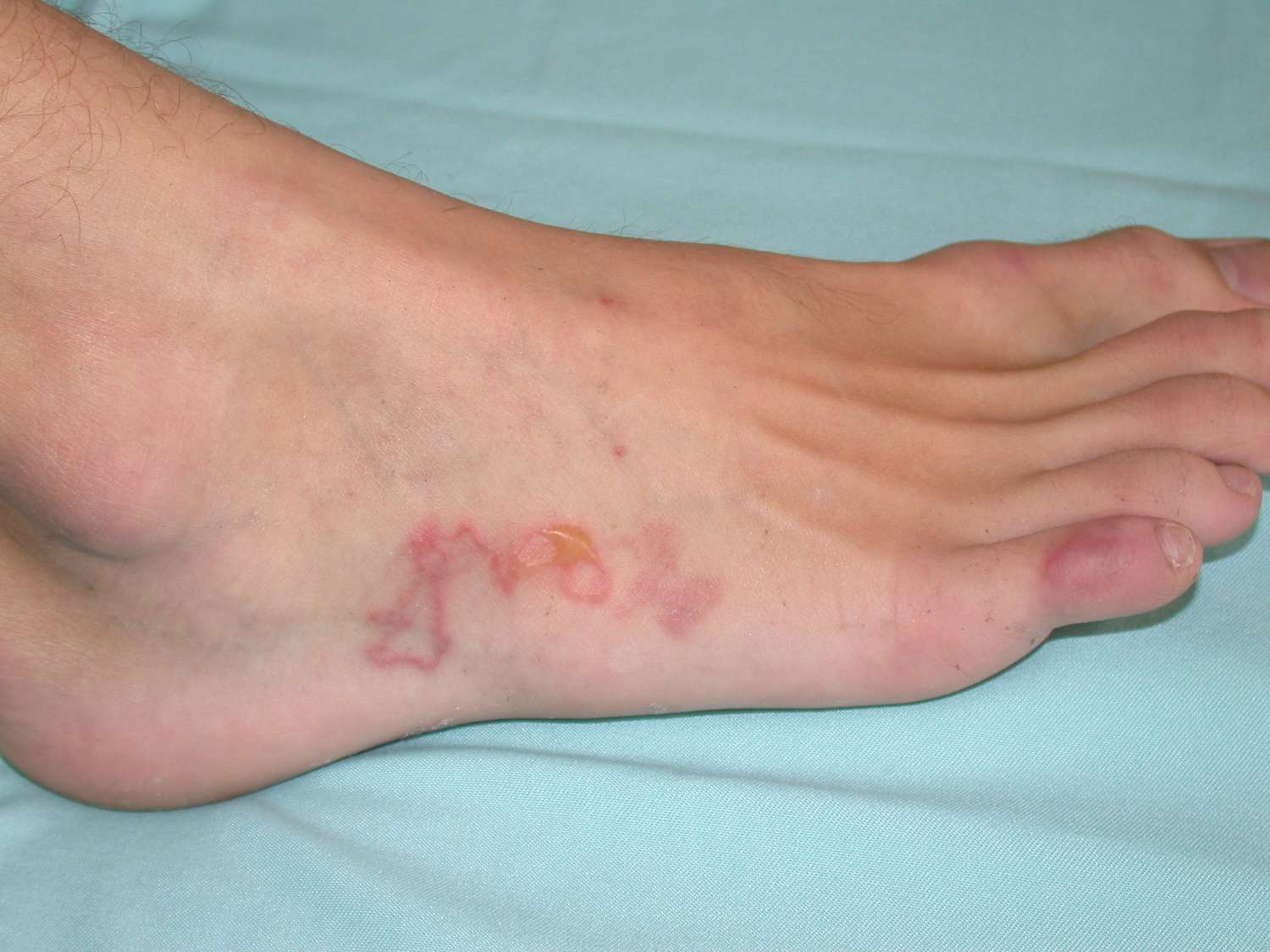
Lice is able to cause itching and small skin changes on the scalp or body, while scratching may contribute to additional irritation. Cutaneous larva migrans is associated with hookworm larvae and are able to appear as a raised, winding skin pattern. A dermatology provider can evaluate these symptoms and discuss appropriate testing or treatment based on individual findings.
Warning Signs Requiring Medical Attention
Certain skin changes and accompanying symptoms warrant medical evaluation, particularly when they develop quickly or worsen over time. A healthcare provider can examine the affected area and determine whether further testing or treatment is appropriate. Signs to discuss with a medical provider include:
- Noticing spreading redness: Redness or streaking that extends beyond the original affected area requires evaluation.
- Developing a fever: Fever occurring alongside skin changes may indicate a condition requiring medical attention.
- Experiencing increasing pain: Pain that becomes more noticeable or continues despite treatment warrants further evaluation.
- Observing tissue changes: Darkened, discolored, or otherwise unusual-looking tissue requires prompt medical assessment.
- Developing swollen lymph nodes: Enlarged lymph nodes near the affected area may accompany certain infections.
- Experiencing delayed healing: Wounds or skin changes that do not improve over time warrant professional evaluation.
Symptoms vary depending on the underlying condition, and similar changes are able to occur with different skin concerns. A healthcare provider can evaluate the symptoms and recommend appropriate next steps.
Schedule Your Skin Infection Consultation
Skin infections vary in appearance and symptoms depending on their underlying cause. Bacterial, fungal, viral, and parasitic conditions sometimes involve changes such as redness, scaling, blisters, growths, or itching. A dermatology provider can evaluate skin changes and discuss appropriate testing or treatment based on individual findings. Schedule an appointment with a dermatologist to receive a professional evaluation of new, persistent, or changing skin concerns.
