


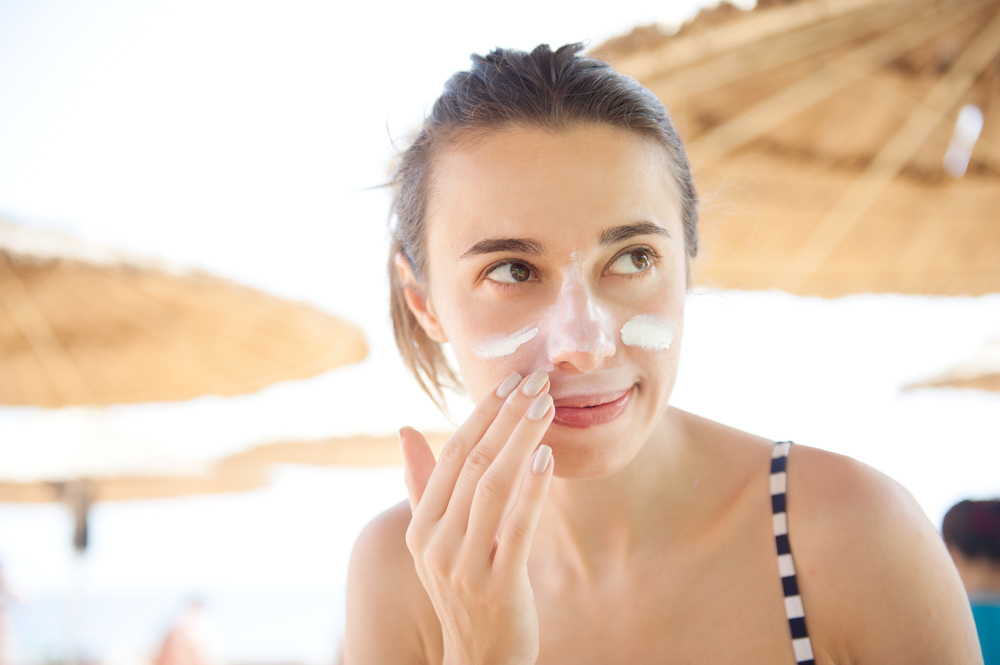
Sunlight exposes your skin to ultraviolet radiation every day. Sunscreen blocks much of this radiation, and it protects skin over time. Regular use lowers your risk of damage, but the benefits extend further when you apply it daily and correctly.
Skin Cancer Protection Facts
Skin cancer is a common cancer in the United States, and it affects one in five Americans over a lifetime. Ultraviolet radiation damages skin cells, possibly leading to cancerous growths over time. Sunscreen reduces exposure; consistent use limits harm that accumulates from years of sun contact. Applying a broad-spectrum SPF 30 or higher each morning gives your skin a defense. Reapply every two hours when outdoors, and do not skip it on cloudy days. UV rays can penetrate clouds.
Early detection matters, as screenings identify concerns before they advance. Treatments address them at the right stages. A personal or family history of skin cancer makes routine checks necessary. Options include Mohs surgery for complex or large growths, excisional surgery for defined growths, and cryosurgery for smaller lesions. Protecting your skin now reduces the likelihood of needing these treatments later, so do not delay changes.
Wrinkle Prevention Strategies
Ultraviolet exposure breaks down collagen in your skin, and this process begins earlier than most people expect. This breakdown produces fine lines and premature wrinkles. Sunscreen slows this process, and daily use supports firmer skin as you age. Protecting skin early reduces visible aging, while preserving texture that sun damage would otherwise weaken. Sun-related aging often shows up on areas with the most exposure: your face, neck, and hands, so apply sunscreen to all exposed skin, not just your face. Some treatments can address existing wrinkles, but consistent sunscreen use takes less effort and expense than managing damage after it appears. Make it a daily habit, and your skin will reflect that care over time.
Mole Monitoring Tips
Moles can change when exposed to ultraviolet radiation, and those changes are worth understanding. Sunscreen limits this exposure and helps keep existing moles stable. New or shifting moles sometimes signal deeper concerns, and monitoring them allows timely evaluation. Check your skin regularly and report changes to your provider promptly. When a mole looks suspicious, a specialist examines it, and further steps follow only if results require action. Sunscreen alone cannot eliminate all mole-related risk. It reduces one of the most consistent triggers for cellular change. Pairing daily sun protection with professional screenings gives you the most complete approach, since you are both monitoring your skin. Use the ABCDE rule as your guide when checking moles:
- Asymmetry: One half of the mole does not match the other half in shape.
- Border: Edges are irregular, ragged, or poorly defined.
- Color: Uneven coloring, including shades of brown, black, red, or white.
- Diameter: The mole is larger than 6 millimeters, about the size of a pencil eraser.
- Evolution: Any change in size, shape, color, or new symptoms such as bleeding.
Wear Sunscreen Today
Sunscreen forms one part of complete skin protection, since there are multiple steps. Daily use guards against cancer, wrinkles, and mole changes, and professional care completes the plan. Book a skin check by calling the office nearest to you today.
