


A root canal treats a tooth when the soft tissue inside becomes inflamed or infected. This tissue, called the pulp, contains nerves and blood vessels and helps the tooth develop as it grows. More than 15 million teeth are treated and saved each year with root canal treatment, which removes the damaged pulp and preserves the natural tooth.
What a Root Canal Treats
A root canal repairs a tooth with an infected or inflamed interior chamber. The pulp sits beneath the enamel and a hard layer called dentin, and it extends from the crown of the tooth to the tips of the roots. Deep decay, repeated dental procedures, a crack, or an injury to the tooth all damage the pulp. Each of these problems requires attention before the condition worsens. Once a tooth matures fully, it survives without the pulp because surrounding tissues continue to nourish it.
Signs That Signal Treatment
Certain symptoms suggest pulp inflammation or infection. A diagnostic exam confirms the condition, and treatment follows once the tooth is examined. Untreated inflammation or infection leads to pain or an abscess, so recognizing the warning signs is helpful; early treatment helps save the tooth. Common signs include:
- Severe pain while chewing or biting
- Pimple-like sores on the gums
- A chipped or cracked tooth
- Lingering sensitivity to hot or cold
- Swollen or tender gums
- Deep decay or darkening of the tooth or gums
Steps in the Root Canal
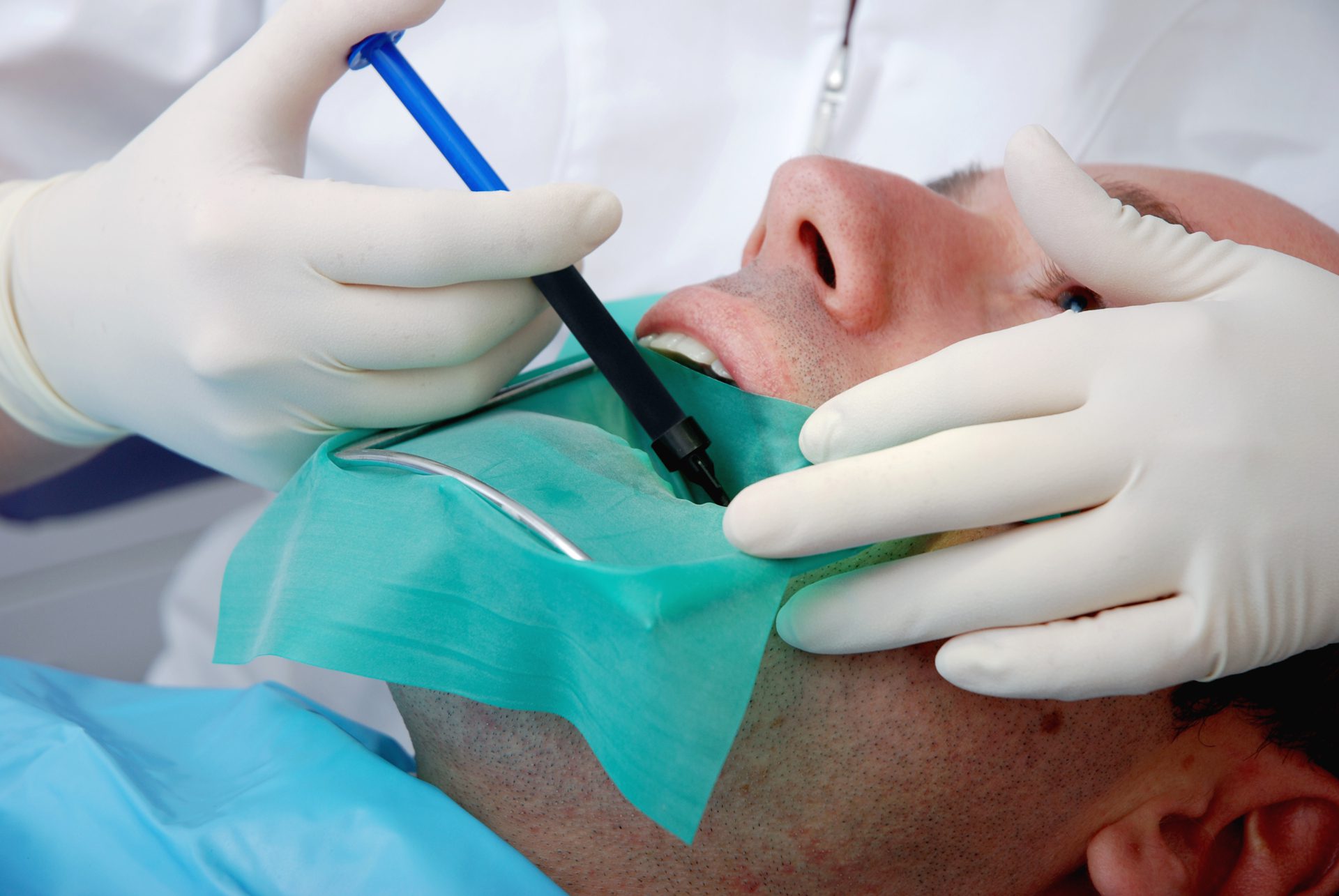
Treatment begins with an exam and a radiograph, and the dentist then administers local anesthetic to numb the tooth. A small protective sheet called a dental dam isolates the area, and it keeps the tooth clean during the work. The dentist creates an opening in the crown, and slim instruments called files remove the pulp from the chamber and root canals while shaping the space.
After cleaning, the dentist fills it with a biocompatible material called gutta-percha, which is set with an adhesive cement to seal the space completely. A temporary or small filling closes the access hole. Treatment finishes in one or two visits, and each appointment lasts roughly 90 minutes.
Restoring the Treated Tooth
A crown or other restoration protects the tooth after the pulp is removed. An unrestored tooth is susceptible to fracture, so the patient returns to the dentist for a full restoration as soon as possible. This step returns the tooth to normal function. Teeth toward the back of the mouth, such as molars and premolars, handle chewing and generally require crowns, while incisors and canines do not always need them.
If the tooth lacks enough structure to hold the restoration, the dentist places a post inside the tooth. After restoration, the tooth functions like any other tooth, and most treated teeth last as long as natural teeth. A root canal does not kill the tooth, though it removes nerves that serve little function once the tooth is fully formed.
Schedule Your Diagnostic Exam
A root canal saves a tooth that inflammation or infection would otherwise damage, and treatment relieves pain caused by pulp damage. Endodontic treatment and restoration cost less than extracting the tooth and replacing it with an implant or bridge. If you notice pain, sensitivity, or swelling, book a diagnostic exam and have the tooth evaluated before the condition worsens. Practicing good oral hygiene through brushing, flossing, and regular checkups helps keep the treated tooth healthy.
