


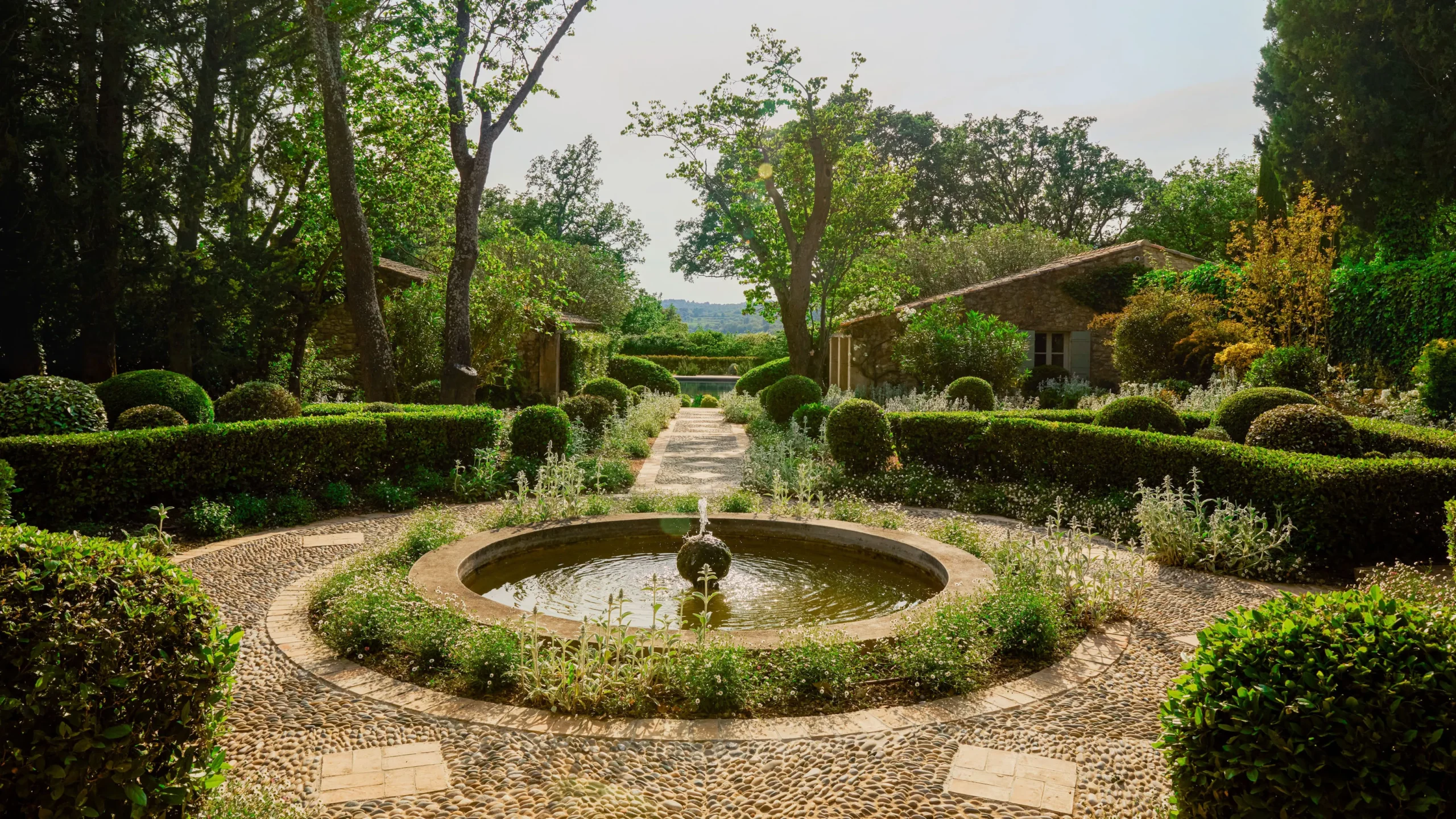
Hardscaping allows you to add solid, non-living features, such as stone surfaces and boundary walls, to an outdoor space. These installations often improve your property’s visual appeal and functionality, and they help shape how people interact with the space. Aligning these features with your landscaping themes and patterns can create a more cohesive outdoor area. Here are a few creative hardscaping layouts for enhanced outdoor experiences:
Designing Custom Travertine Patios
Travertine is a hardscaping material that gives patios a distinctive look. The installation process often begins with an evaluation of the outdoor space. Teams visit the property to measure the yard and discuss the desired layout, and they identify site-specific requirements. You can position patios to connect indoor and outdoor living, allowing you to assign specific purposes to each zone.
During the planning stage, designers create 3D renderings to show what the proposed patio will look like when completed. The team also prepares customized blueprints that outline the dimensions and guide the installation; you review and approve these designs before construction begins. Installers can then tailor the patio’s layout to its intended use. The work may include preparing the site, placing the travertine, and coordinating the installation with existing irrigation and sprinkler systems.
To install a custom travertine patio near a garden, technicians map existing underground sprinkler lines before excavation begins. They can also adjust the patio boundaries to accommodate routine property maintenance and protect nearby landscaping. This approach helps preserve adjacent greenery while creating a stable and functional outdoor seating area.
Planning Unique Hardscape Walkways
Walkways help connect different sections of your outdoor space. Design teams can adjust the layout to suit your yard’s terrain, creating a practical route across the property. They prepare detailed blueprints, which account for site conditions, dimensions, drainage, and other factors. Material selection also influences the walkway’s appearance and function.
Installing Functional Driveways
Paved driveways can impact how visitors perceive a property. A well-planned hardscape helps improve curb appeal by framing the route to the house. You may explore options such as sculpted flower beds, garden features, and water elements to add texture and visual interest along these routes. Coordinating the driveway and walkways with the surrounding hardscape also creates a more cohesive appearance.
These custom features help add visual appeal to a more structural and practical part of the property. Planners can shape the driveway to follow your property’s curves and boundaries. Crews also align the driveway edges with existing maintenance routines, leaving enough space for future landscaping work. A driveway on a large estate may follow a wide curve toward the main entrance; this design helps provide space for vehicles to turn while complementing the surrounding hardscape and planted areas.
Creating Outdoor Fireplaces
Outdoor fire features sometimes serve as focal points within a hardscape while providing light and warmth for outdoor areas. The design team assesses the space to identify a suitable location, and they determine how the feature can be integrated with the surrounding landscape. They then prepare plans that allow you to review the feature’s proposed size, placement, and overall design. Structural factors may involve:
- Ventilation
- Heat-resistant or fire-rated materials
- Required clearances from nearby structures
- A stable foundation or base
During installation, construction teams assemble the appropriate materials and components. Depending on the design, they may install a custom gas burner or wood-burning basin before completing the surrounding structure and finishes. Finishing details often complement the existing hardscape, such as using brick that coordinates with nearby walkways or patios.
Hire Reliable Hardscaping Services
Custom patios, walkways, driveways, and fire features help define your property and shape how people use the space. Some companies also provide routine upkeep for outdoor areas; this may include addressing irrigation problems that affect surrounding gardens and landscaping. Consulting with a professional lets you communicate your expectations, which allows the team to integrate your preferences into the final design. Contact a hardscaping professional to review your property’s layout and discuss suitable hardscaping options.
