


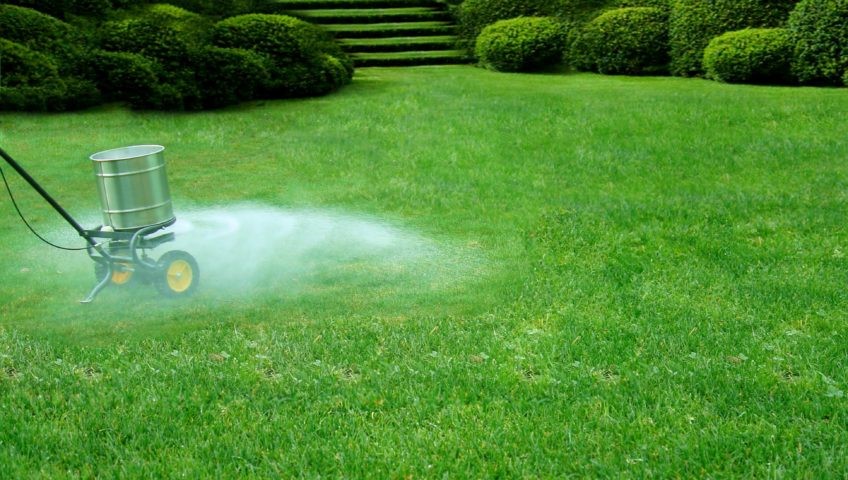
If your lawn has yellow patches, thinning grass, or persistent weeds, the cause may be more than just a watering issue. Grass needs suitable nutrients and protection from pests to maintain steady growth. A lawn fertilizer service helps address nutrient deficiencies through appropriate products and scheduled applications. Here are a few ways to understand your lawn’s needs and find suitable professional care:
Identify Nutrient Needs
When grass loses its green color, fertilizer seems like the obvious solution, but yellow blades often indicate other problems. Poor drainage and unsuitable soil pH interfere with root function and nutrient uptake; adding fertilizer without identifying the cause wastes time and resources. A soil test measures nutrient levels and soil acidity, helping you identify deficiencies and determine which nutrients your lawn needs. These results guide fertilizer selection and reduce guesswork.
Fertilizers come in mineral-based and organic formulations, and the right choice depends on soil conditions and your grass’s nutritional needs. Application timing also matters because nutrient uptake varies throughout the growing season, while fertilizing during dormancy often delivers limited benefits. A lawn fertilizer service uses soil test results to select appropriate products and establish a treatment schedule that aligns with your grass type, local climate, and growth cycle.
Improve Soil Conditions
Dense soil restricts the movement of air and water, limiting what reaches the grass roots. A lawn assessment helps identify the treatment your yard needs, including:
- Core Aeration: Relieves compaction by removing small plugs of soil.
- Thatch Management: Addresses excessive organic material between grass and soil.
- Water Absorption: Identifies areas where compacted ground limits water penetration.
- Treatment Timing: Matches aeration to your grass type and growing season.
Control Weeds and Pests
Weeds compete with grass for sunlight, water, and nutrients, and their spread often leaves bare or thin patches across the lawn. Dandelions and other broadleaf weeds require different treatments from grassy weeds such as crabgrass, so identifying the weed is key before choosing a control method. Pre-emergent herbicides target crabgrass before its seeds germinate; post-emergent products control weeds after they emerge.
Grubs damage lawns by feeding on grass roots beneath the soil surface, which weakens the turf and prevents it from absorbing water and nutrients effectively. When root damage becomes severe, affected grass lifts easily from the soil, providing a clue that grubs are present. A lawn care professional inspects the damaged areas and assesses whether grubs or another underlying problem is responsible. Professional lawn care programs address insect problems through targeted treatments, which focus on identified pests and help limit unnecessary pesticide use.
Recognize Lawn Diseases
Brown patches do not always indicate dry soil or nutrient deficiencies, because fungal diseases and other lawn problems also cause discoloration. Different diseases produce distinct patterns: dollar spot creates small, circular patches, while other fungal diseases cause larger areas of damaged turf. Recognizing these patterns helps distinguish fungal infections from insect damage and environmental stress. Watering practices also influence lawn disease development, especially when grass remains wet for extended periods. Frequent watering late in the day and prolonged moisture on grass blades create conditions that favor certain fungal diseases, so adjusting irrigation helps reduce disease pressure. A lawn care specialist will examine the affected areas, identify the likely cause, and recommend an appropriate treatment plan.
Schedule Your Lawn Fertilizer Service
When dealing with a recurring problem, your lawn’s history can offer helpful hints for your professional lawn care specialist. Maintain records of watering history, past treatments, and when damaged areas were observed. Share those observations during an assessment, particularly if the same patches return each season. Call a lawn care expert today to schedule an inspection and discuss a lawn fertilizer service that meets your lawn’s needs.
